MONTECASSINO
Length: 5 kilometres
Elevation gain: 240 metres
Time: One hour, without stopping
Parking: Car park next to the Polish World War II Cemetery, Montecassino. Coordinates: 41.492114, 13.809191. What3words: ///twig.sides.plastic
Best time to go: Anytime
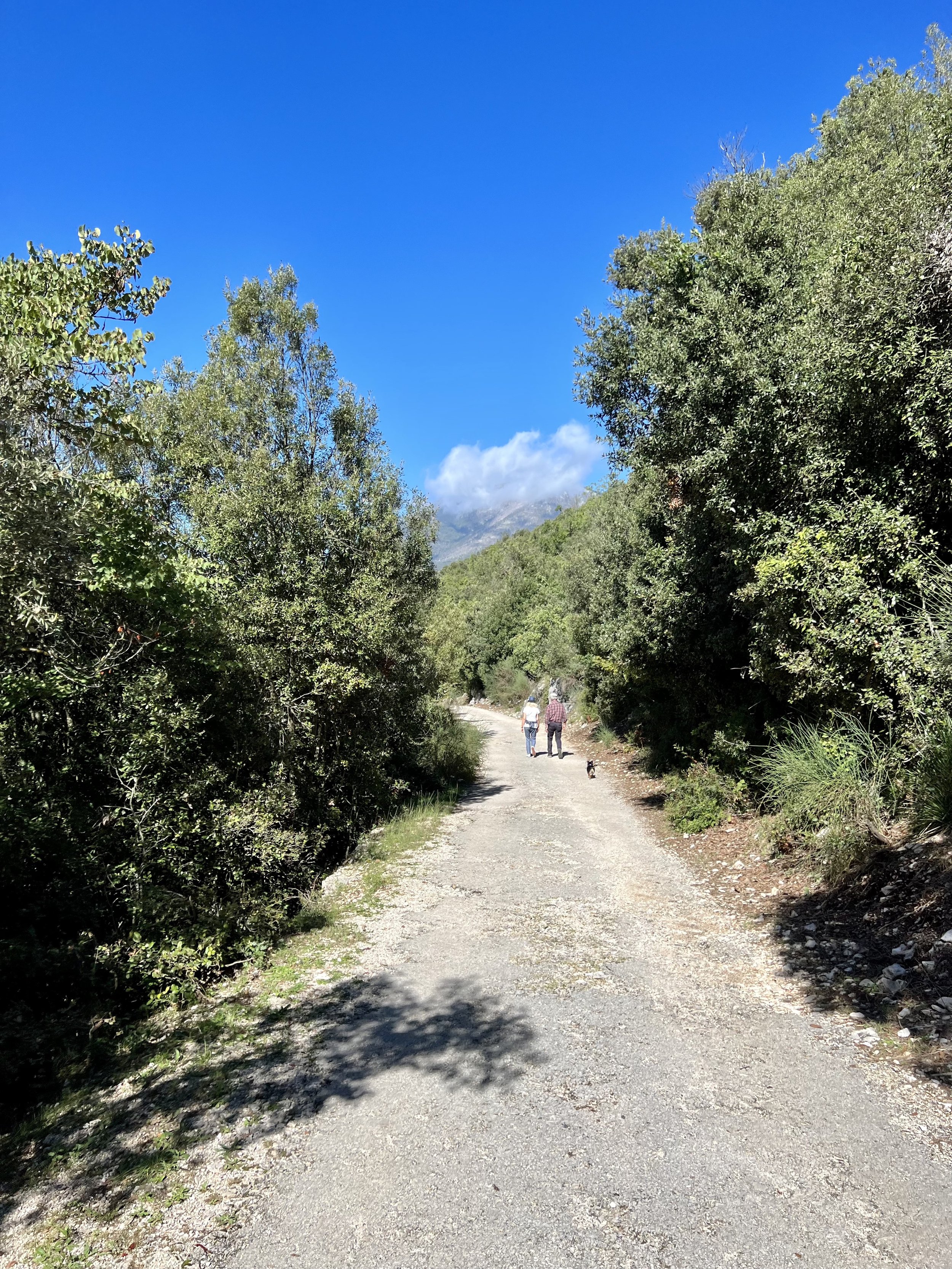
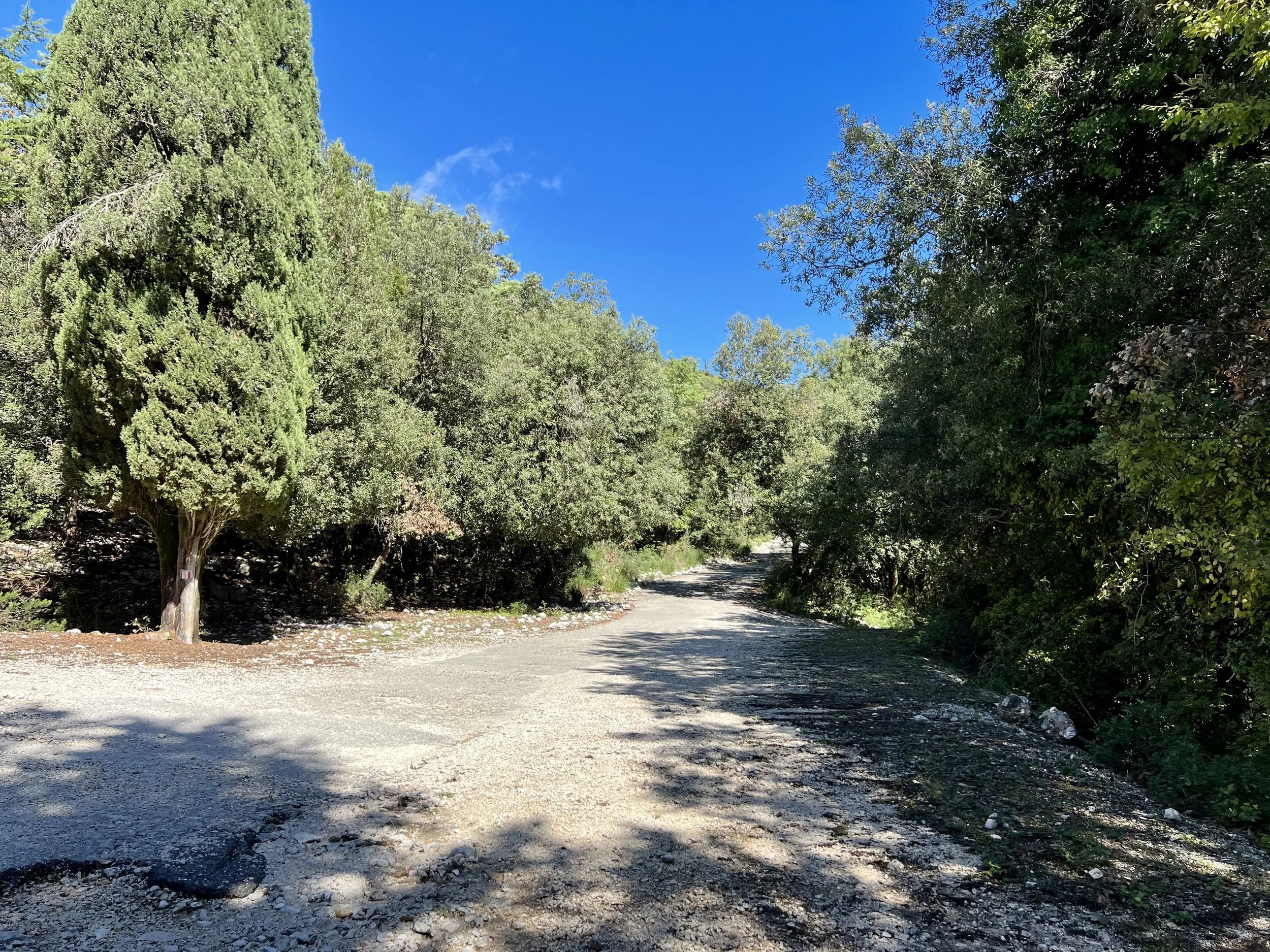
Terrain: A wide concrete path which has been patched in areas; some rocky single track which requires more care
Level: Easy. This route is ideal for families with children
Suitable for children: Yes, the path between the car park and the obelisk, and the car park and the brewery is suitable for buggies
Suitable for dogs: Yes, but recommended to keep on a lead as there are sheep
Montecassino: an educational trail leading through battlefields with a tragic history
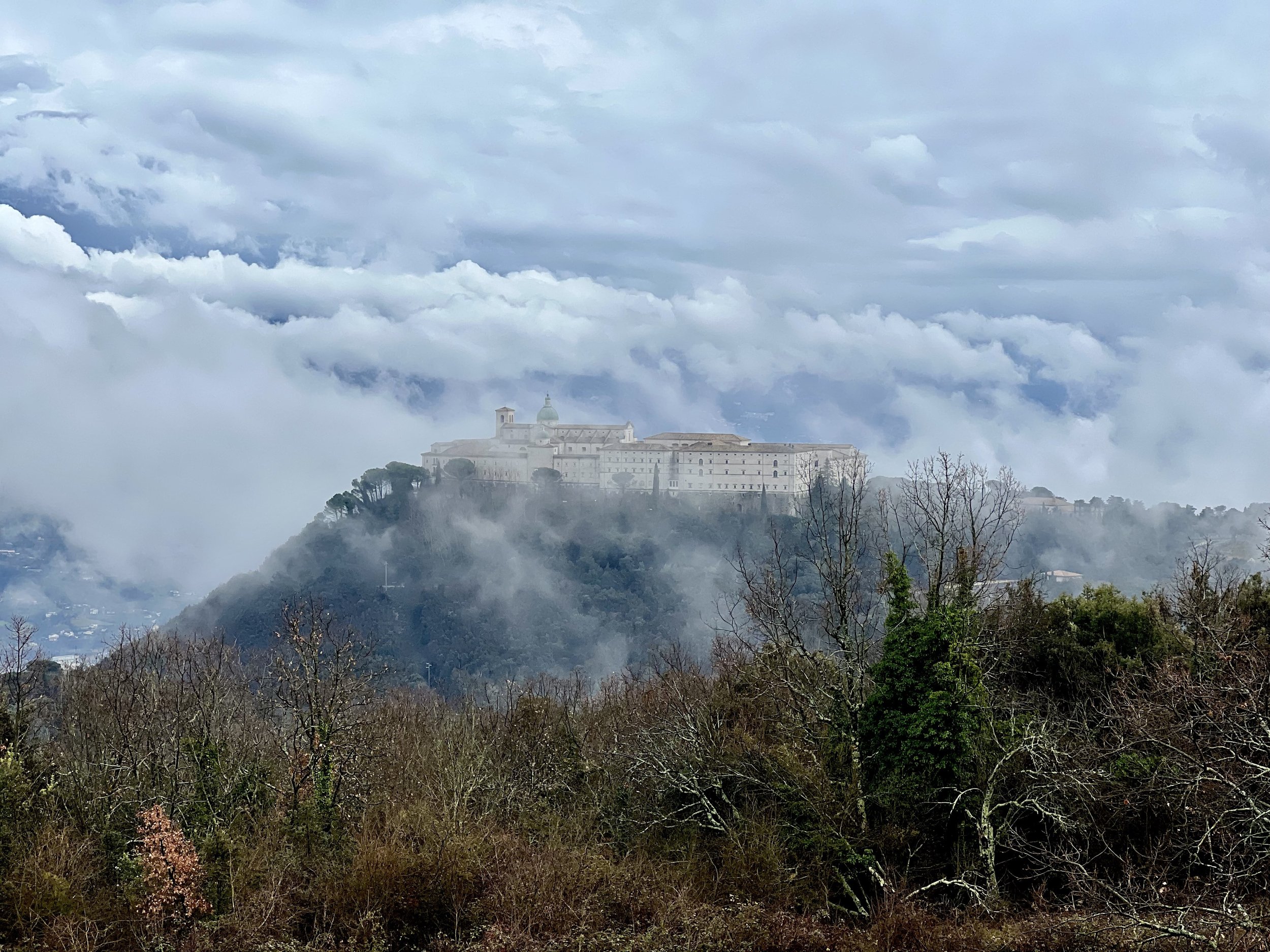
Situated high above the town of Cassino is the rocky hill of Montecassino, upon which sits the Abbazio di Montecassino which was built in 529 by San Benedetto, to house him and the monks. Over centuries the success of the abbey ebbed and flowed, but it remained one of the most famous Christian monasteries in the world. It was destroyed by the Longobards, followed by the Saracens and later an earthquake in the 1300s, though it is probably best know for being levelled in the bombardment of February 1944, during the Second World War. Montecassino was situated on the Gustav Line, which made up one of the most formidable lines of German defence.
The Battle of Monte Cassino was formed of four key assaults made by the Allies against German forces, aiming to break through the line which stretched across Italy in order to reach Rome. Ironically, the Germans did not occupy the monastery, despite its advantageous position, but the Allies bombed the abbey anyway with 1,400 tonnes of explosives. German paratroopers then occupied defensive positions within the ruins, but were later pushed out by Allied forces, with a strong contingent from Poland. Eventually, on the 25 May 1944, British and Polish flags were raised above the ruins, but the victory had come at a high price: 55,000 casualties for the Allies, and 20,000 German forces killed or wounded. In the four assaults of Monte Cassino more than 105,000 were killed.
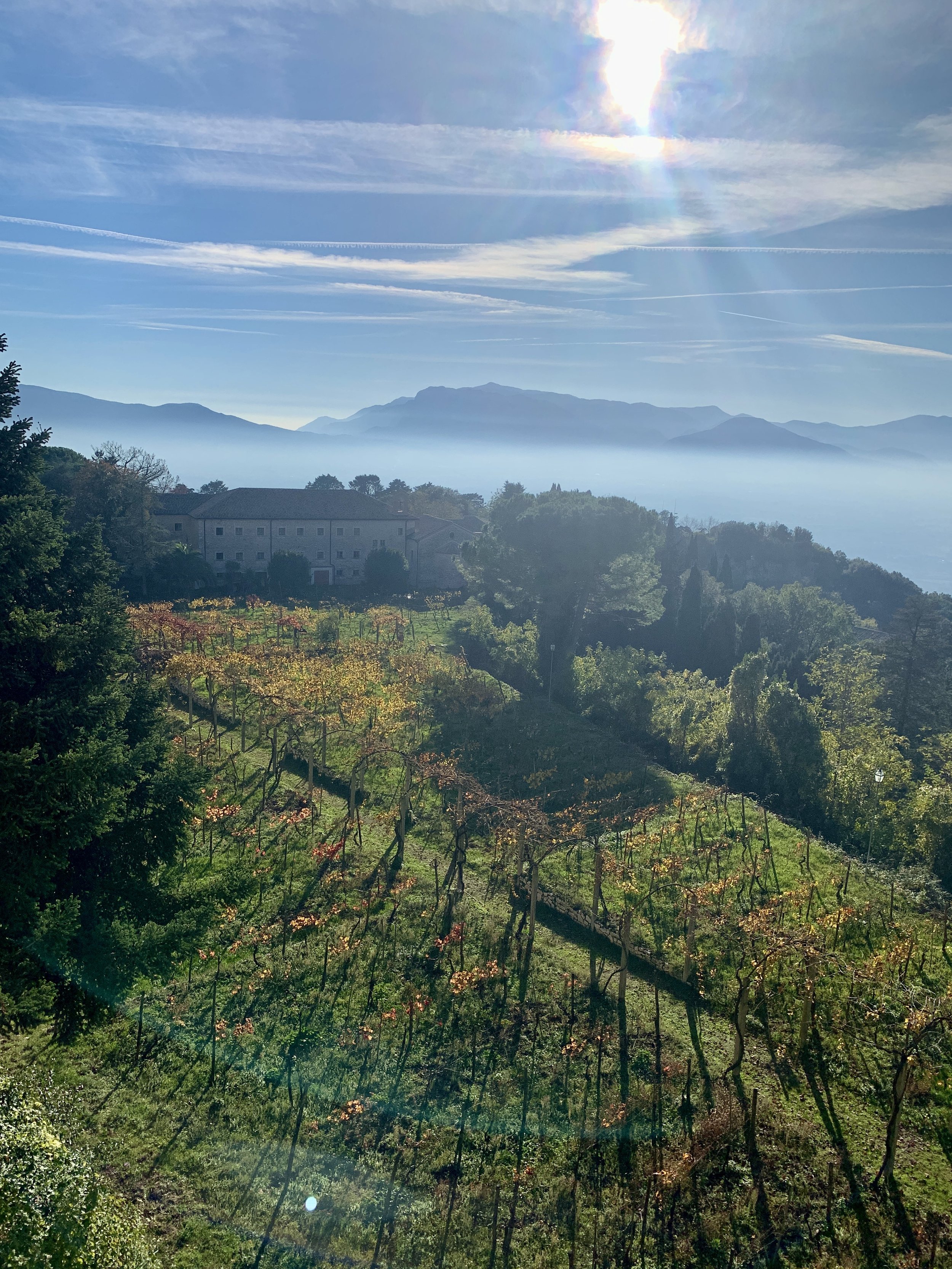
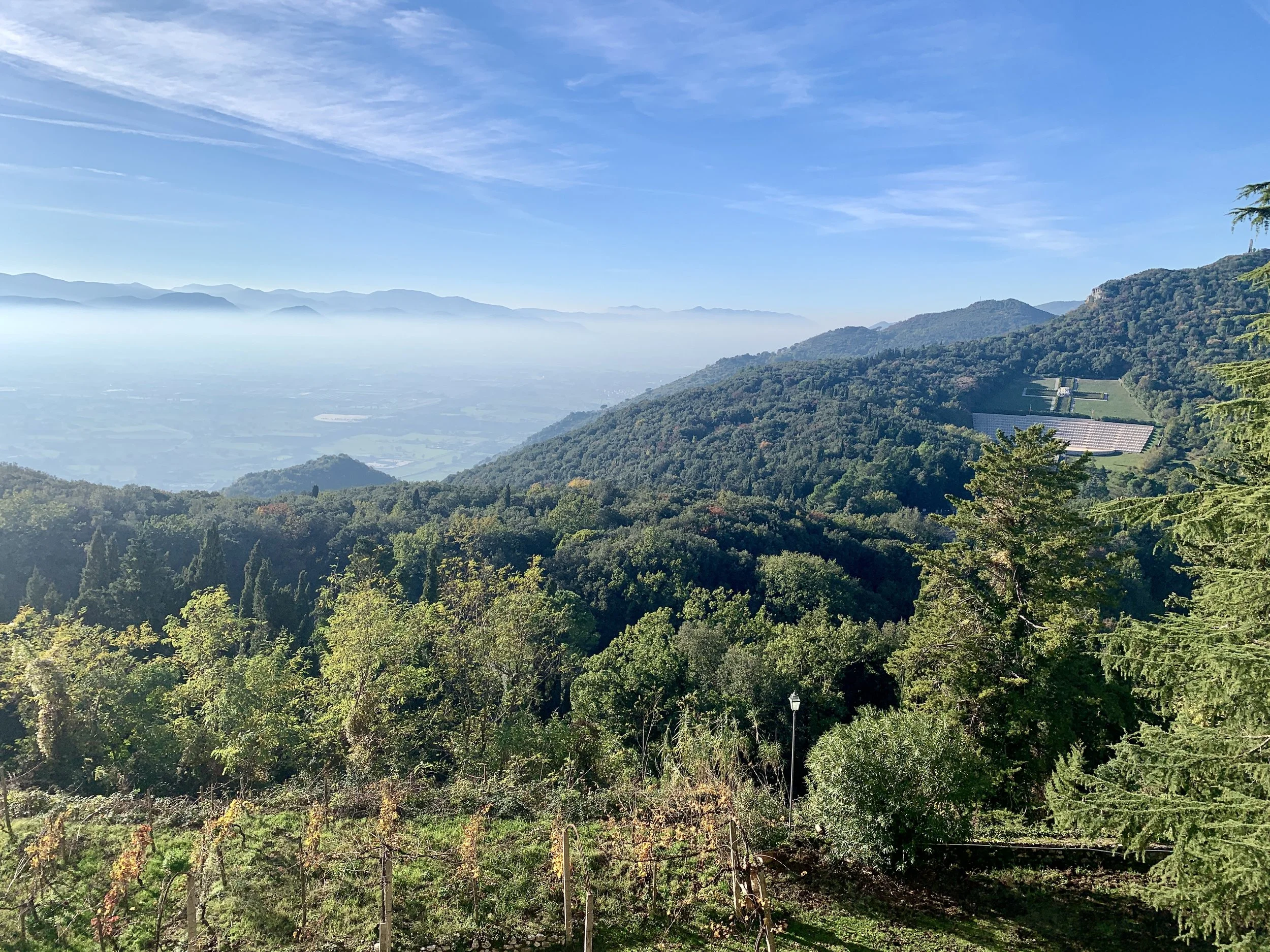
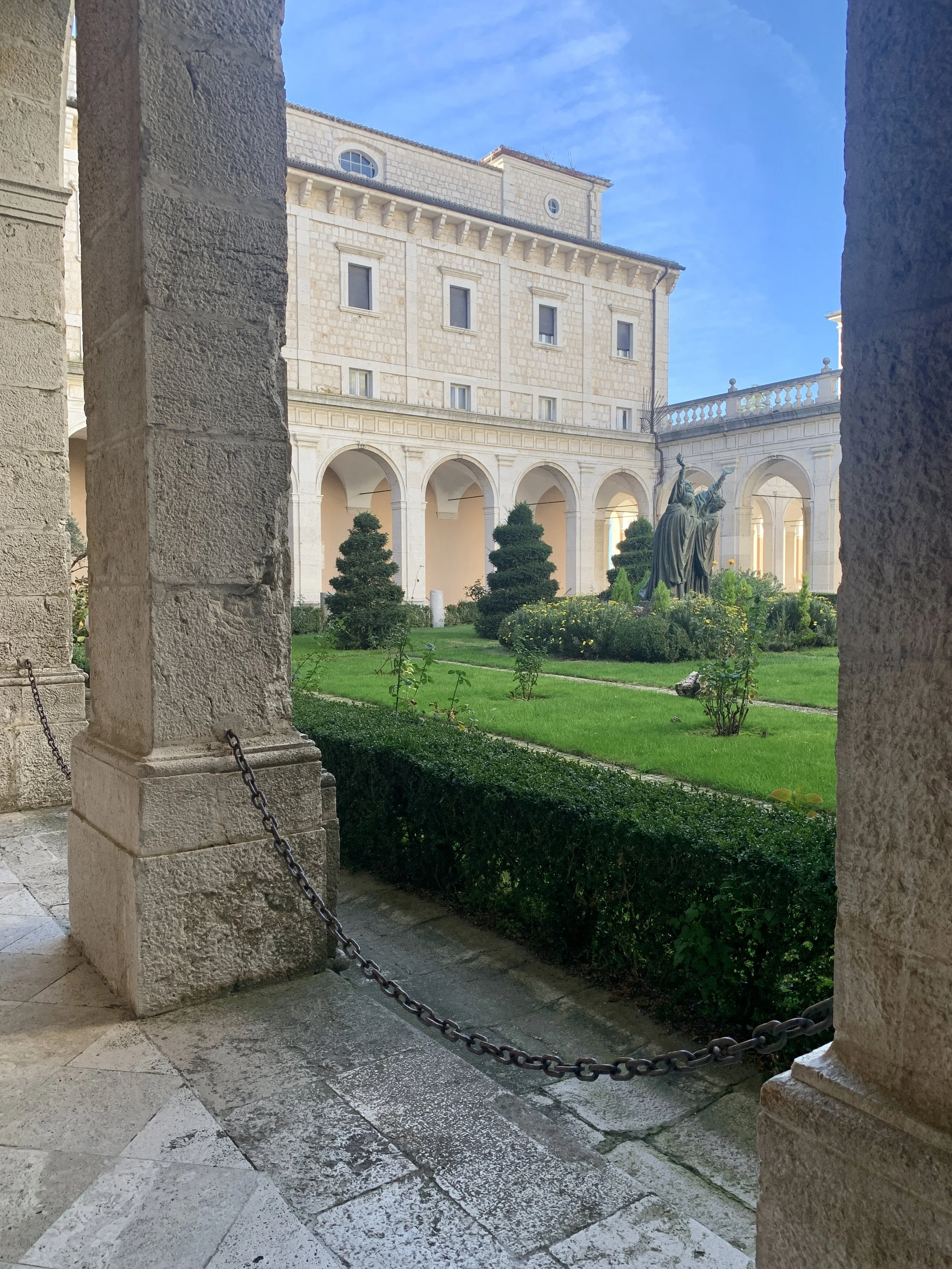
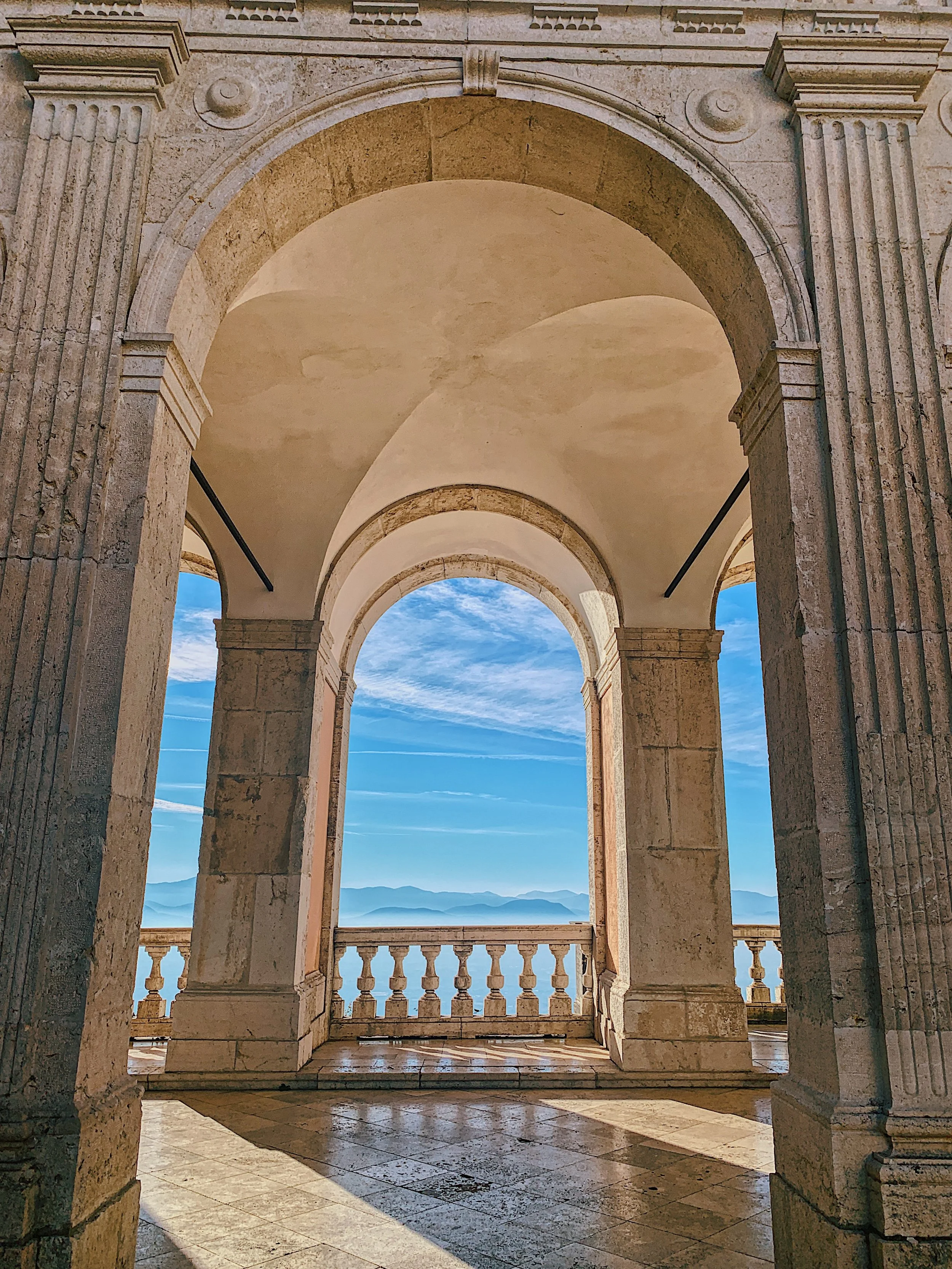
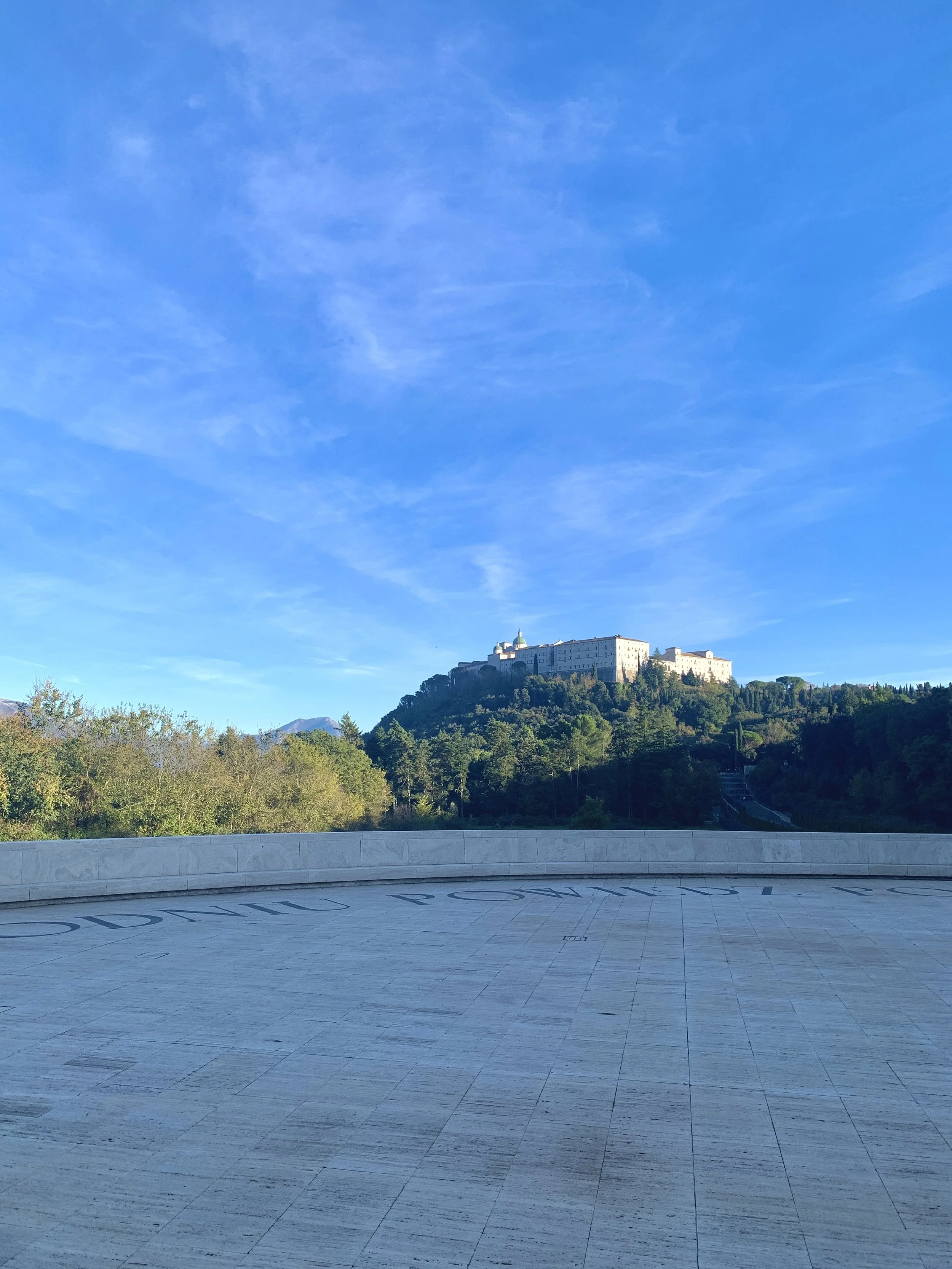
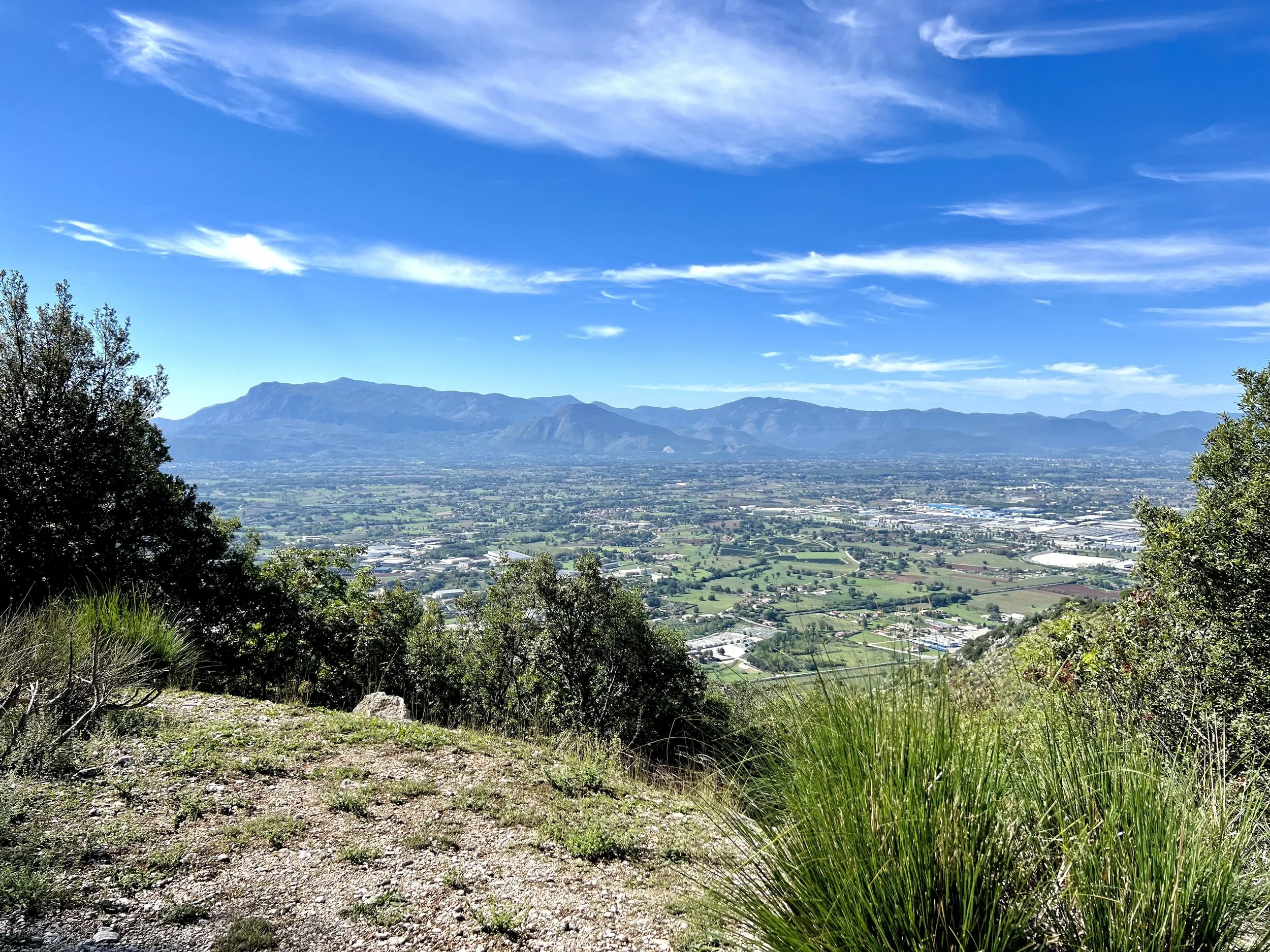
The abbey was left in ruins and was later totally rebuilt, being finished in 1956. It is an awe-inspiring building, easily seen atop the hill from miles around, and has incredible views over the surrounding valleys. Despite its battle scars and tragic history, there is a feeling of great peace here.
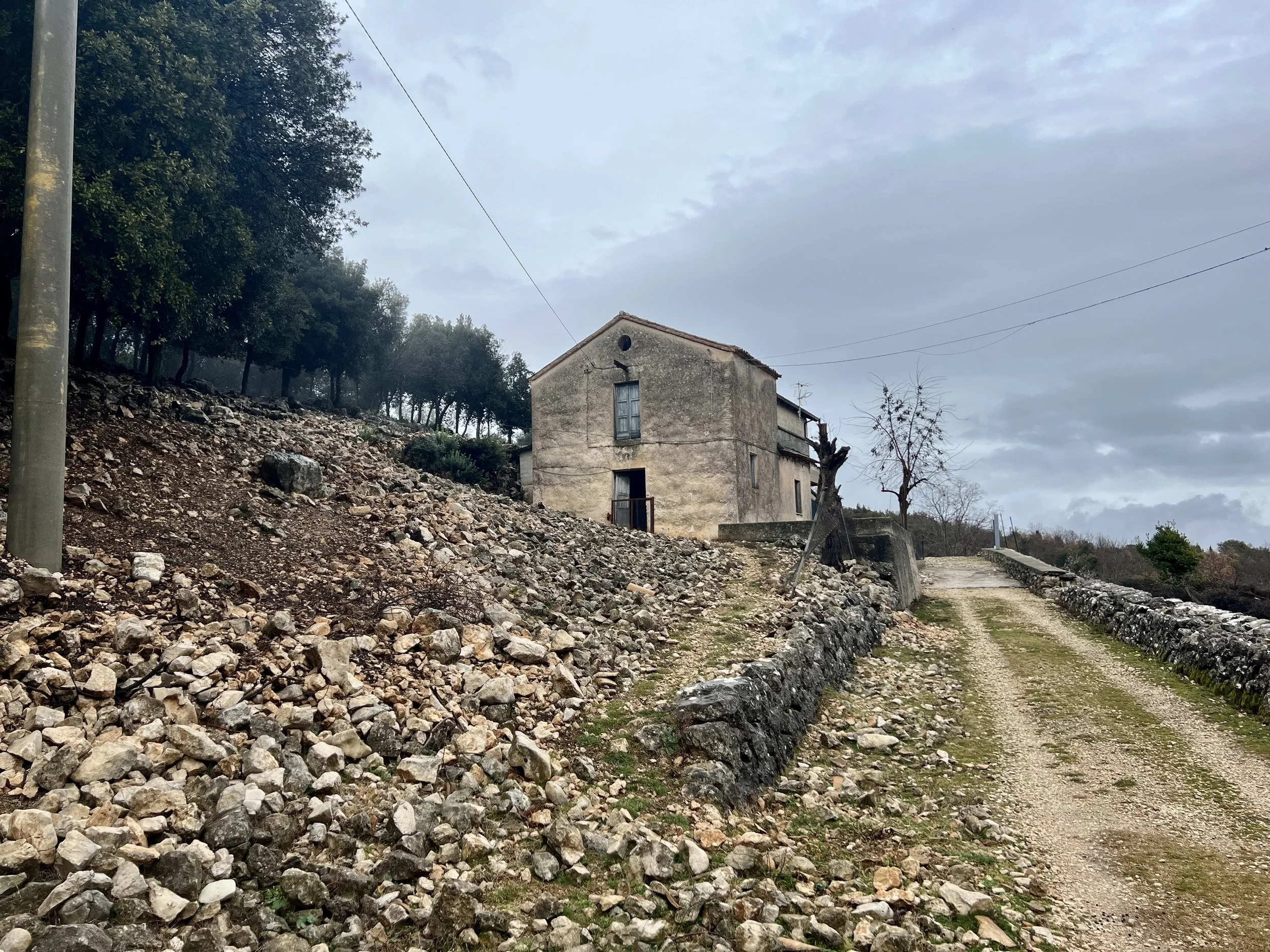
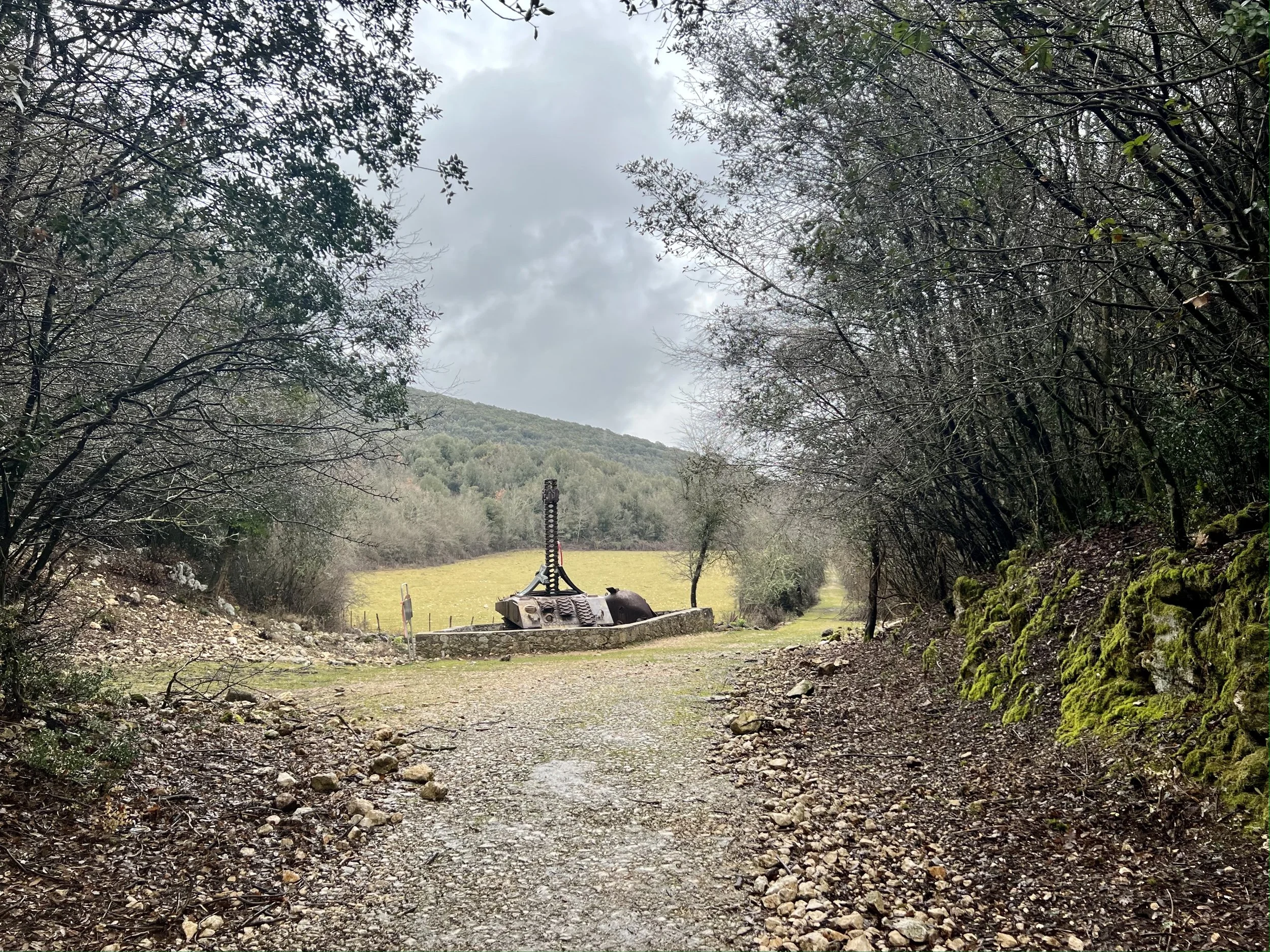
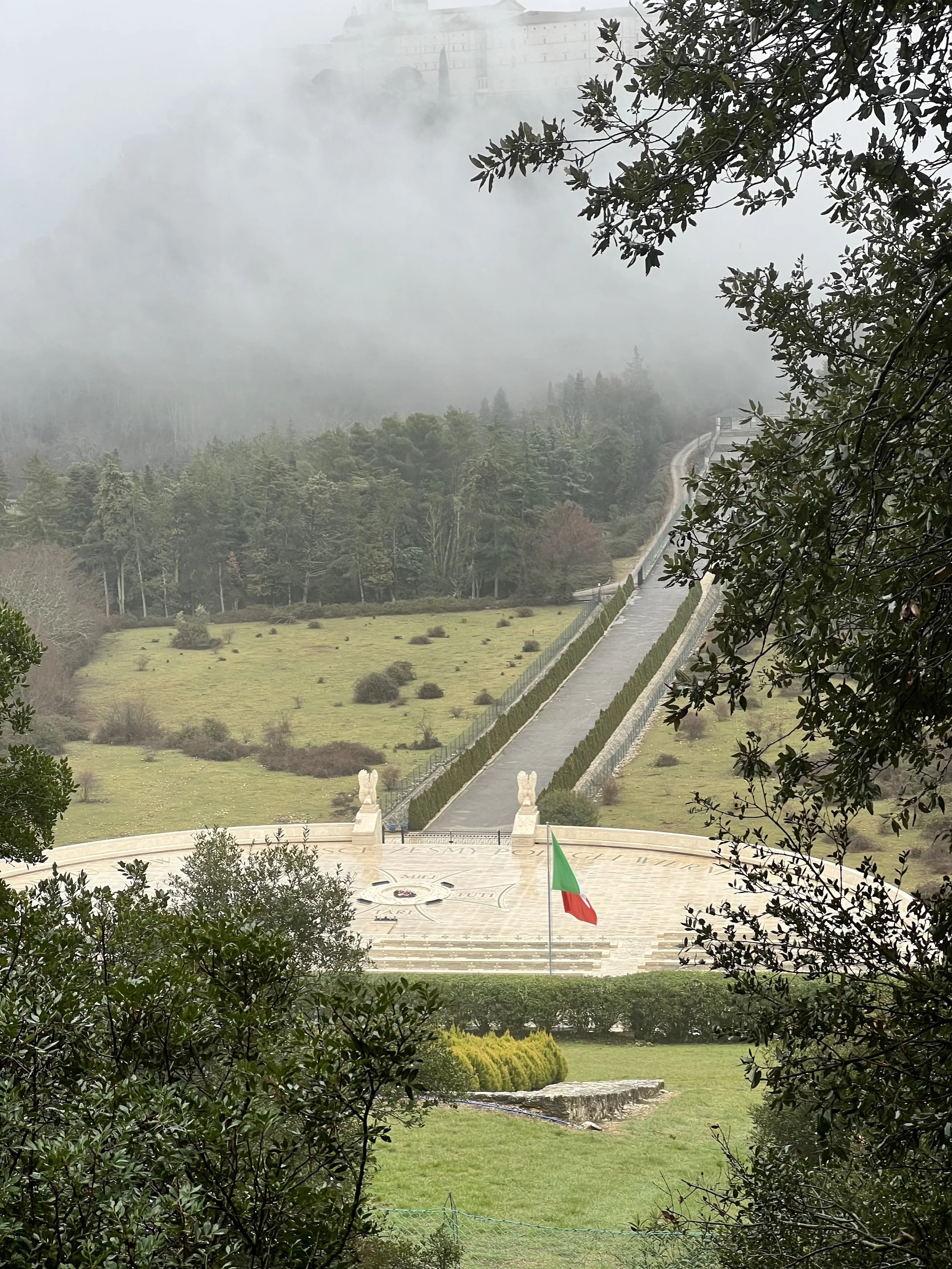
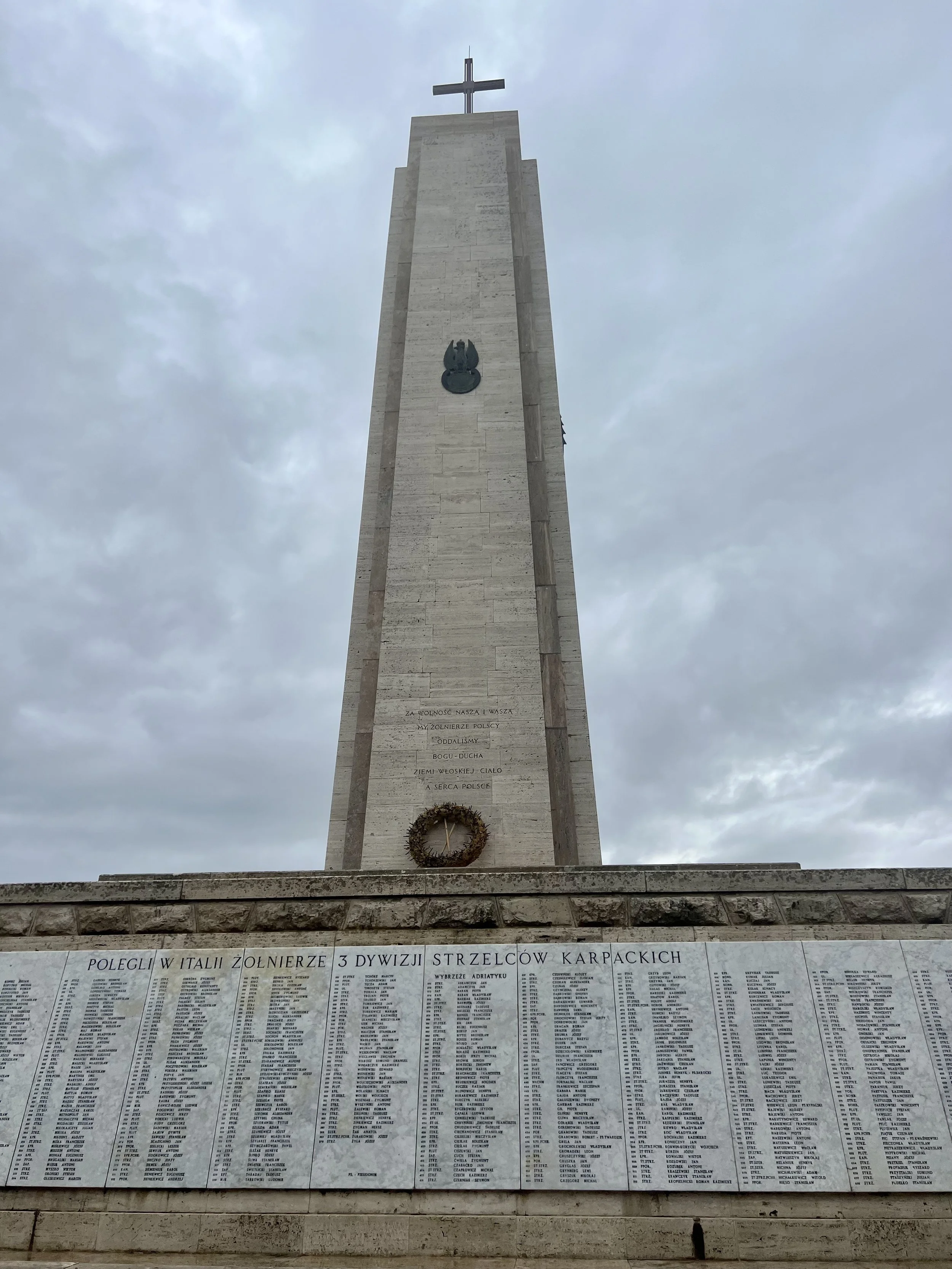
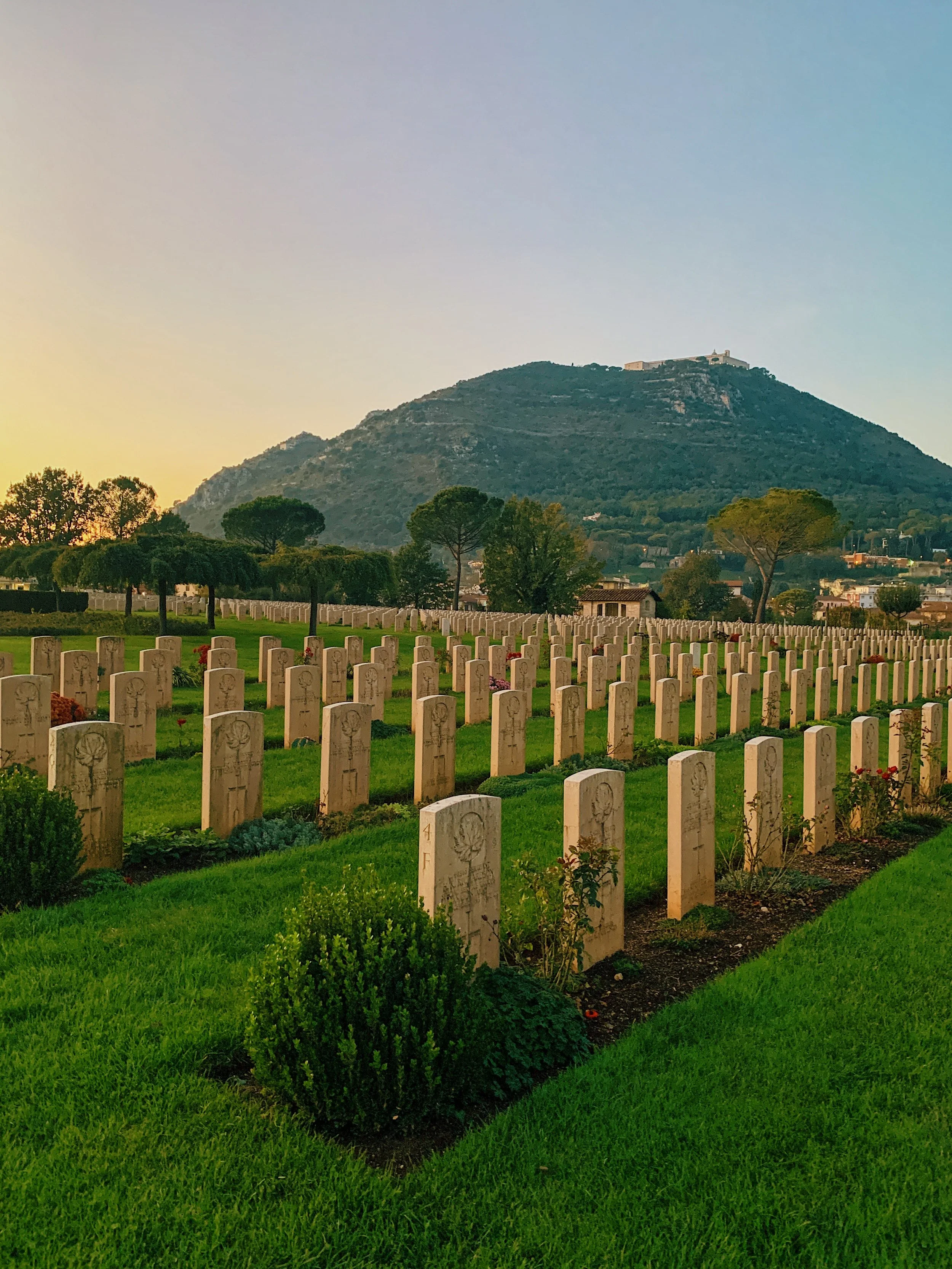
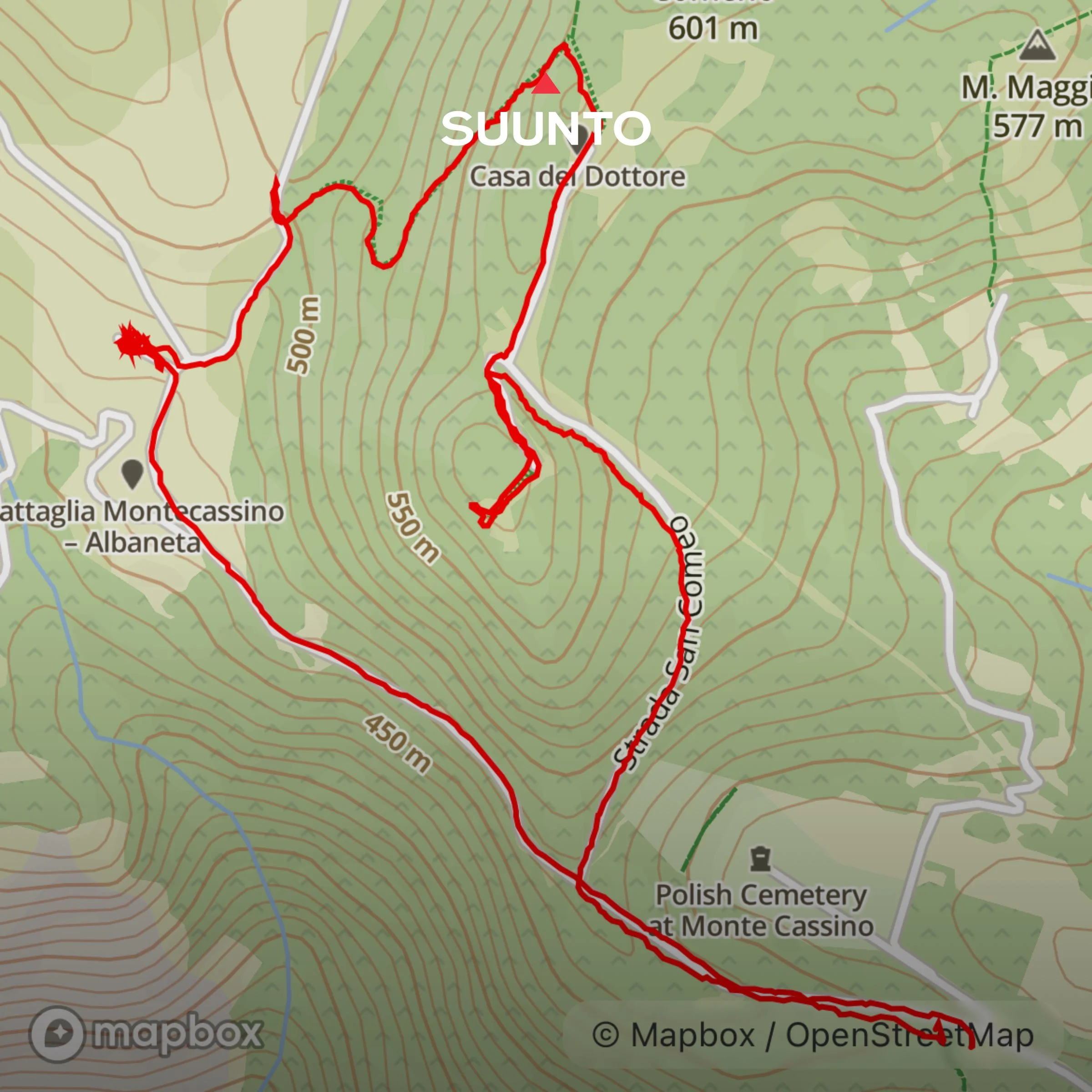
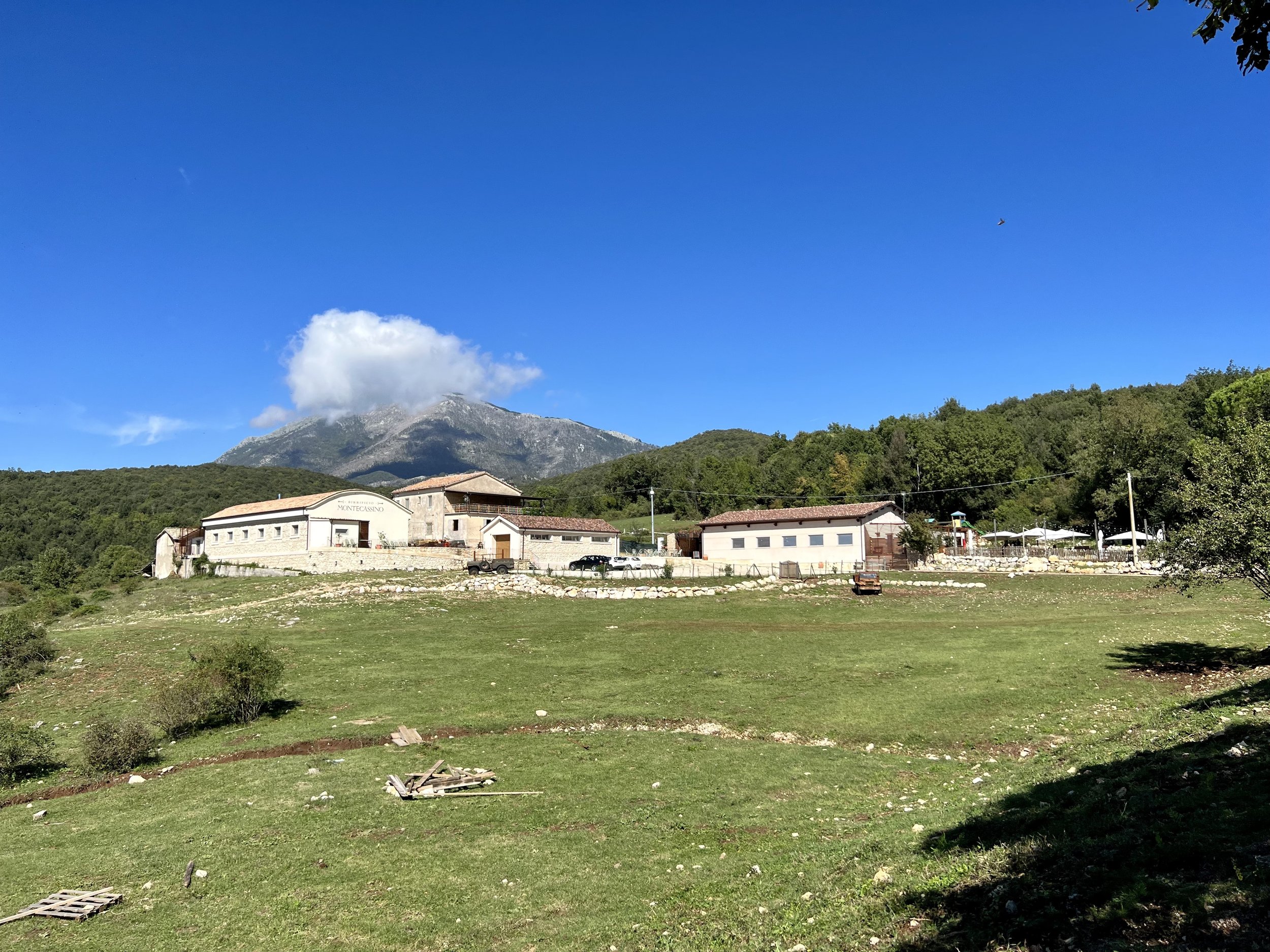
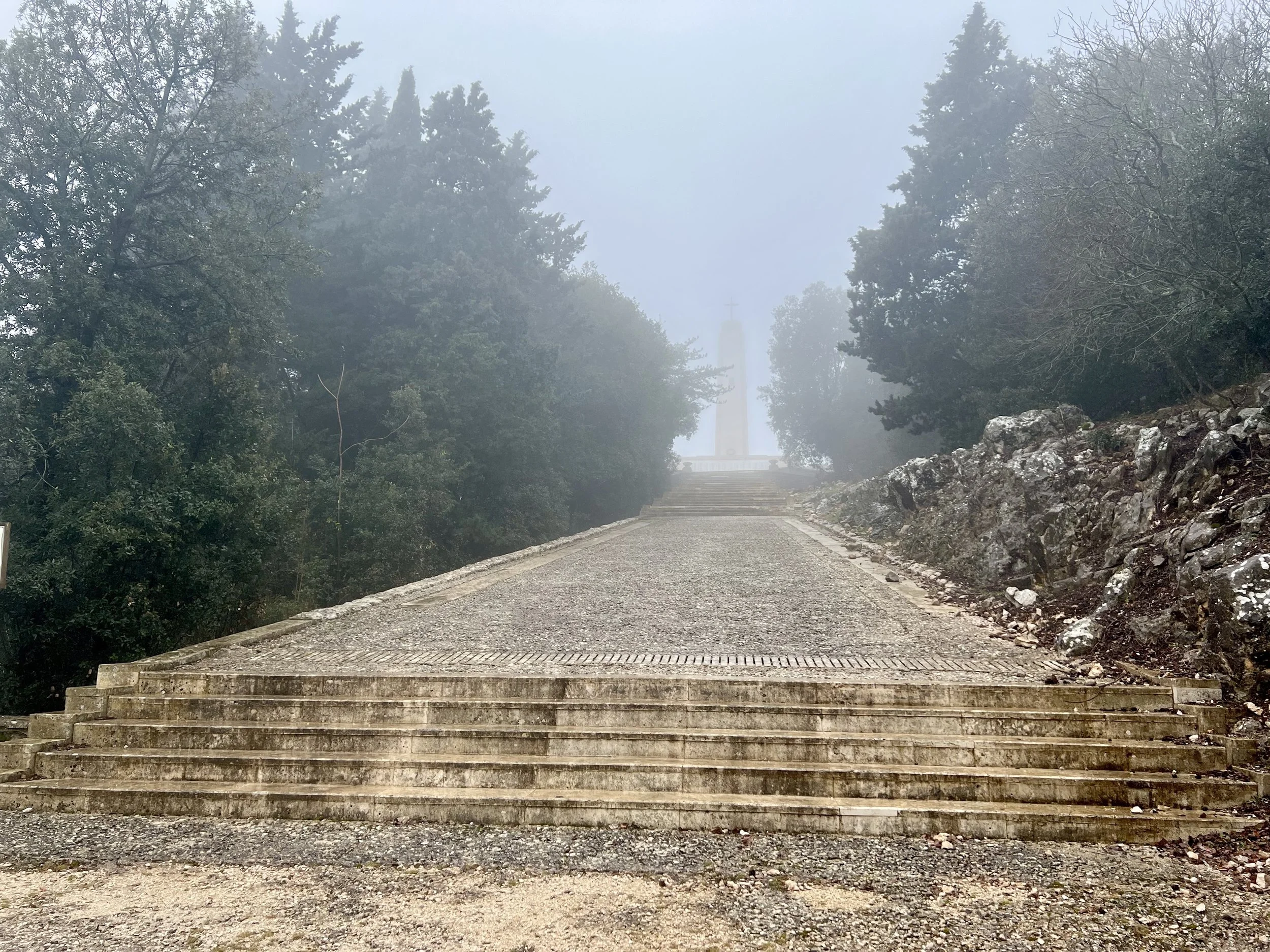
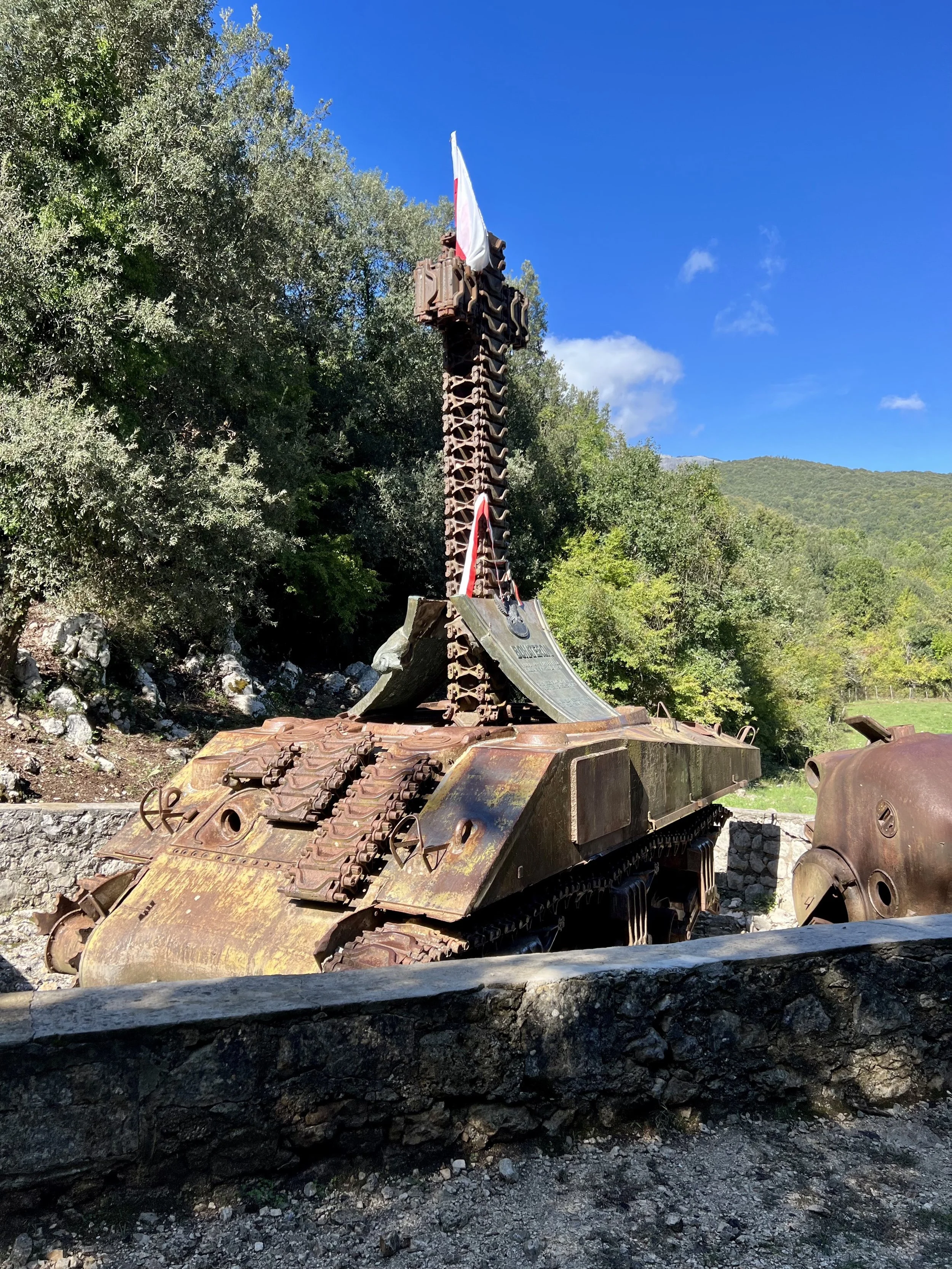
This walk takes in key locations of the Battle of Monte Cassino, including the Polish War Cemetery, the memorial above Hill 593, the Doctor’s House (which housed the medics and doctors of the 3rd Carpathian Rifle Division and its HQ), a preserved Sherman tank and the ruined Albaneta Farm. The farm paid a huge part in providing sustenance to the monks throughout the centuries, and has now been restored to include a cheese producer, brewery, an apiary and a restaurant.
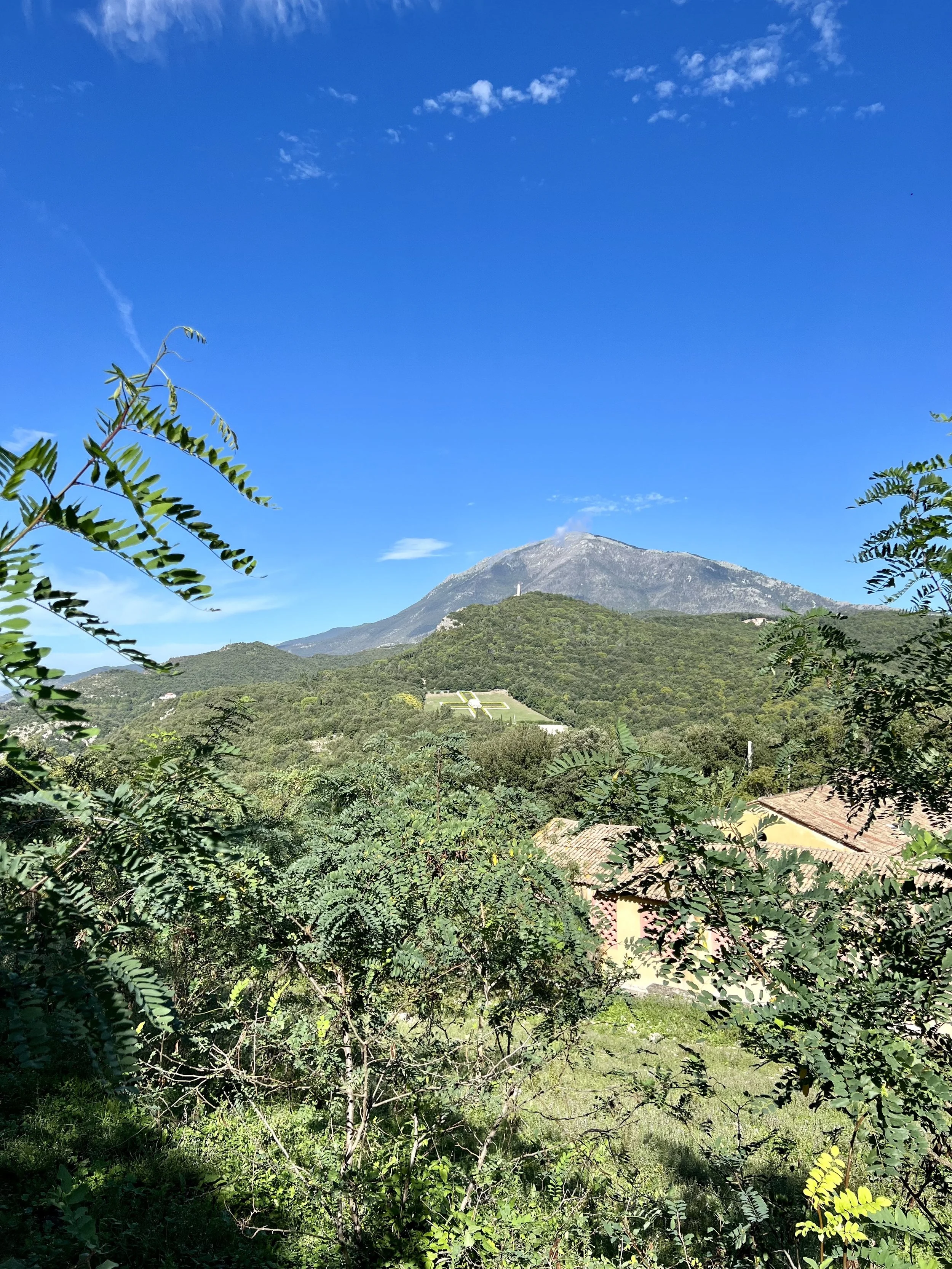
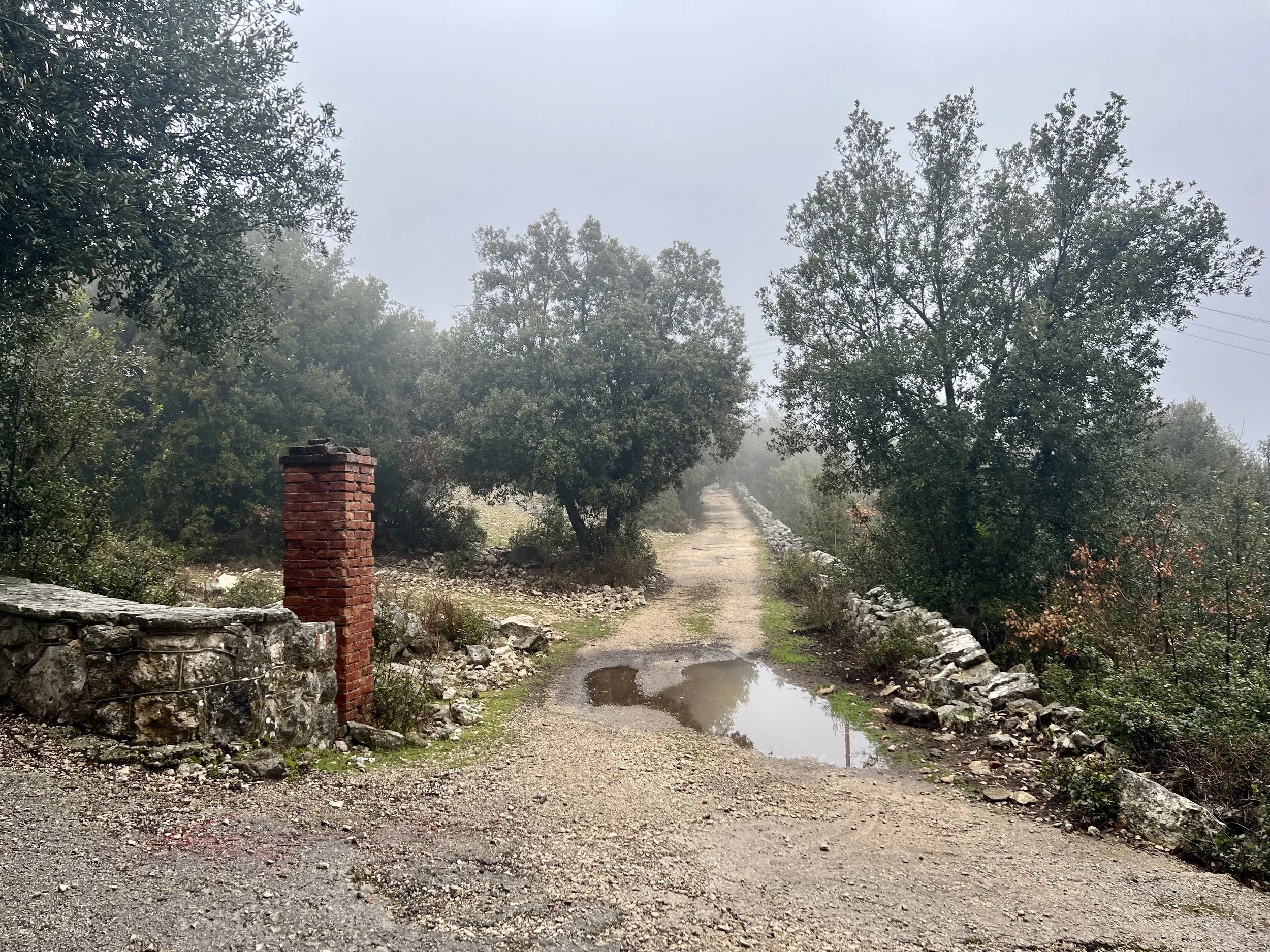
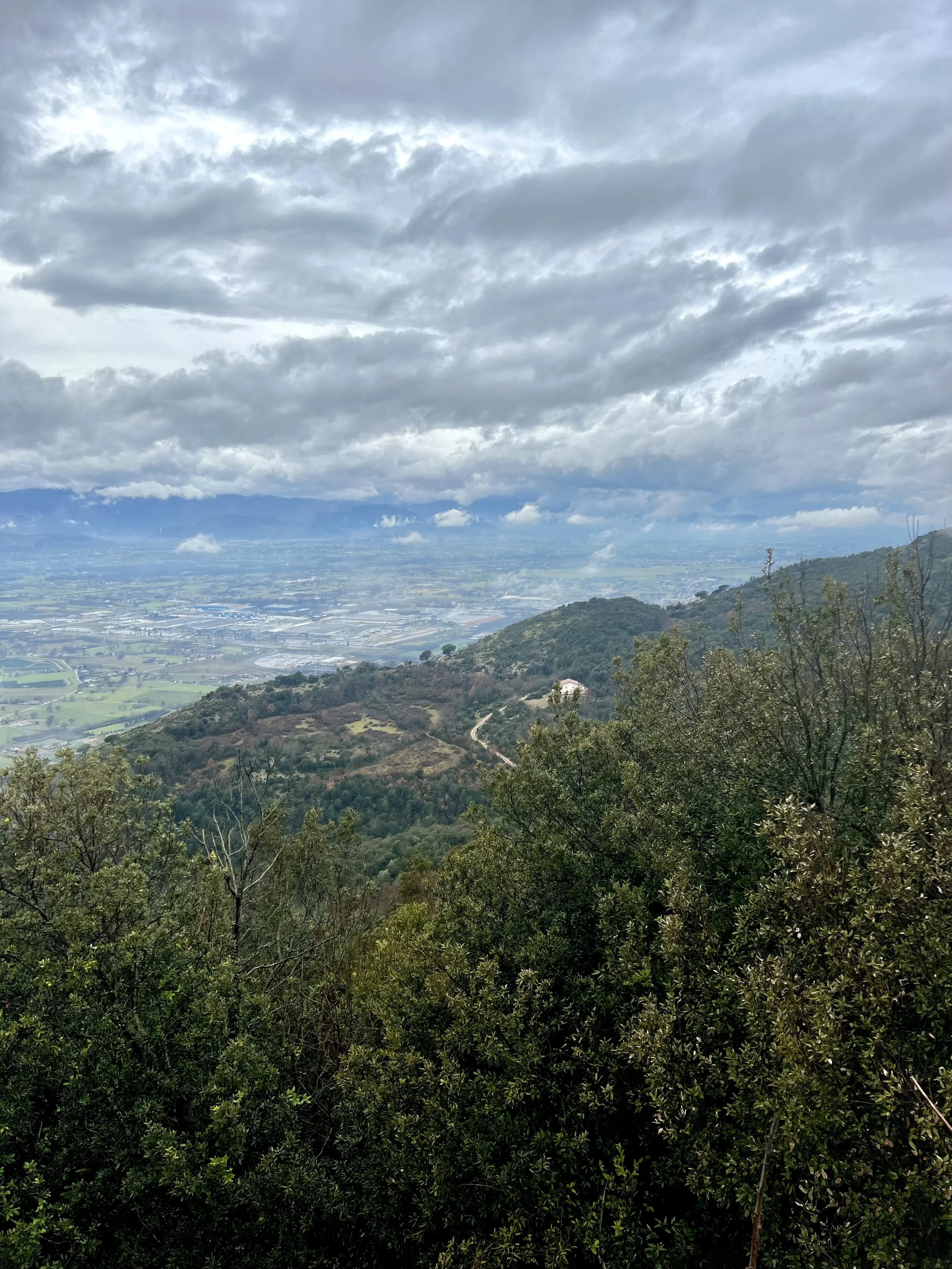
I’ve done this walk a few times - on a sunny December morning, a perfect September afternoon and a rainy Sunday in February - which is why these photos show a mix of different weathers.
Flora and fauna
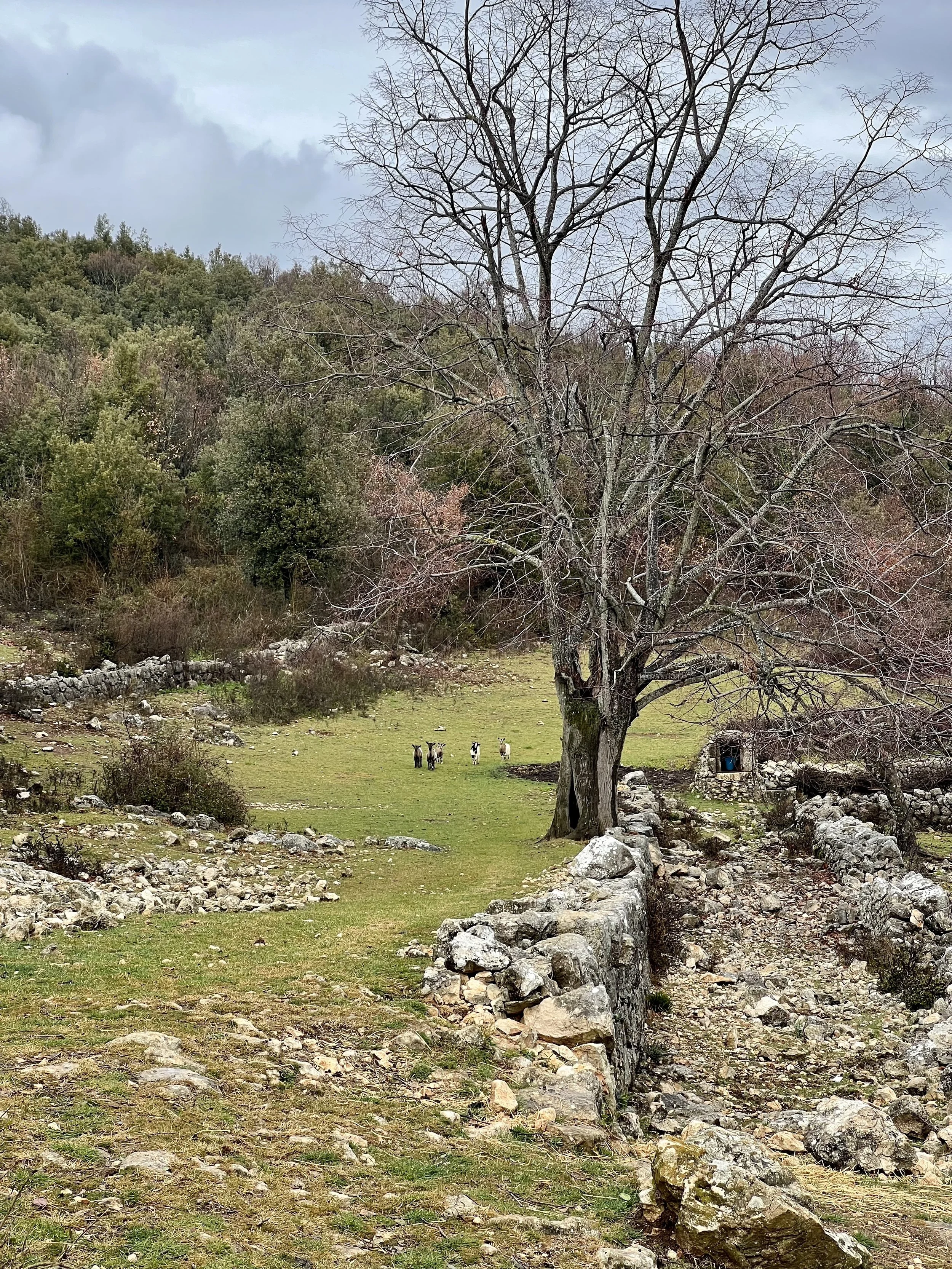
There are grazing animals all around the abbey, including cows, sheep and goats, plus a few scattered chickens. There are many different trees in the dense woods, including hawthorn, blackthorn, fruiting trees and flowering acacia - this variety is what gives the honey that is produced here its exceptional flavour.
How to get there and parking
Drive up the mountain road as though you are heading to the abbey and turn off following the signposts for the Polish World War II ceremony. Follow the road to the cemetery and park in the car park on the left hand side; this is free. The other car parks by the abbey require payment.
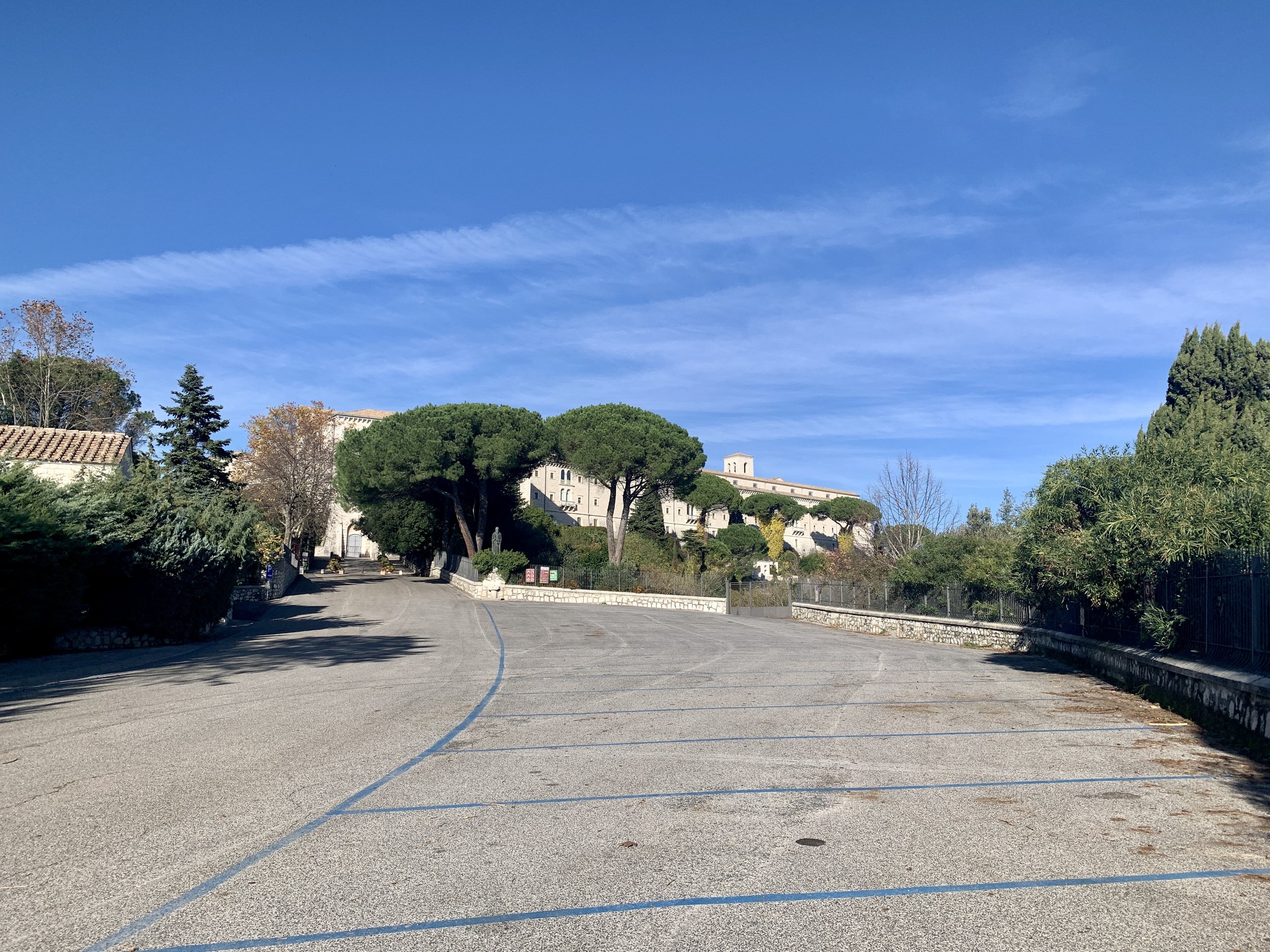
If you make a day of it, there’s plenty of time to visit the abbey, the war memorials (both the Polish and the Commonwealth cemeteries are extremely moving for the staggering amount of names and graves), walk the trail and visit the brewery. The picture on the right is the car park for the abbey itself; you could also choose to park here and extend the walk down to the Polish war memorial - though you’ll need to come back up the hill again.
Signage and trails
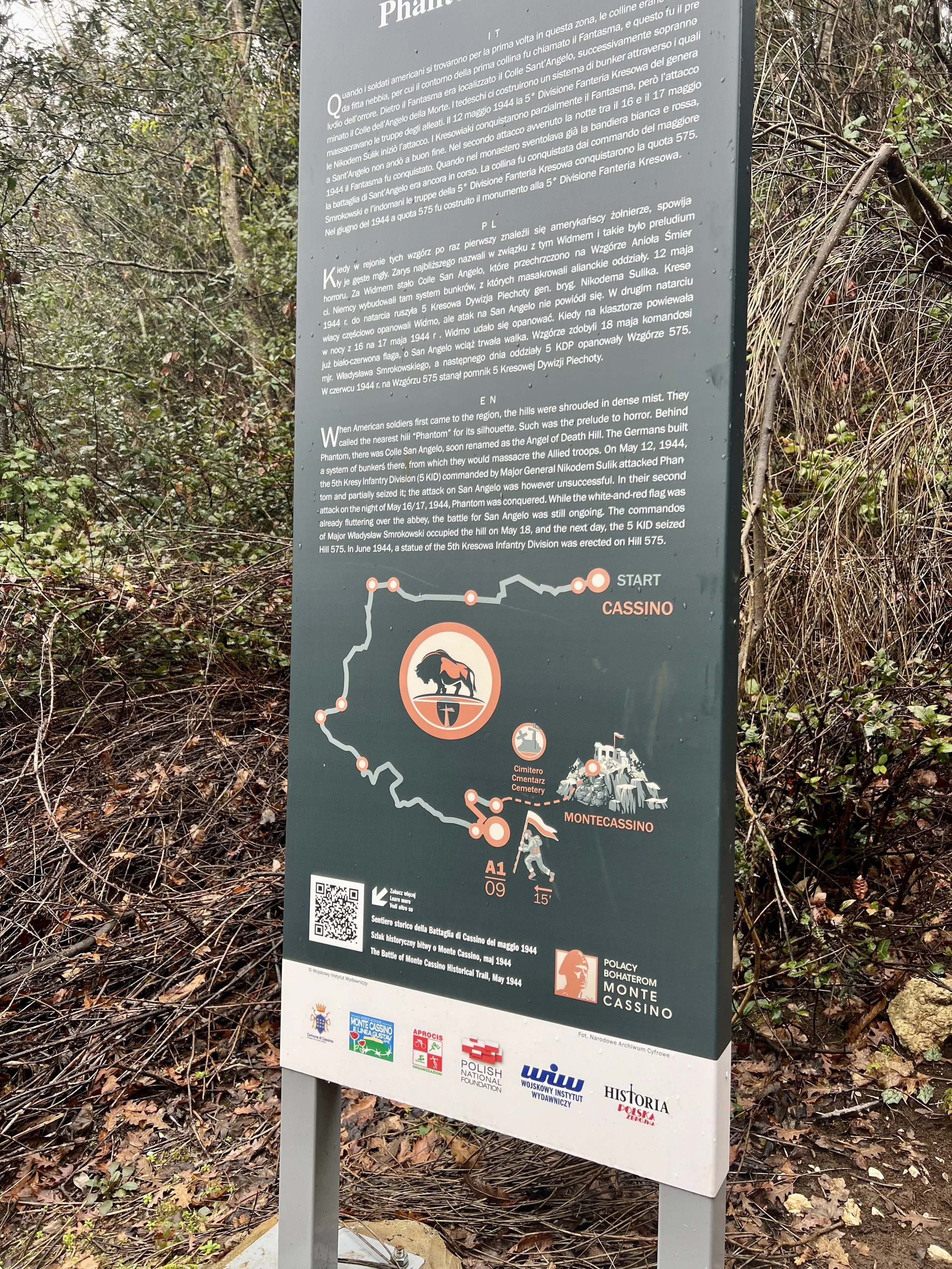
The trail is part of the Parco Naturale dei Monti Aurunci, located in southern Lazio in central Italy. The area is criss-crossed with paths which can be found on Carta dei Sentieri 12, available from Edizioni il Lupo. This particular trail is the Battle of Monte Cassino Historical Trail, May 1944.
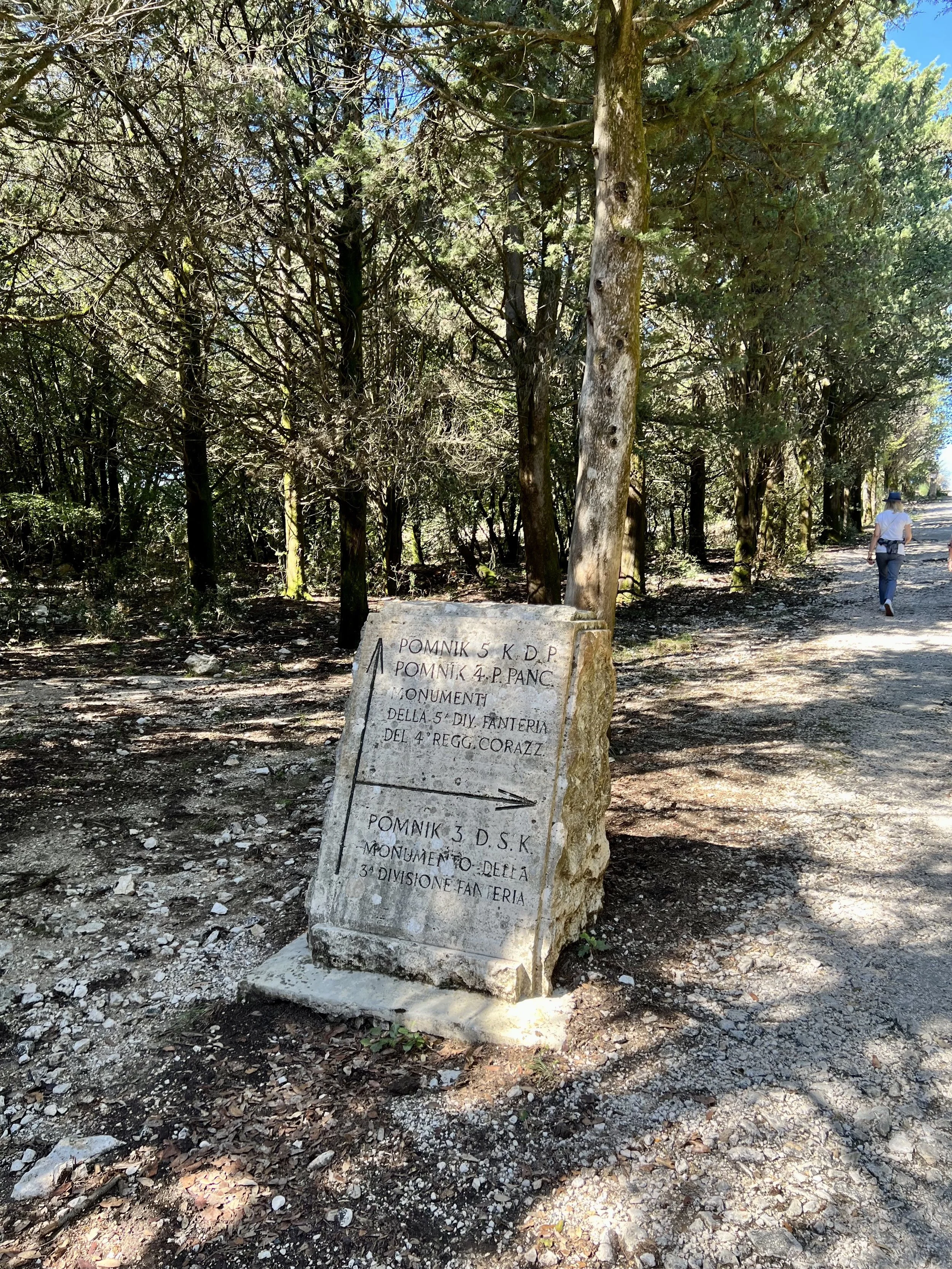
The path is well marked throughout, with the traditional red and white CAI markings as well as signs. More recently, signboards sponsored by various Polish and Italian charities have been erected at points along the way to explain key areas and moments of the Battle of Montecassino.
Route
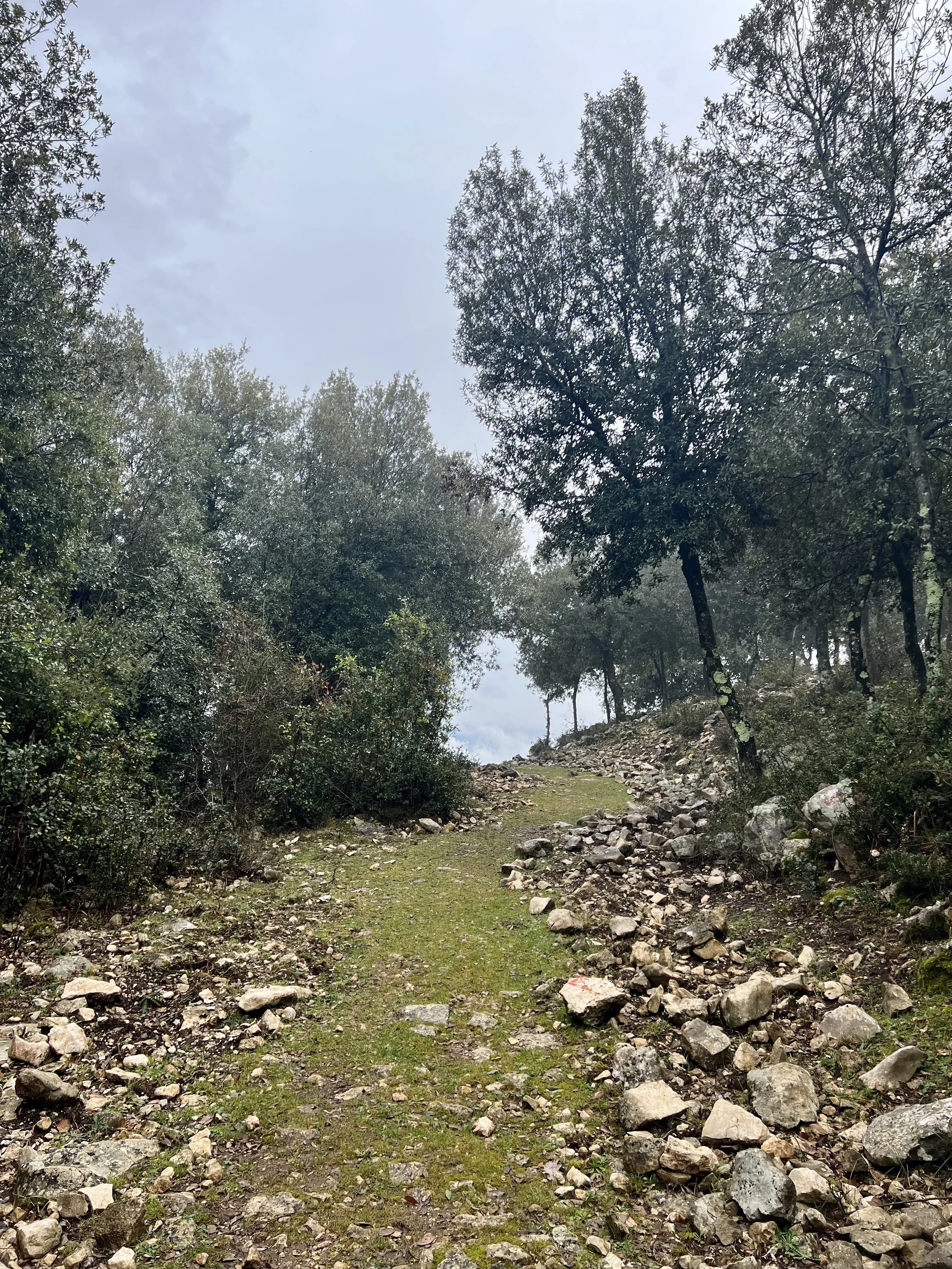
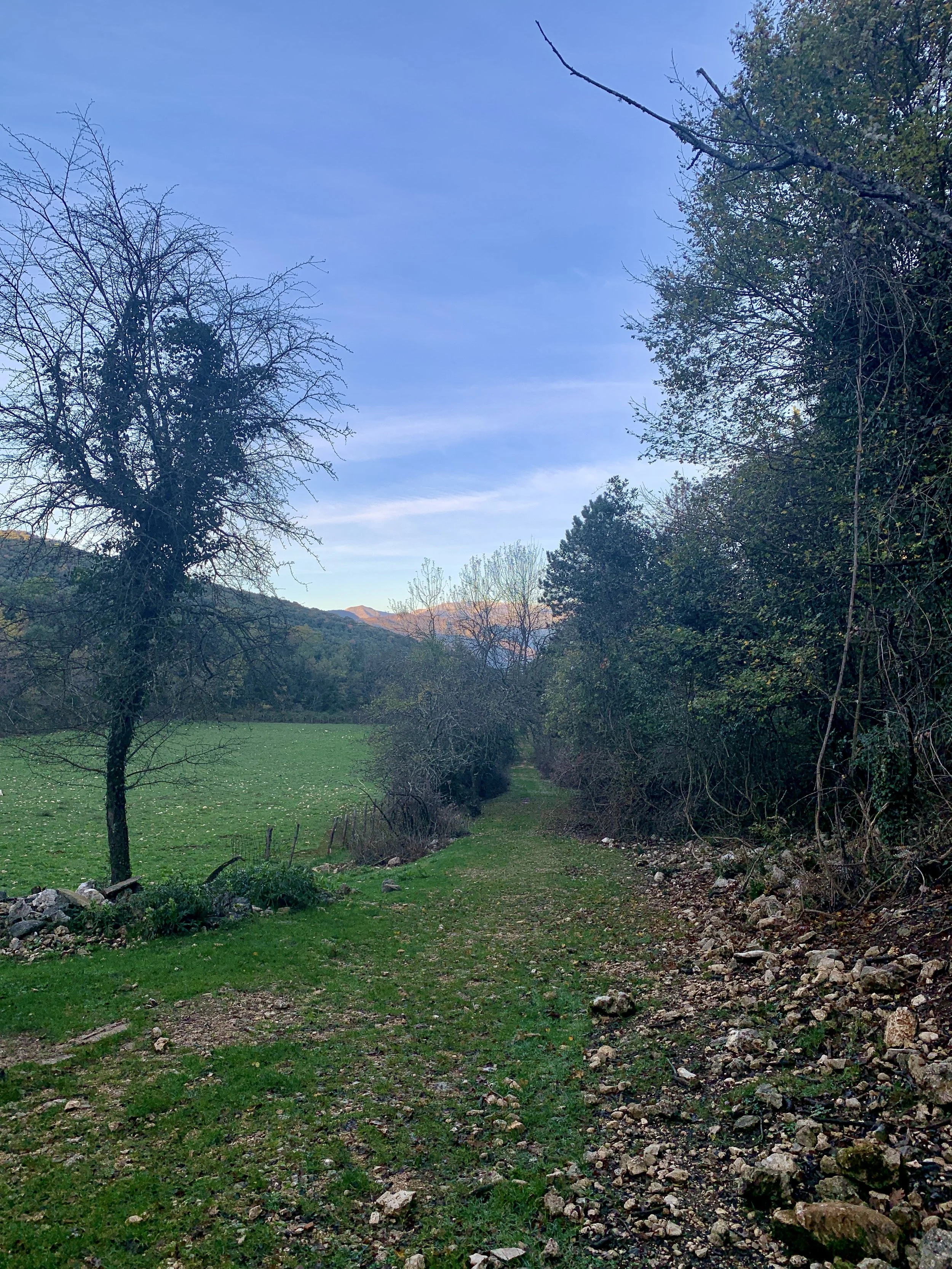
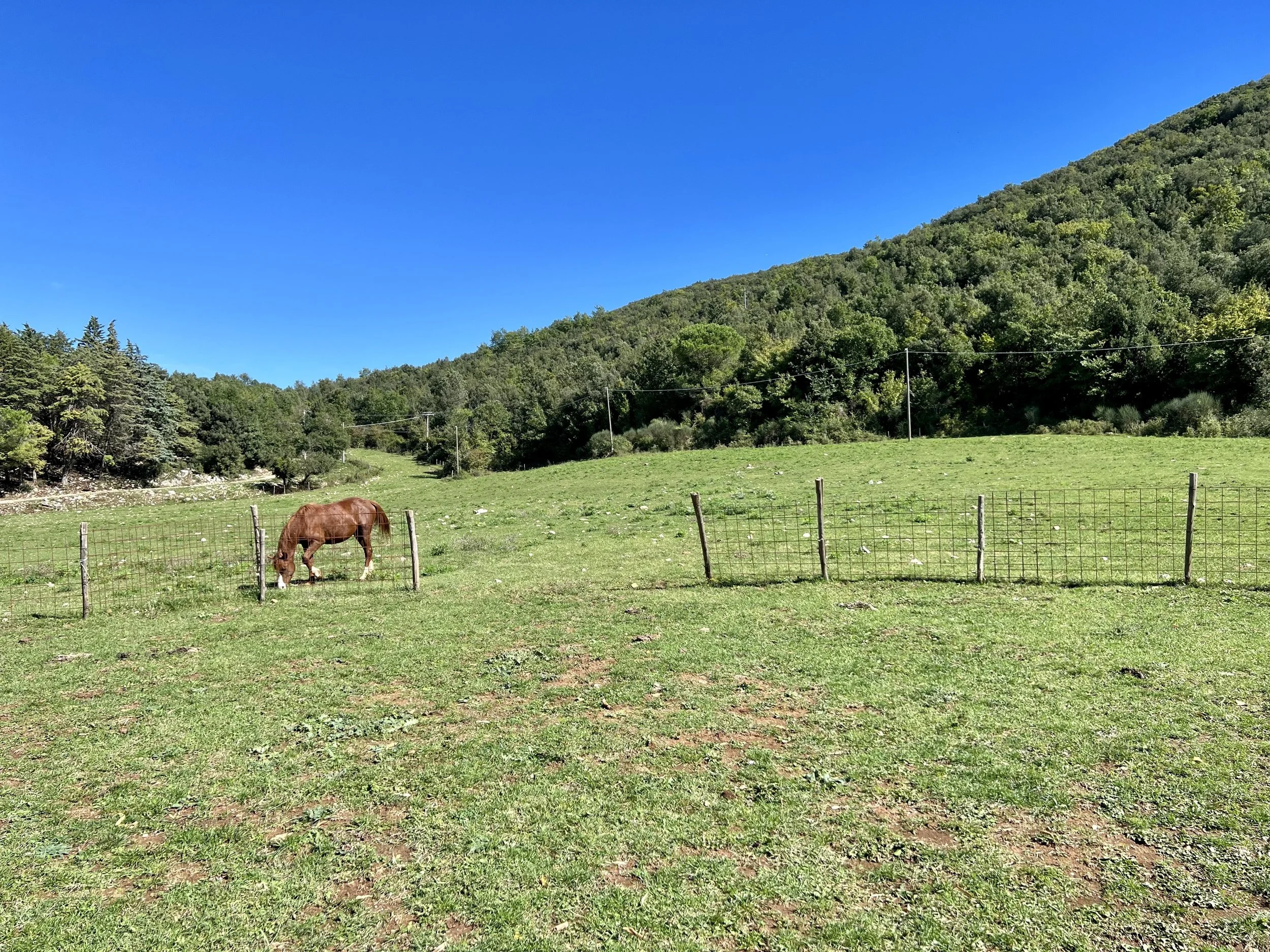
Beginning at the car park, head through the gated entrance that runs parallel to the path leading to the Polish war cemetery. It is signposted Albaneta, with two signboards on either side. Continue on this path for about 200 metres until you reach a junction with a path splitting to the right. Take this path and follow the route uphill until you reach the obelisk at the top of Hill 593, a further memorial to the fallen Polish soldiers. After time at the obelisk, head back down the way you came for several hundred metres and then take the left-hand turn, passing the Doctor’s House on the left. After the house, turn left across the field (it’s very stony, but the grass path is just visible) and head into the trees. The path becomes very rocky here so watch your step - it can also be very slippery when wet. The path heads steeply downhill within the trees until it reaches a wider, more defined track. Turn right here and take a quick look at the remains of the Sherman tank, which are on the left. The track continues onwards on ‘Cavendish Road’, but you need to turn back around and follow the defined path in the opposite direction. After a short distance, the Birrificio Montecassino will be on the right-hand side, shortly followed by the ruins of Albaneta farm and monastery. Continue following the track back to the car park.
Food and drink
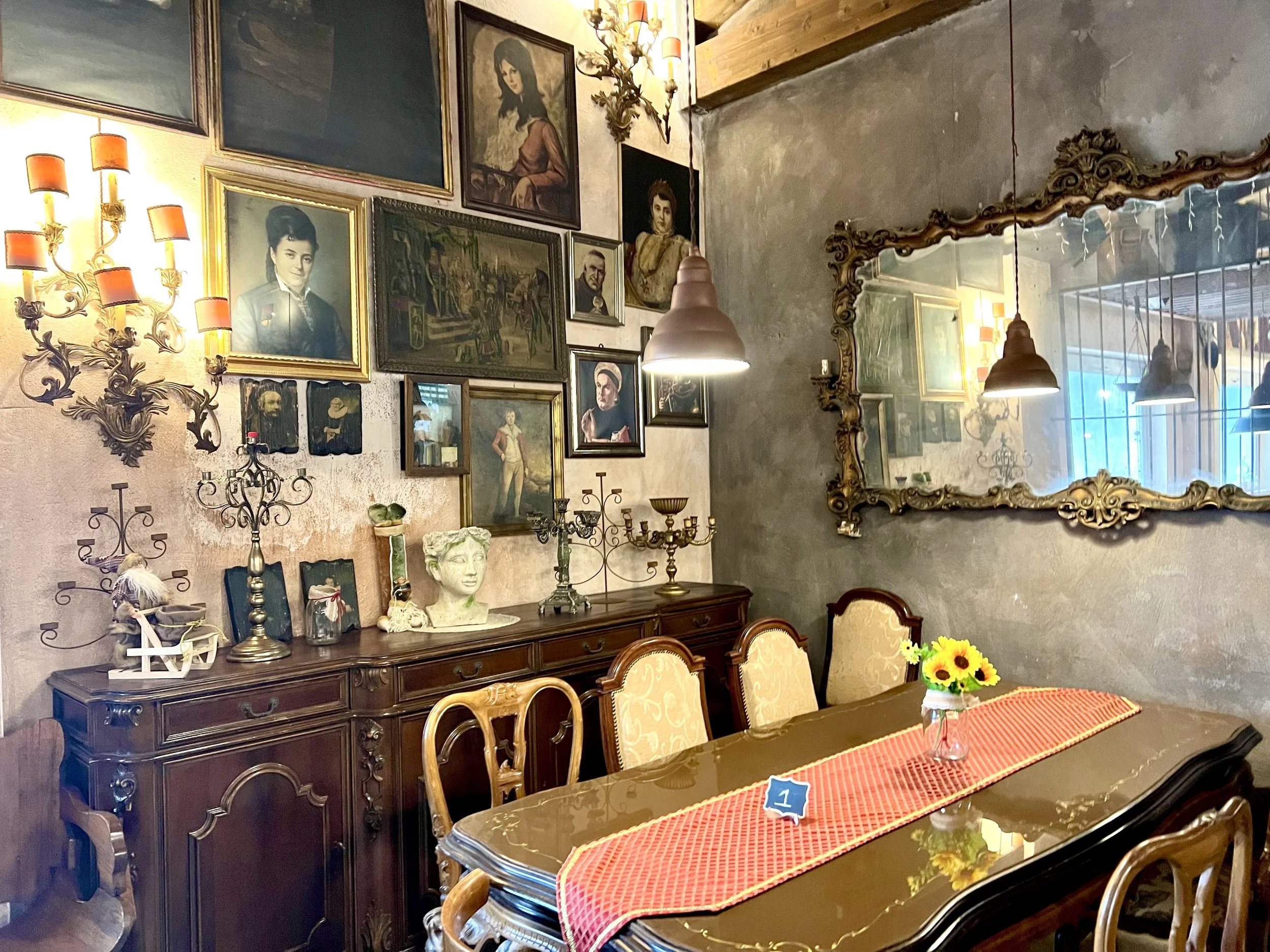
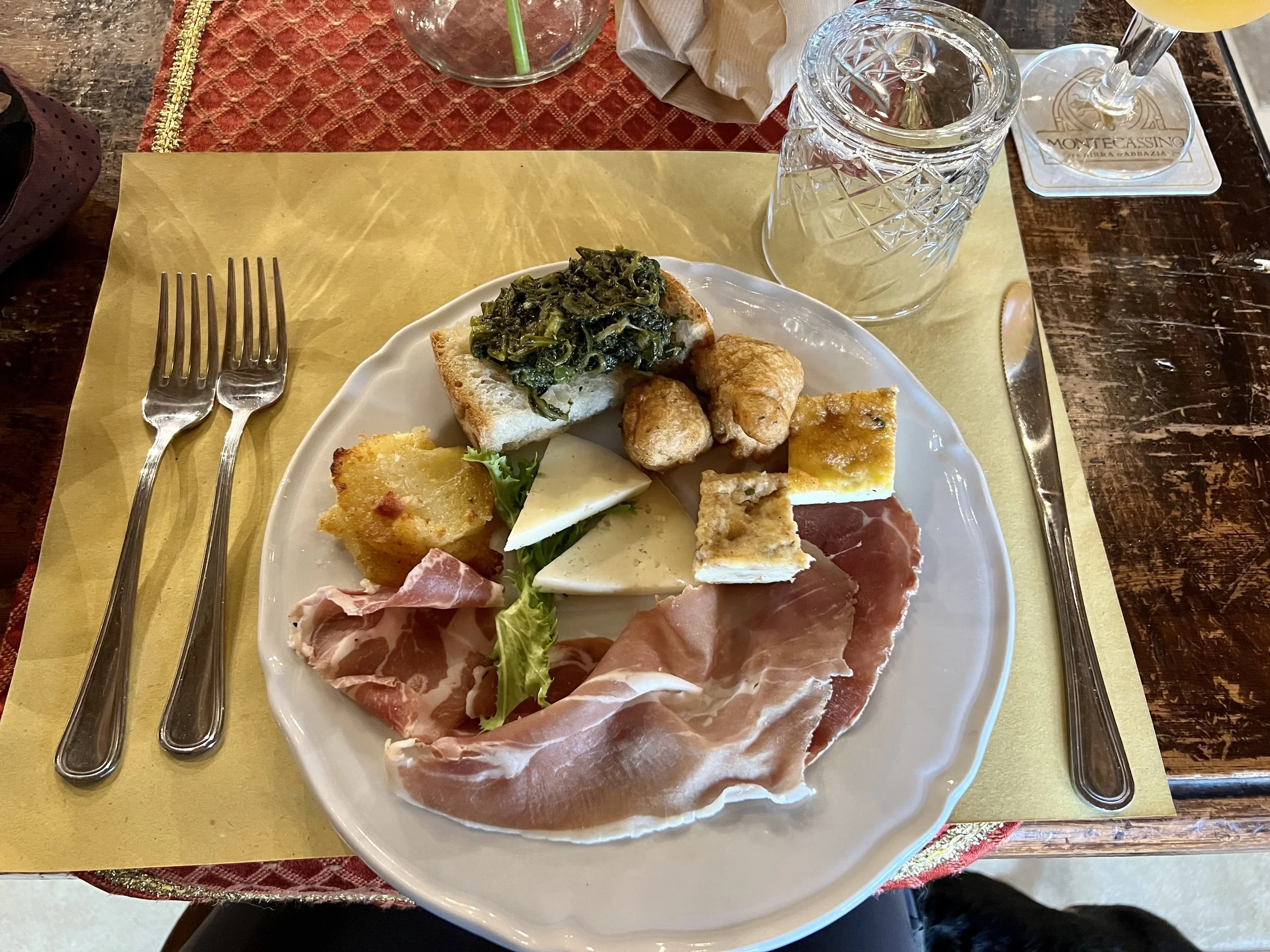
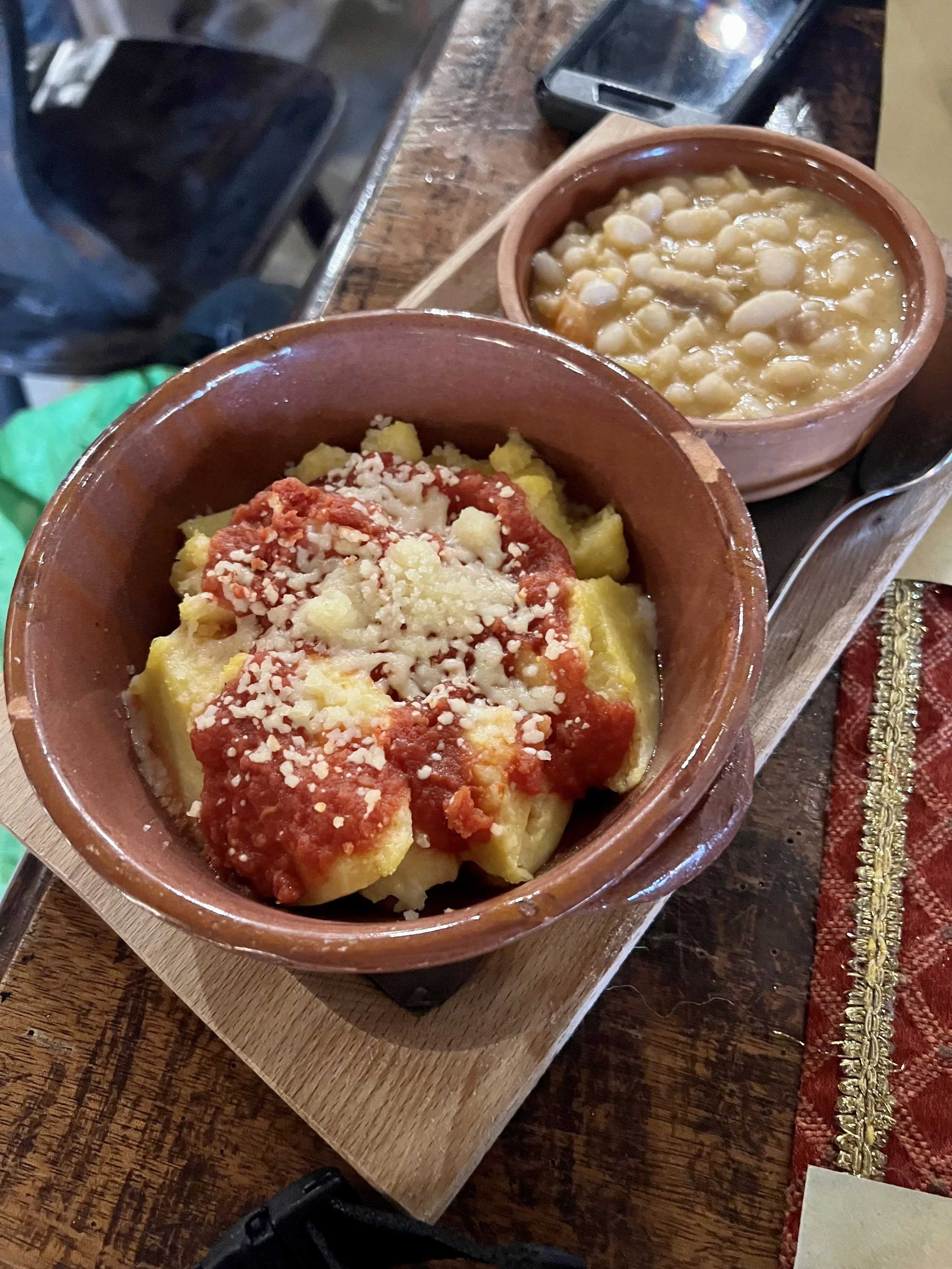
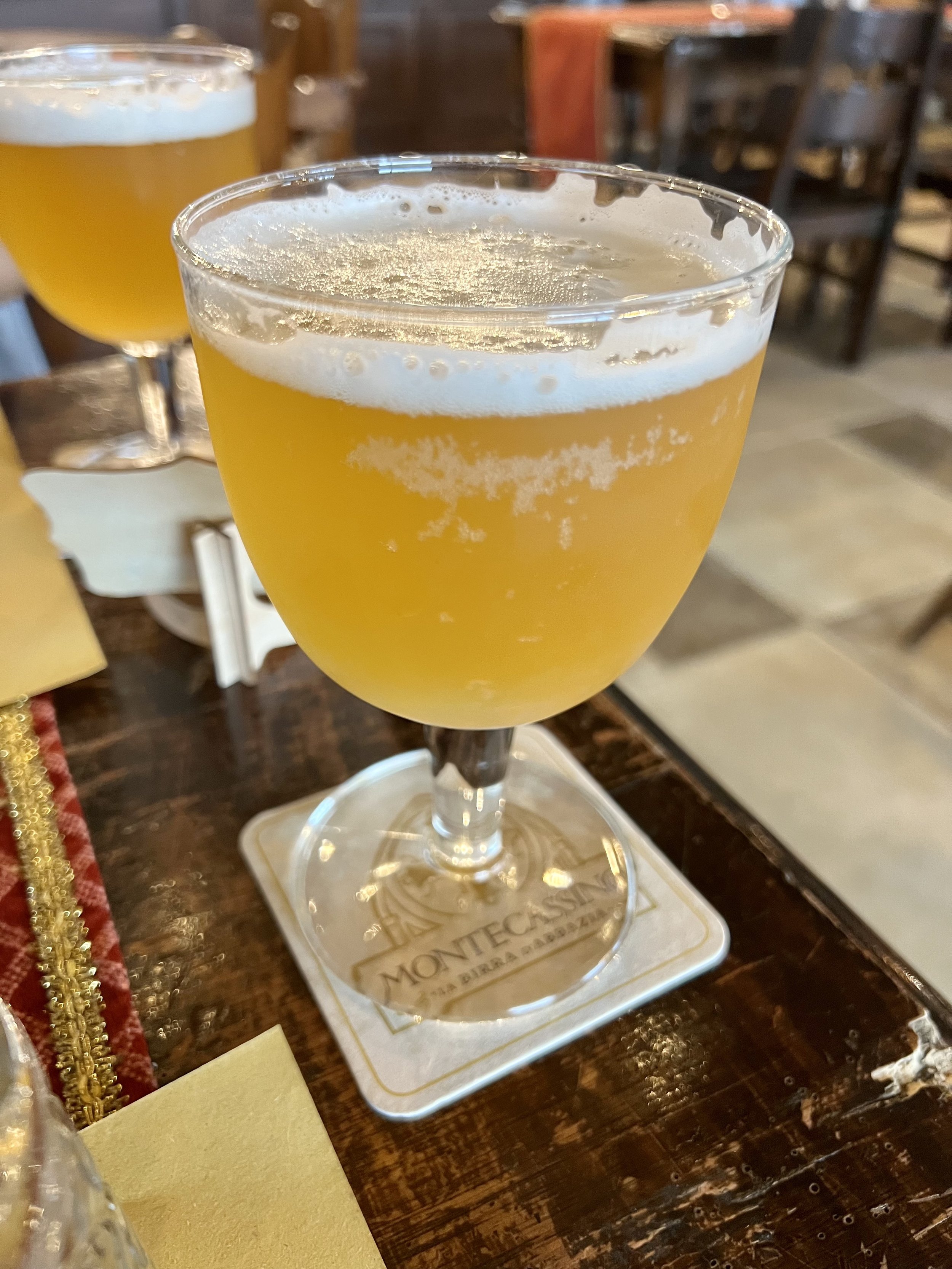
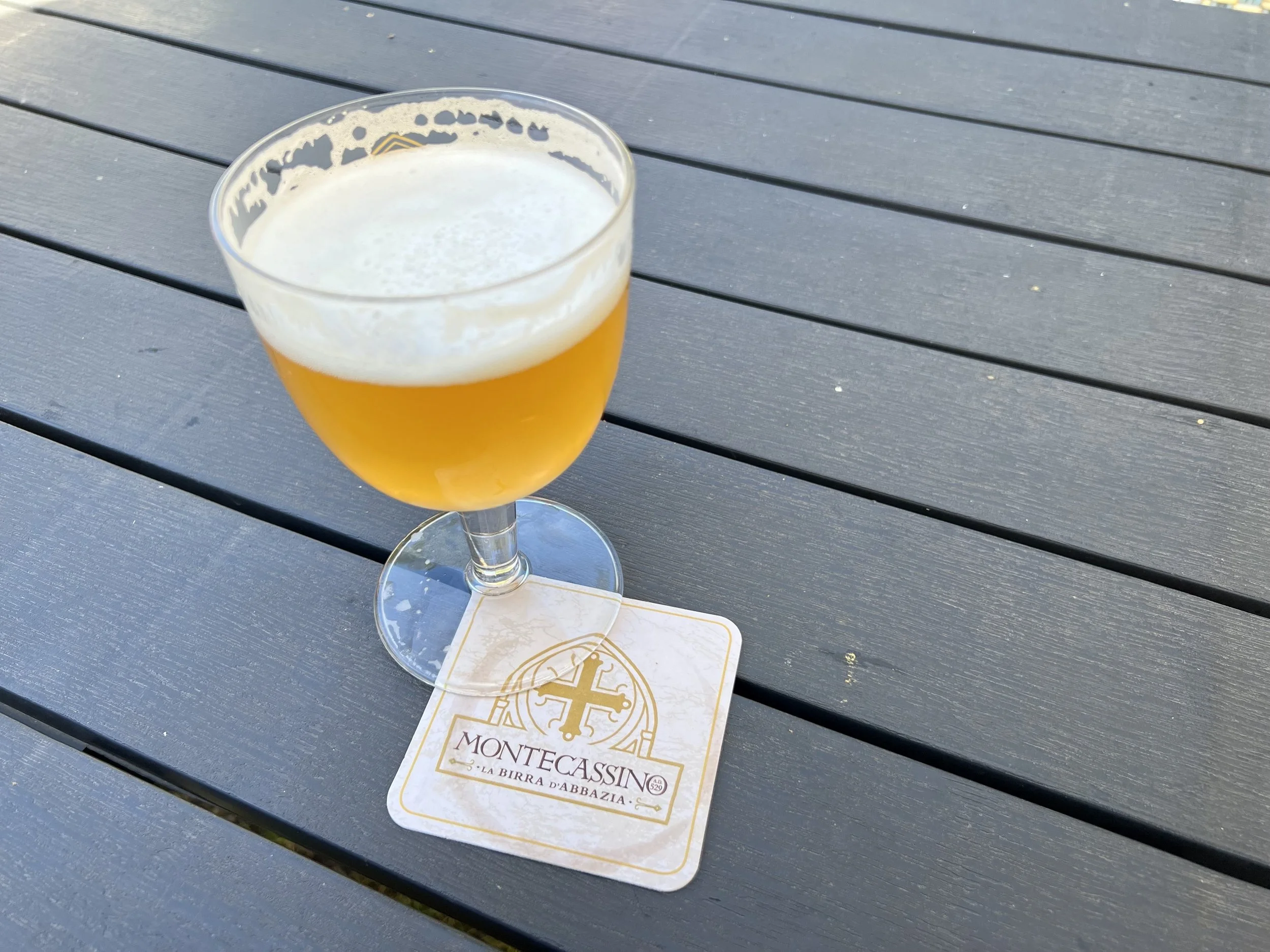
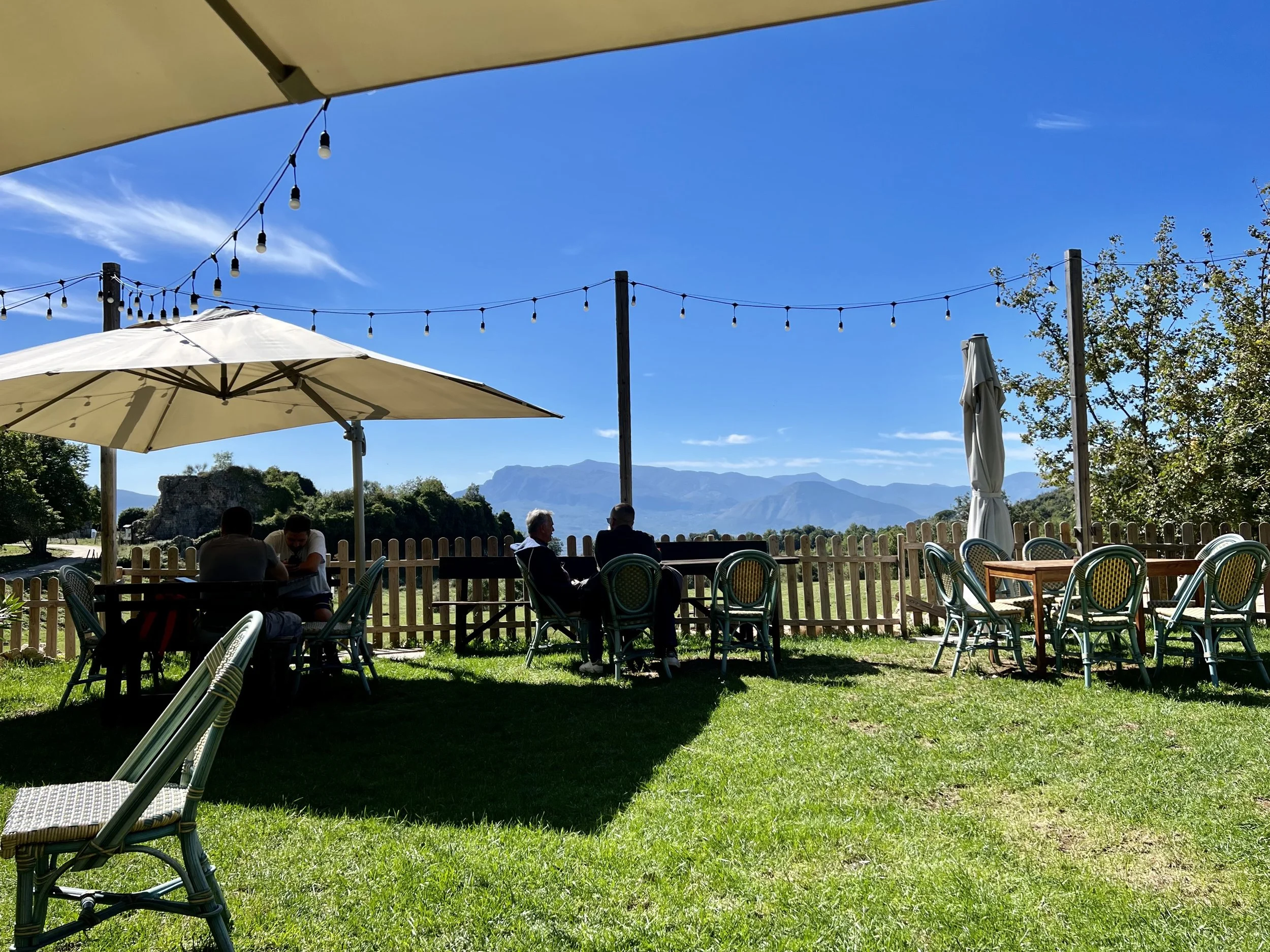
If you’re looking for bits for a picnic, there are plenty of shops in Cassino before you turn up the mountain road to the abbey. The highlight of the walk is certainly being able to visit the Birrificio Montecassino, which brews a few different varieties of beer which you can also buy to take home - plus the abbey’s honey. There’s also a lovely rifugio-style restaurant which does a three-course set menu for 35€, a separate children’s menu and beers on tap. In the summer you can sit outside in the lovely garden, looking over the grazing ponies and cows, and in the winter sit in the big hall being warmed by the open fire. The food was surprisingly good and well priced; we weren’t that hungry and asked just for antipasti which they were happy to accommodate.