SENTIERO DEI LIMONI
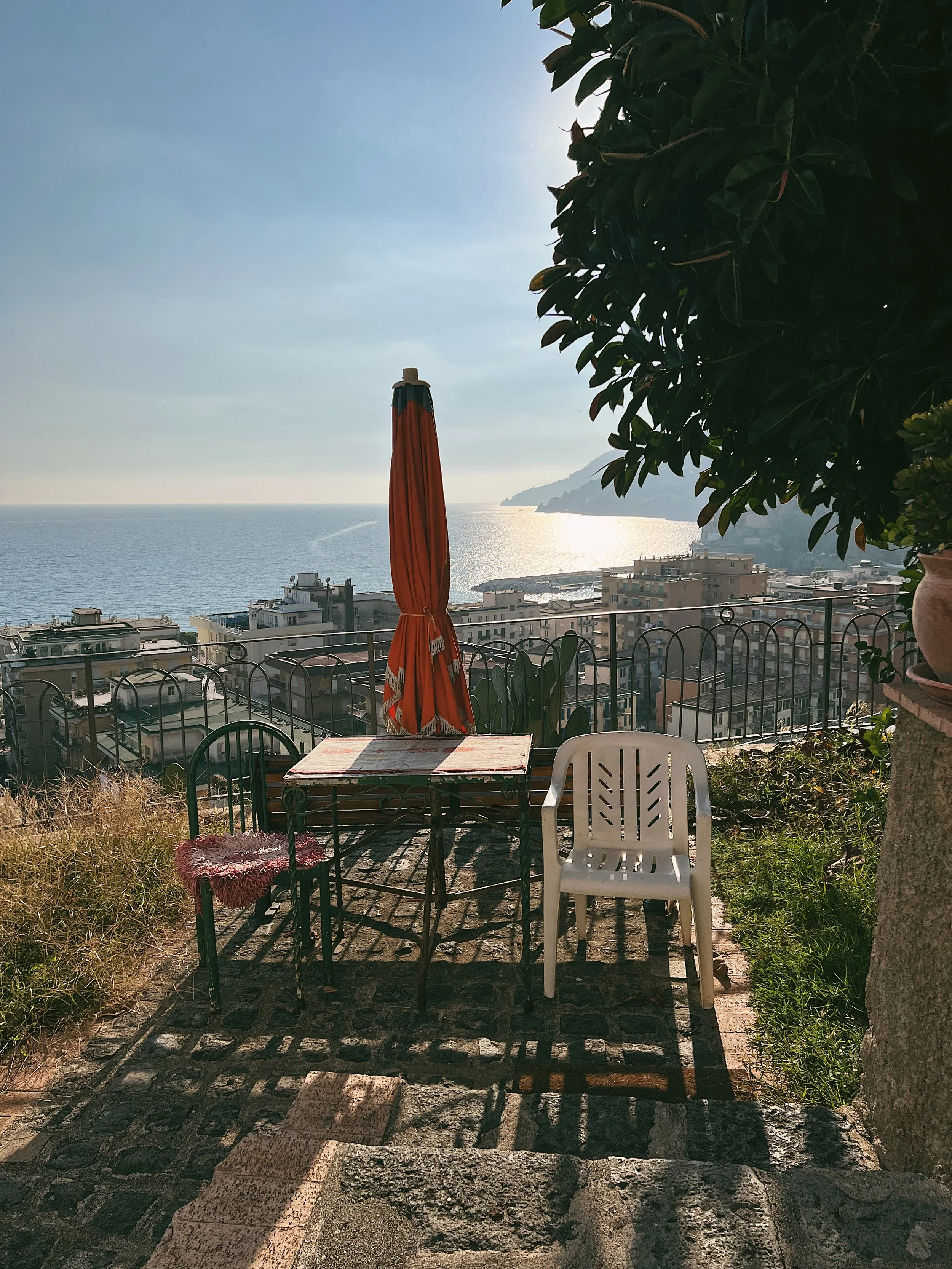
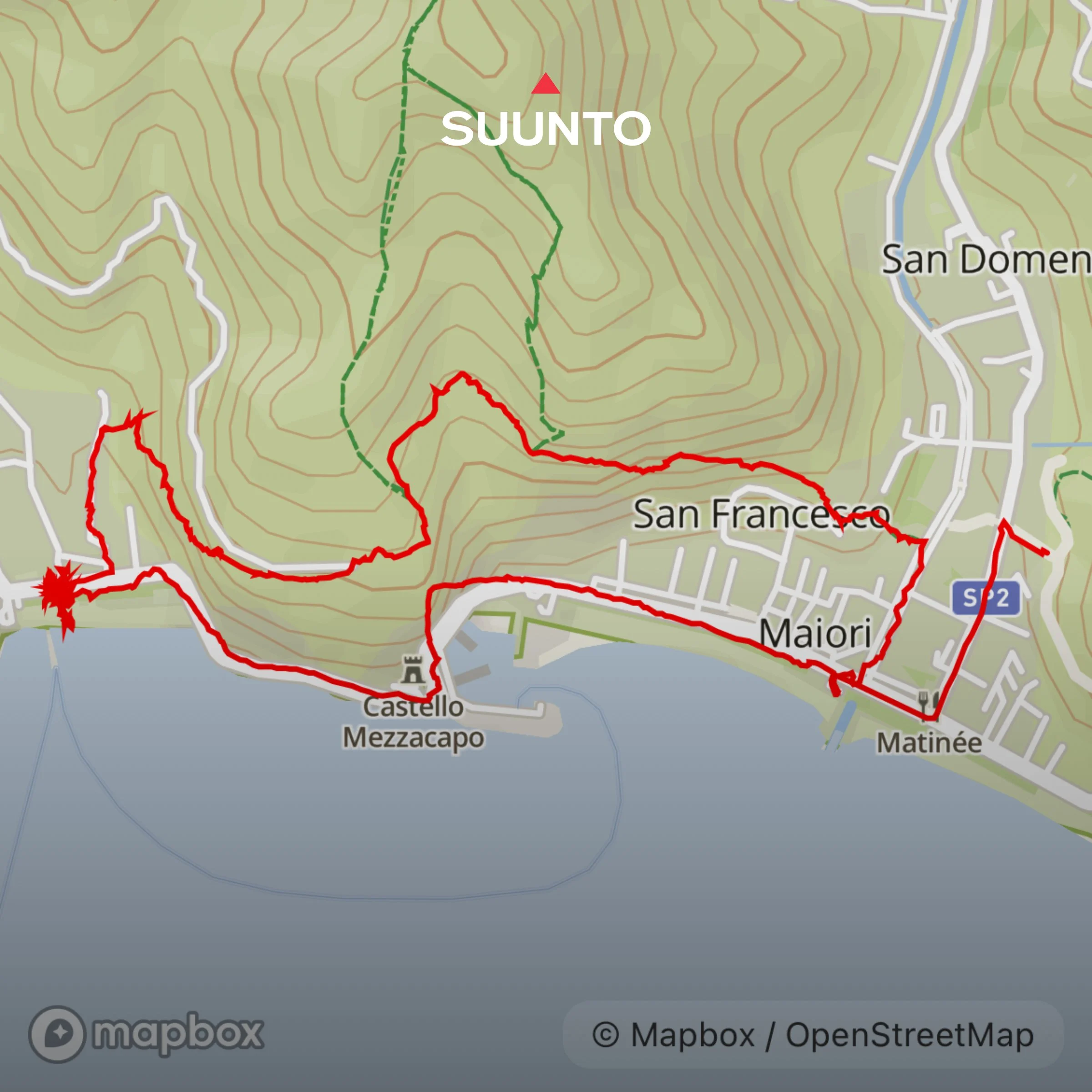
Length: 5 kilometres
Elevation gain: 173 metres
Time: About an hour without stopping
Parking: Maiori Lungomare (next to Ristorante Lounge Bar Lido Eldorado) Coordinates: 40.648127, 14.640466. What3words: ///stows.sobbed.consolation
Best time to go: Anytime, though in peak summer try to keep to the early morning or late afternoon
Terrain: Lots of steps, paved paths
Level: Easy. There are hundreds of steps but plenty of places to take a breather
Suitable for children: Yes, if they are able to walk unaided and manage the steps, or be carried
Suitable for dogs: Yes, but keep on a lead. There are some aggressive dogs living alongside the path and lots of open gardens
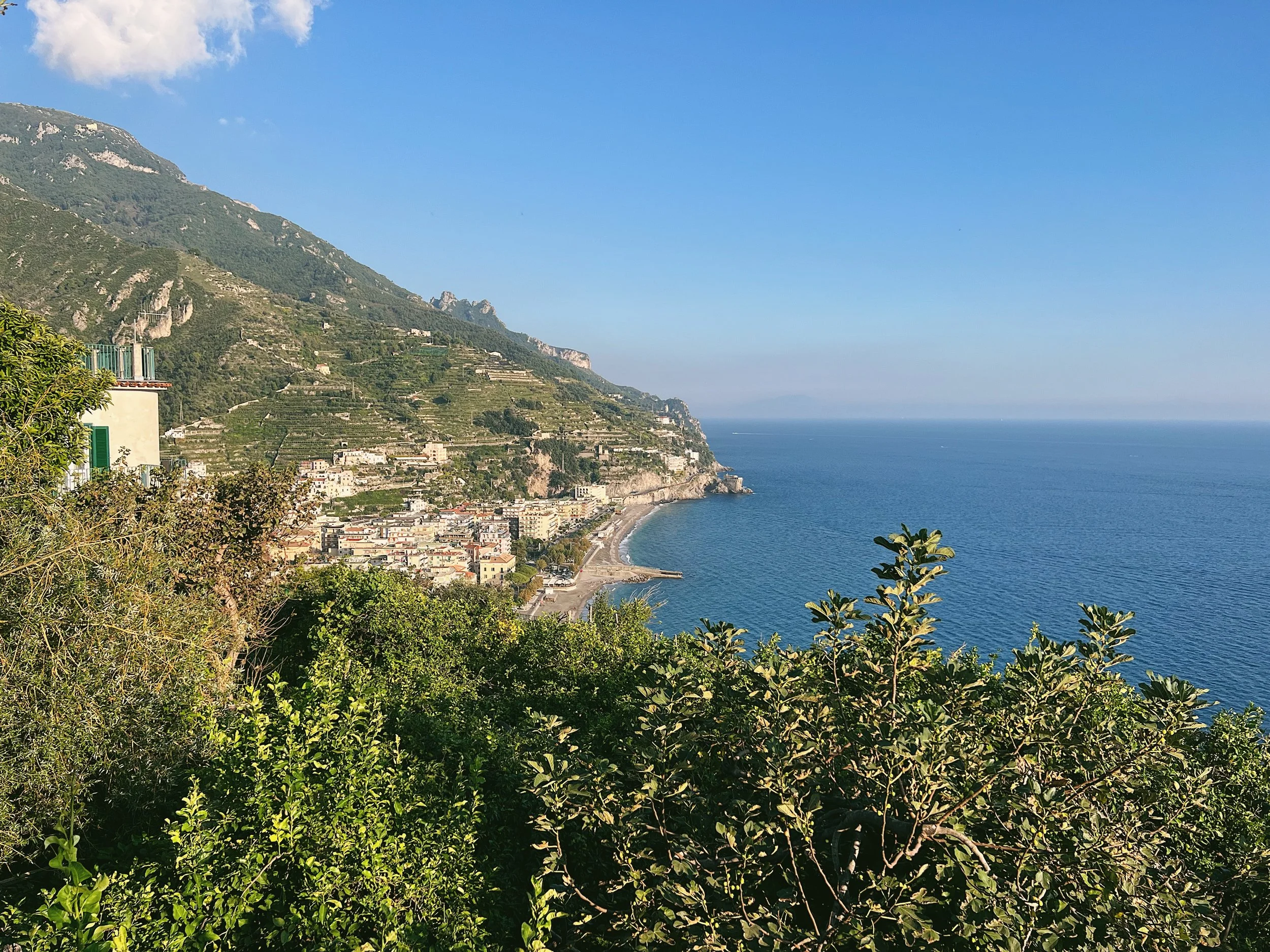
Sentiero dei Limoni: an easier panoramic hike than Path of the Gods, scented by citrus
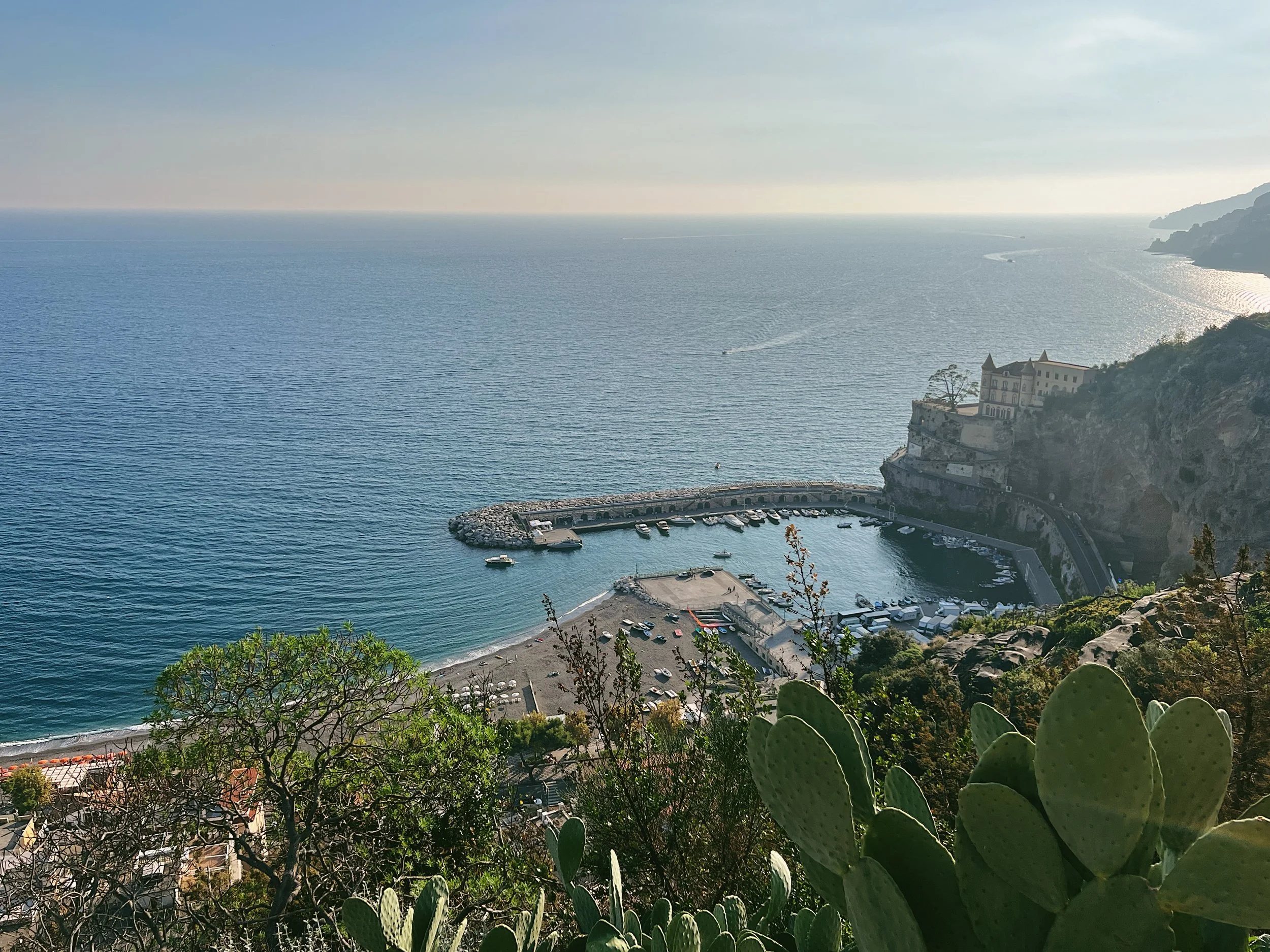
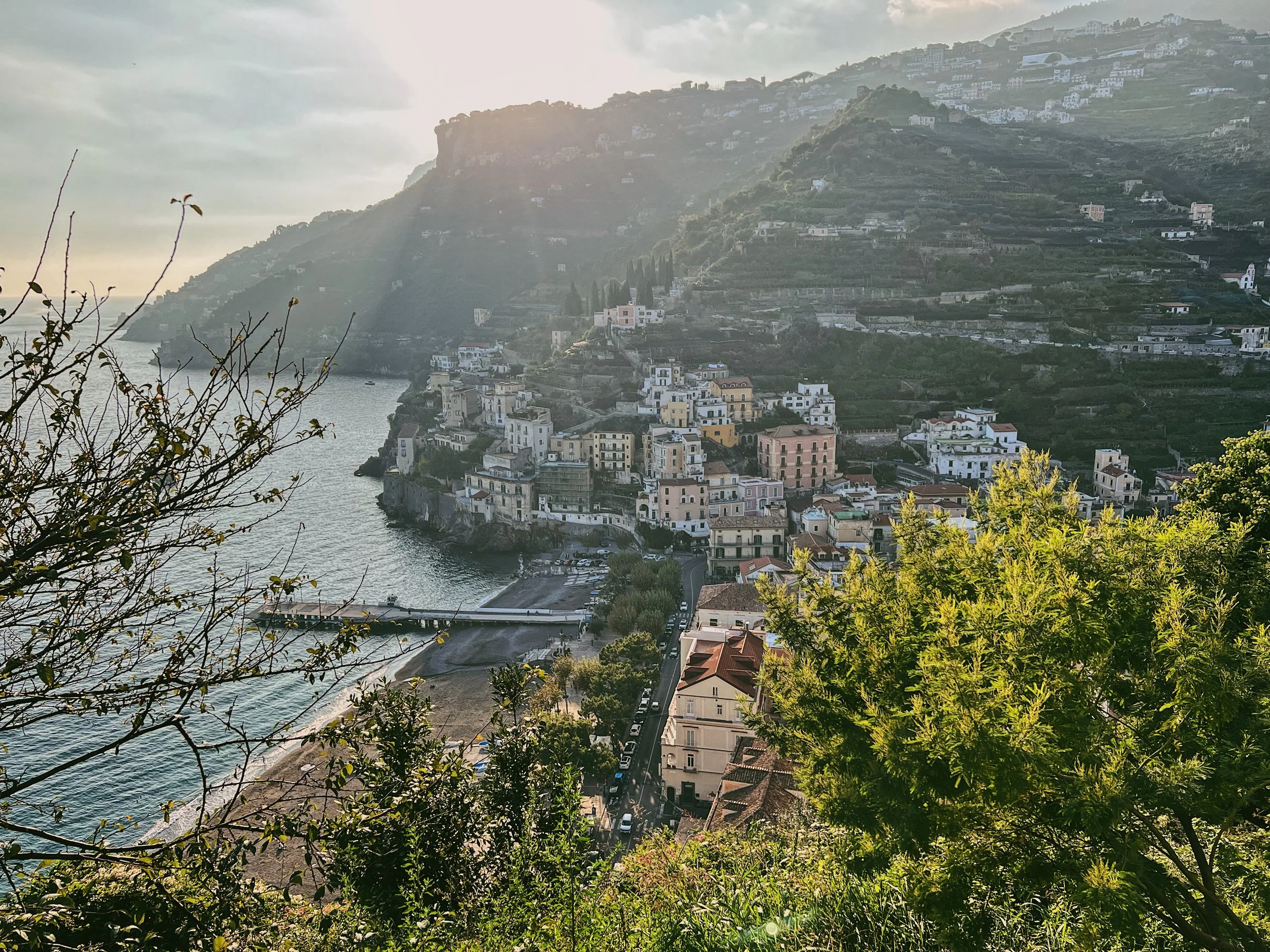
Before the advent of the internet, Instagram, blogging and the like, the Sentiero dei Limoni was largely unknown to anyone outside of the farmers who used the path to transport their lemons down from the hillsides of the idyllic Valley of San Francesco, in between the twin villages of Maiori and Minori on the Amalfi Coast. Before the road was built along the coast, this was the only route between the two villages. Since then, however, people have got to know this short and manageable path, with many using it as a quieter, shorter and easier alternative to the Sentiero degli Dei.
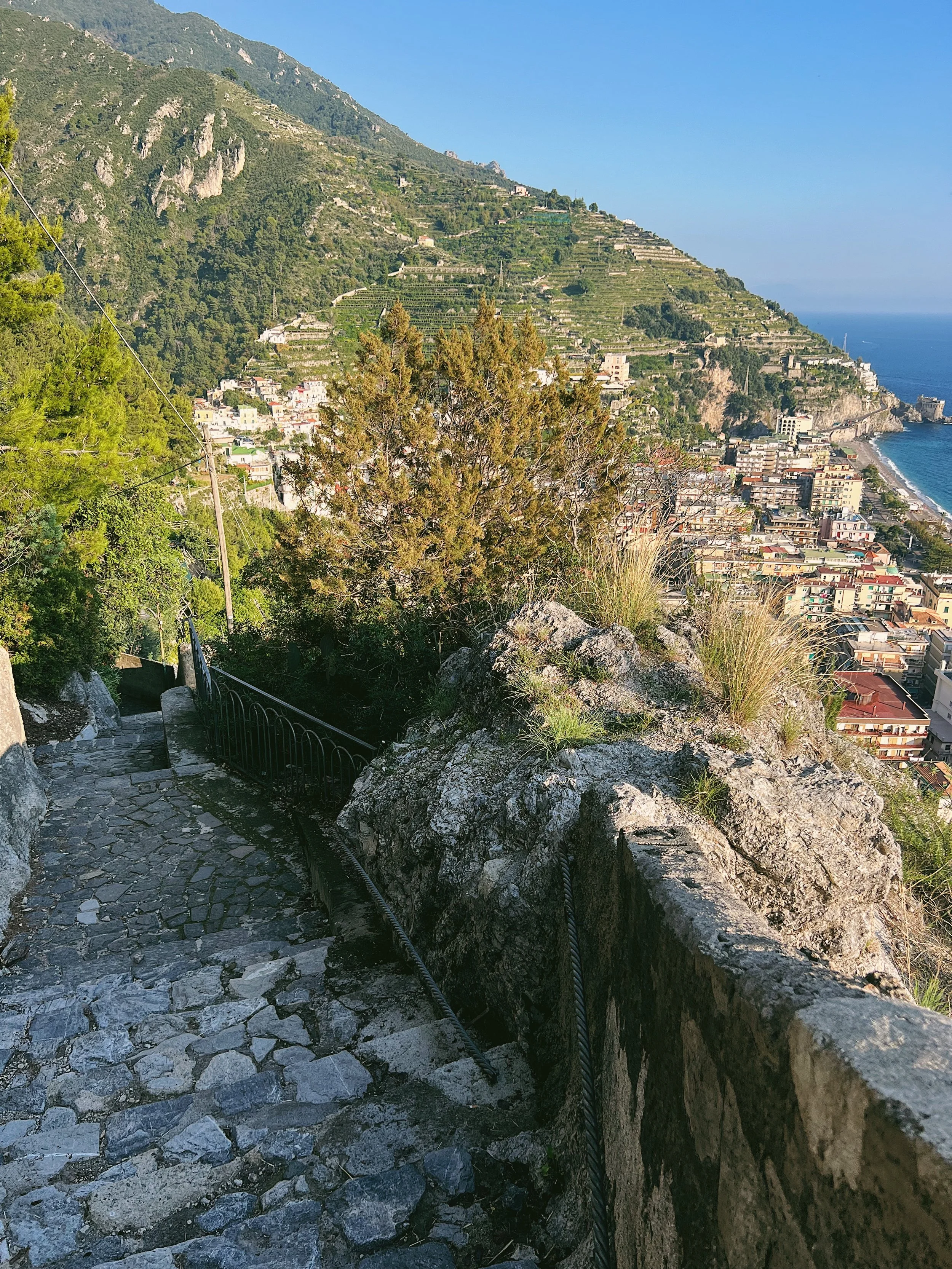
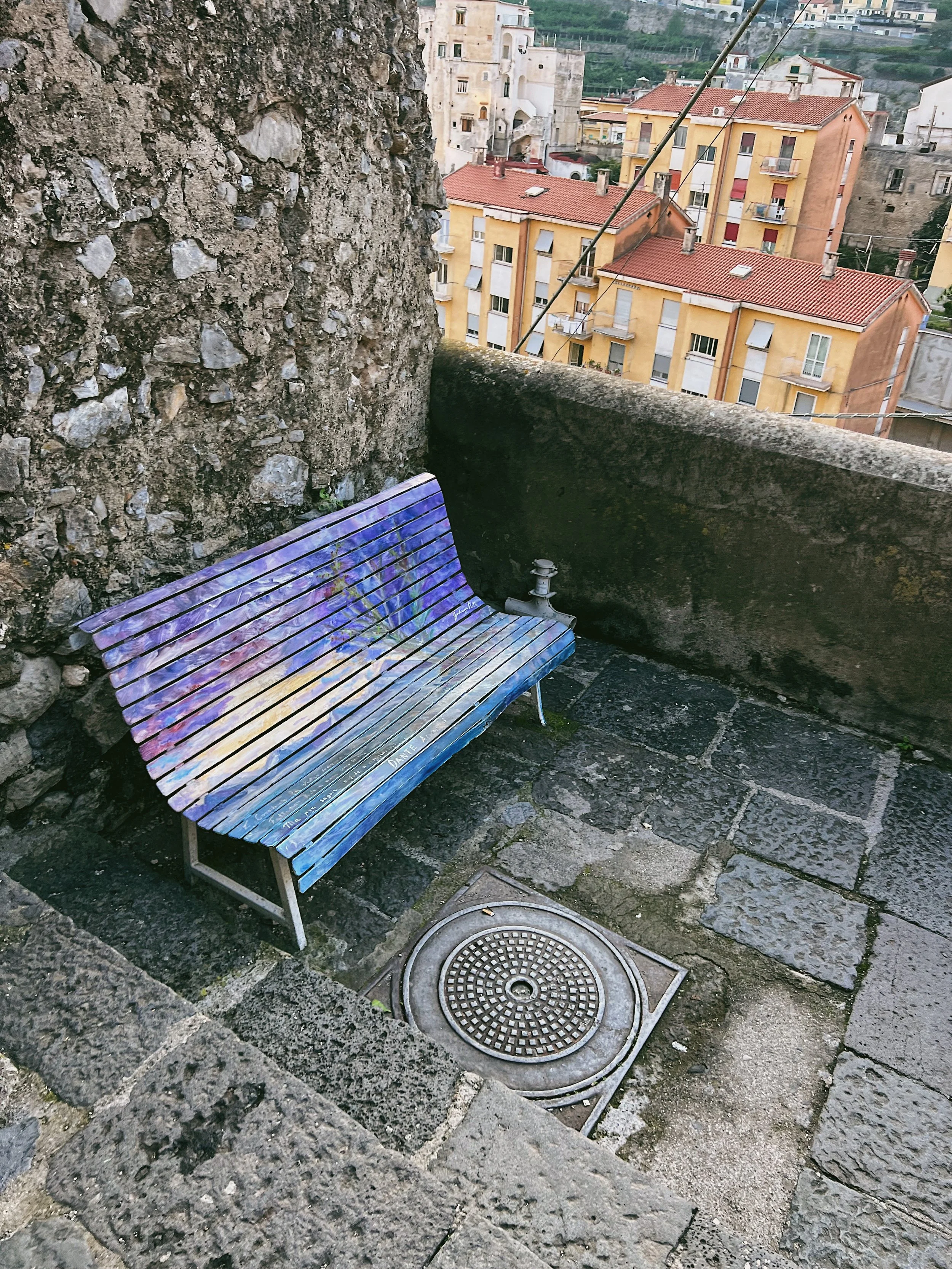
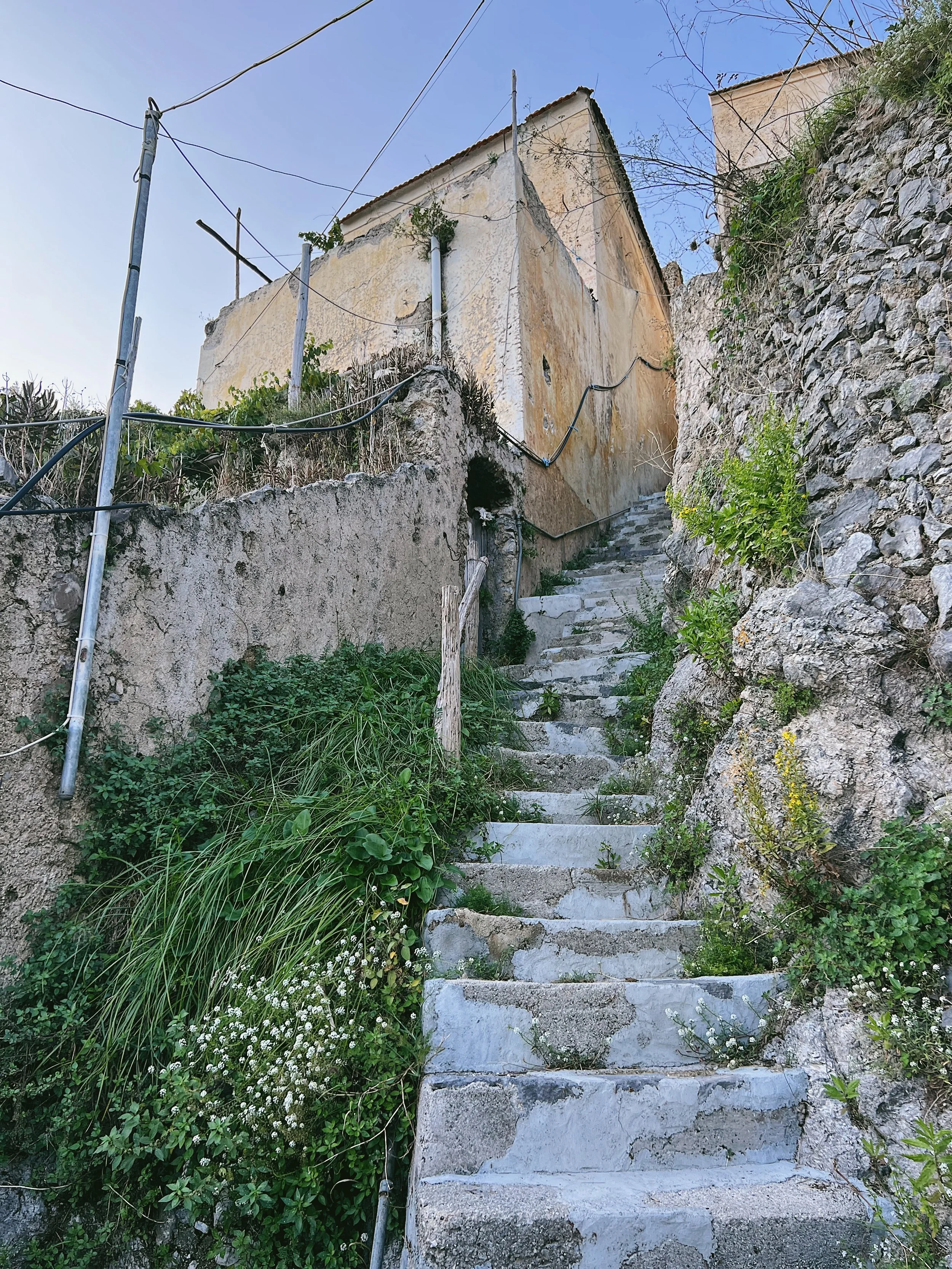
While it is an easier option, it’s not the most accessible as there are hundreds of stairs up and down between the two villages. However, the steps are manageable for anyone with even the most basic level of fitness and you’ll have plenty of opportunity to stop and catch your breath, as well as the view, along the way. I would describe this as somewhat ‘urban hiking’, as the trail is paved almost the entire way and includes hand rails, plenty of signage and a number of benches where you can take a breather. It’s a great introduction to hiking on the Amalfi Coast, which can be badly signposted and not well maintained.
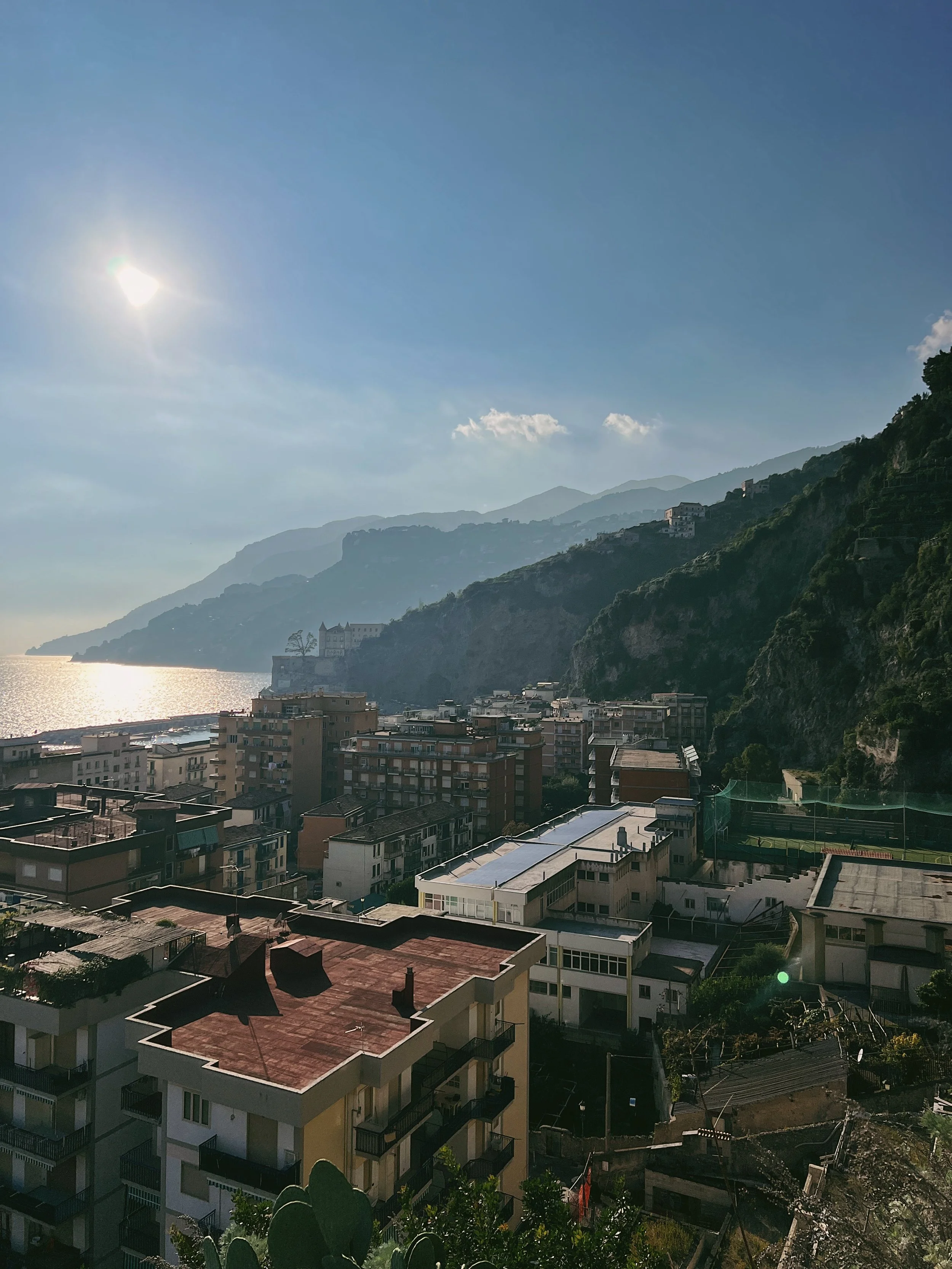
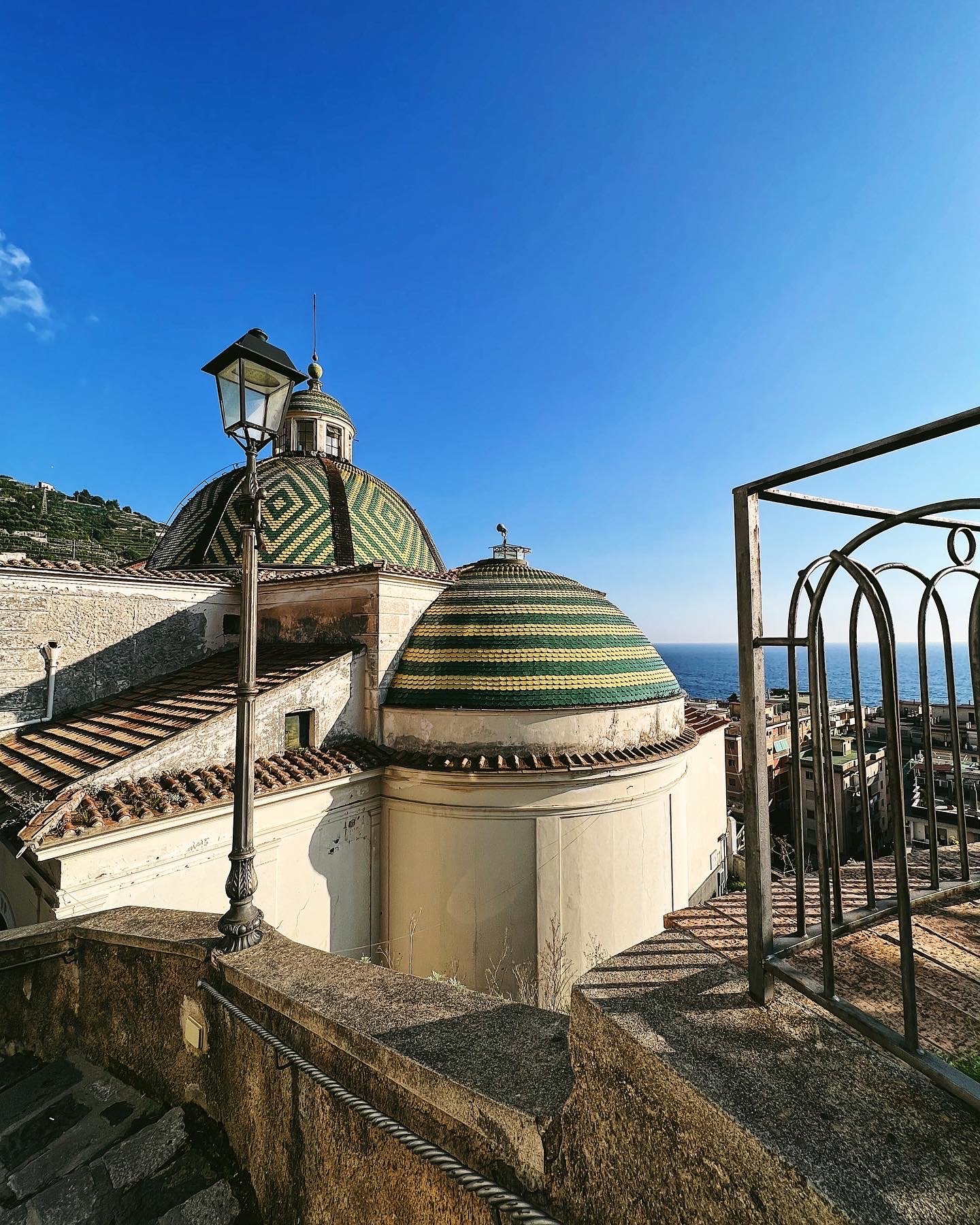
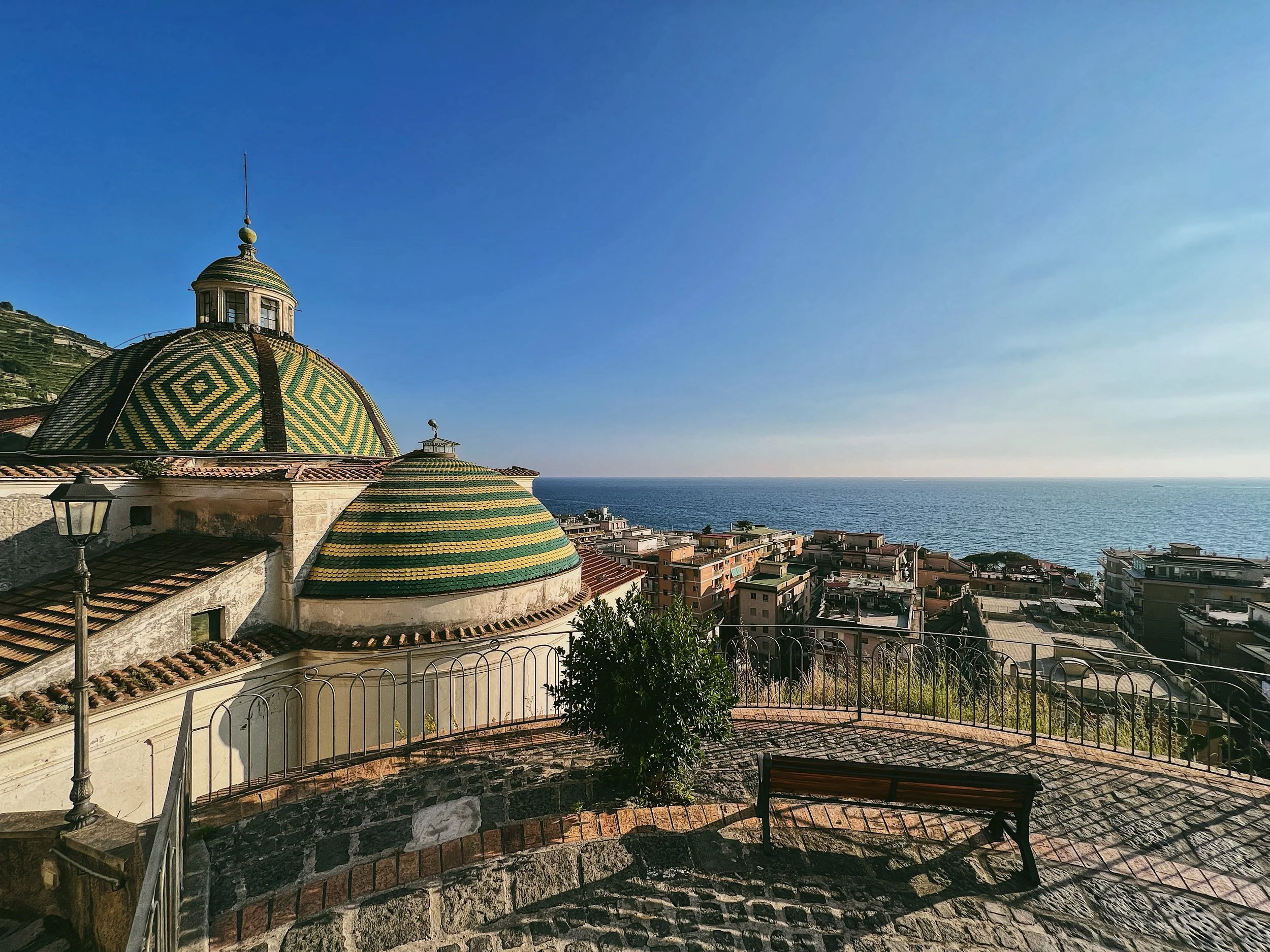
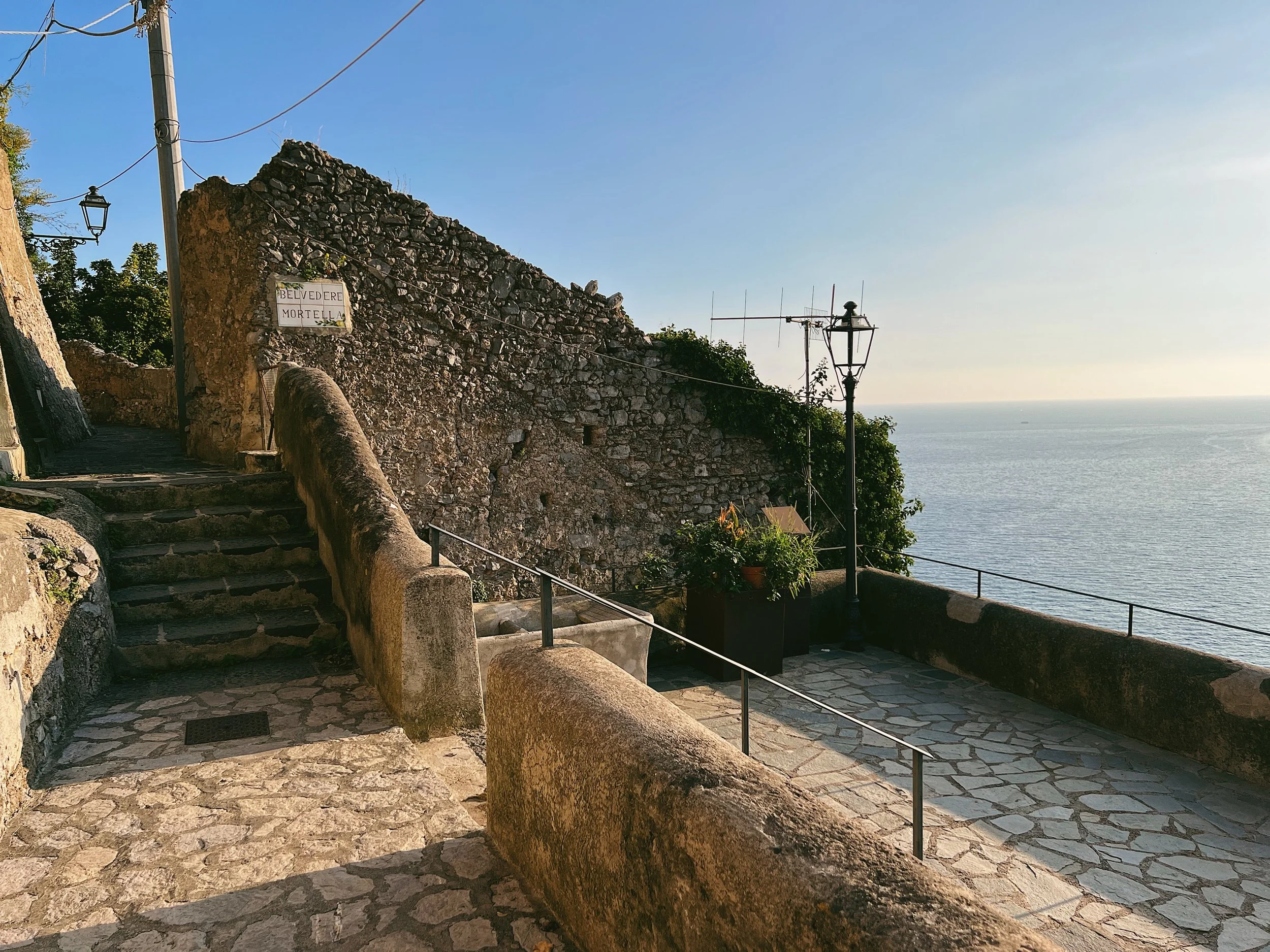
The most common way to walk the route is from Maiori to Minori, east to west, which allows you to get the most steep part over early on, and the chance to get something to eat in Sal de Riso, the world-famous pastry shop, when you’ve almost finished. To walk back you can take the road, which is just 10 minutes along the edge of the coast, compared to the hour or so on the traditional path. This route begins in the centre of Maiori, passing a number of sights recognisable from Roberto Rossellini’s 1946 film, Paisa. The path then climbs steeply up to the Santuario Santa Maria a Mare, which dates back to the 13th century and is famous for its twin majolica tiled domes in the characteristic yellow and green colours of the Amalfi Coast’s lemon groves. Inside there is a 11th-century Byzantine wooden statue, which was found at sea wrapped in cotton. The church is in one of the oldest parts of the town and has a beautiful view out to sea. Before dipping back down to Minori , there is an option to take a right-hand alternative up to Ravello. This detour takes about 90 minutes and is a strenuous climb, passing the 16th-century convent of San Nicola and onwards to Villa Rufolo. From here, you can take the steps down directly to Minori. Before you reach the main village there is the small hamlet of Torre, meaning ‘tower’, and the Mortella viewpoint, which has a magnificent view over the coast.
Flora and fauna
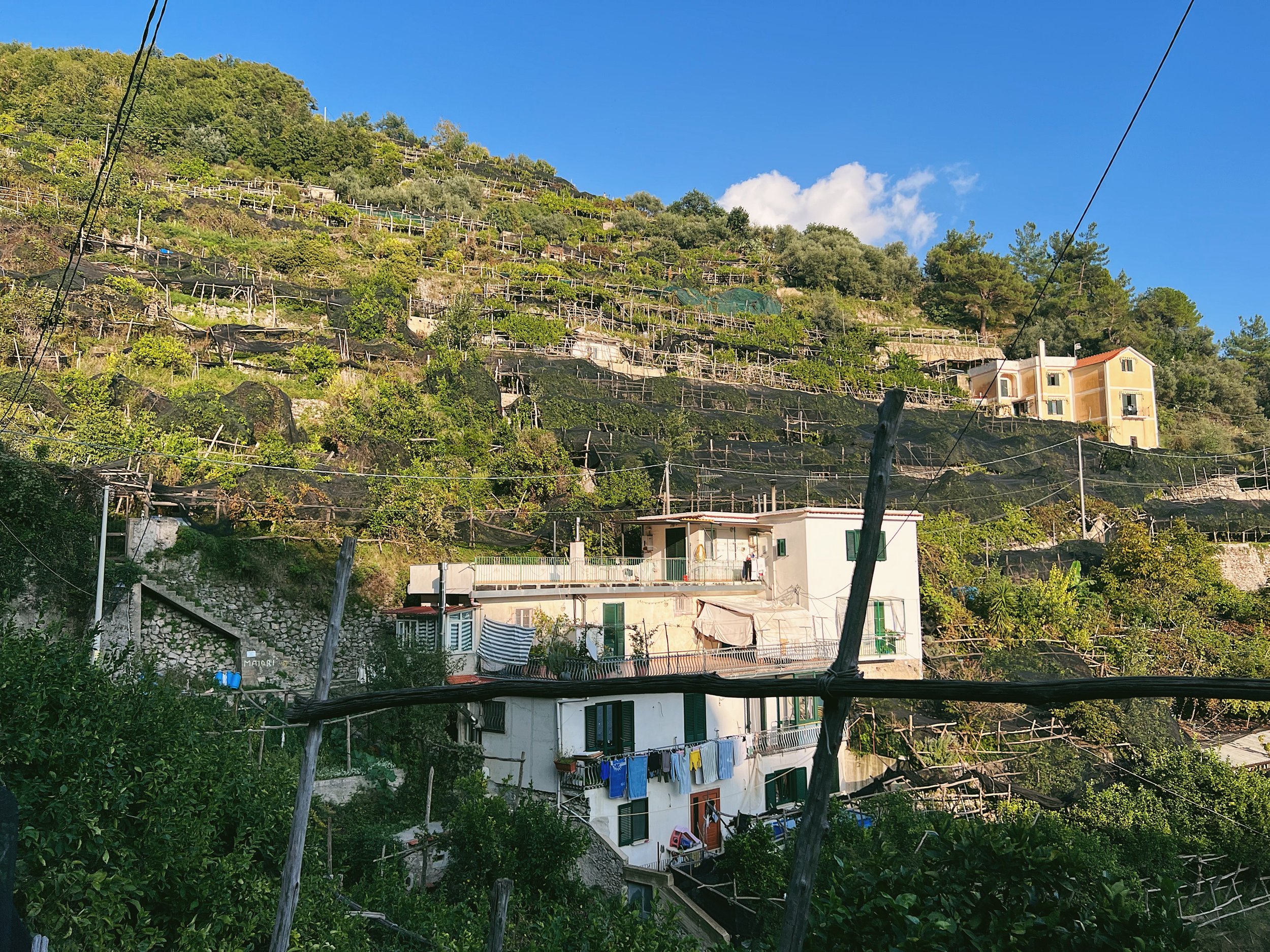
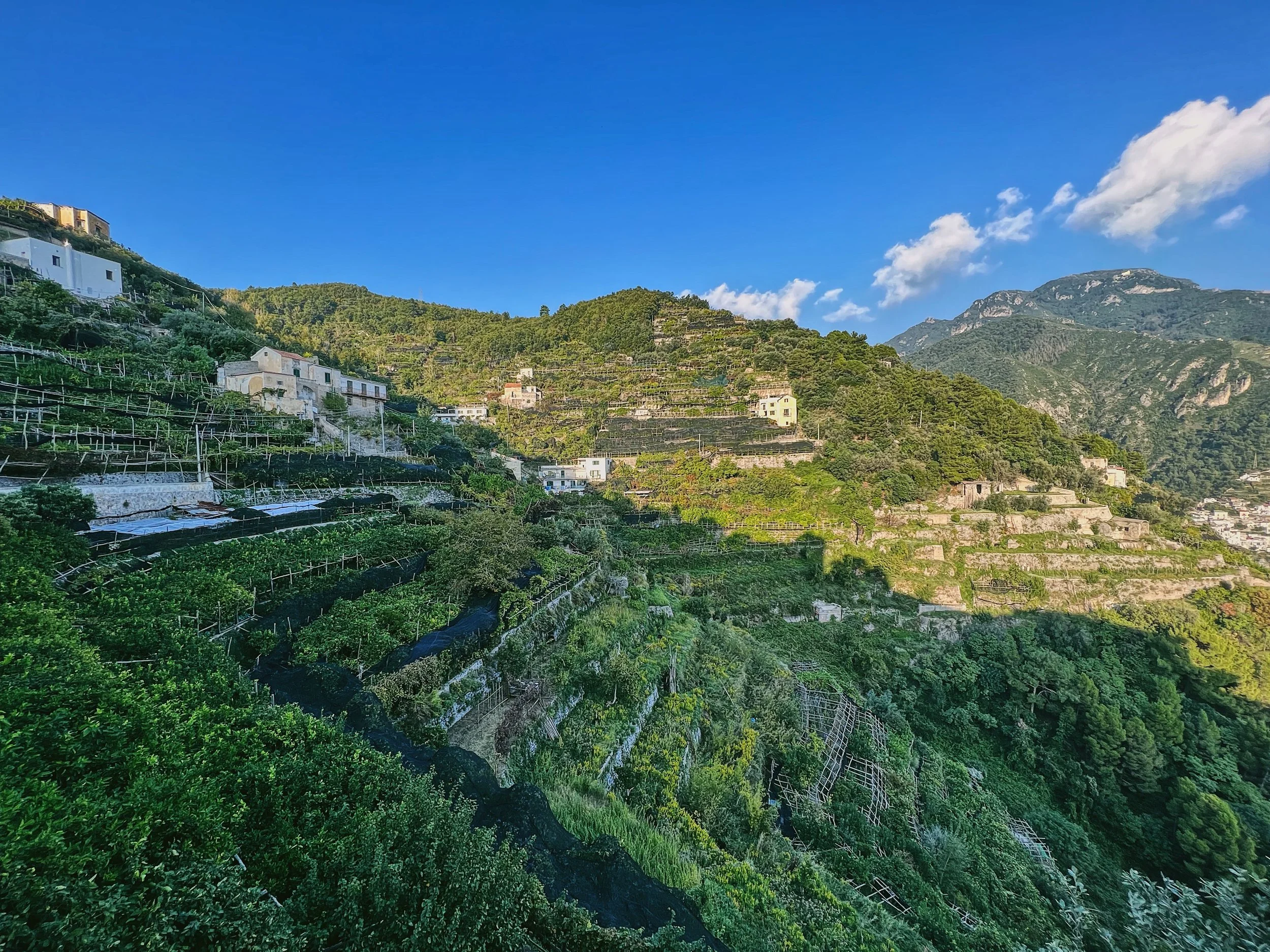
The main draw is, of course, the abundance of lemons which grow in terraces on both sides of the trail, though it’s worth noting that lemons growing on the Amalfi Coast have a long season and there’s no exact time to pinpoint when the trees will bear the most fruit. Most of the harvest is done between March and October, though there is plenty of opportunity to see lemons (and the donkeys that are used to collect them) outside of these times. Otherwise, there are lizards, butterflies, interesting flowers and all manner of dogs and cats which live alongside the path. The main landscaped is a mix of the fragrant Mediterranean scrub, highly scented with herbs, and the waxy leaves and fruit of the lemon trees. There are also carob trees, olive trees and vines from small vineyards that sit alongside the path.
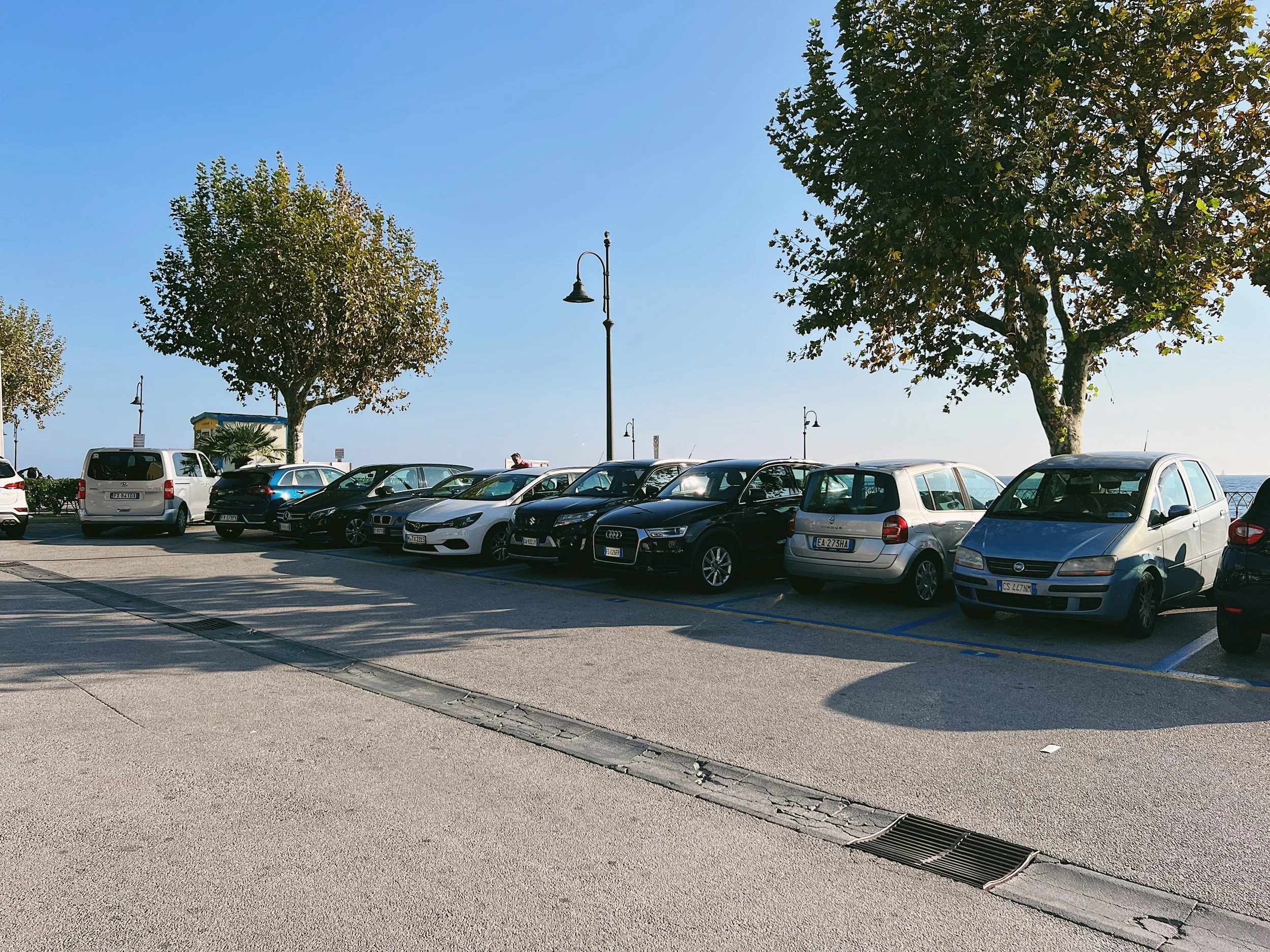
How to get there and parking
To get to Maiori you’ll need to navigate the Amalfi Drive, whether you come from the east from Vietri sul Mare (the shortest, and easiest, route) or from the west via Positano by taking the road over the middle of the Sorrentine Peninsula. The road is narrow and winding, with steep drops off to the side, frequent buses and, in peak summer, heavy traffic. Despite all of this, it’s a beautiful drive and renowned as one of the world’s best car journeys. Just watch out for other traffic - it helps if you can put your wing mirrors in while driving as every centimetre counts on some of the bends.
Parking in Maiori is relatively easy and there are a few options, though you want to be as close as possible to Corso Reginna, a two-lane road separated by a wide, pedestrianised terrace which has a number of pavement cafes (it’s worth noting also that this road is for residents only - don’t try and park along here). The closest is the small car park on the Lungomare, behind a tabacchi and the Ristorante Lounge Bar Lido Eldorado. There is also a private parking area, La Grotta Parcheggio, on the main road towards Minori.
Signage and trails
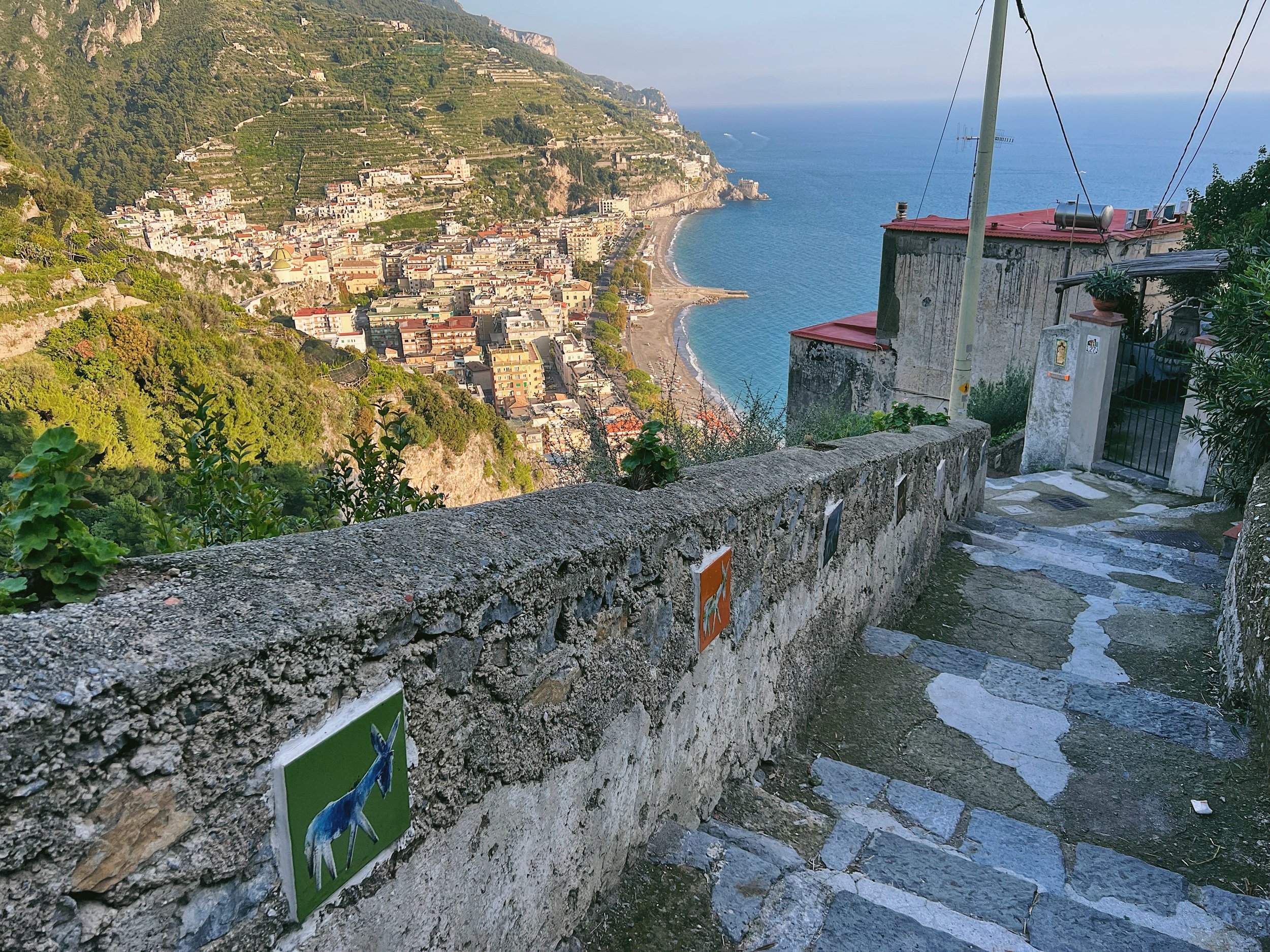
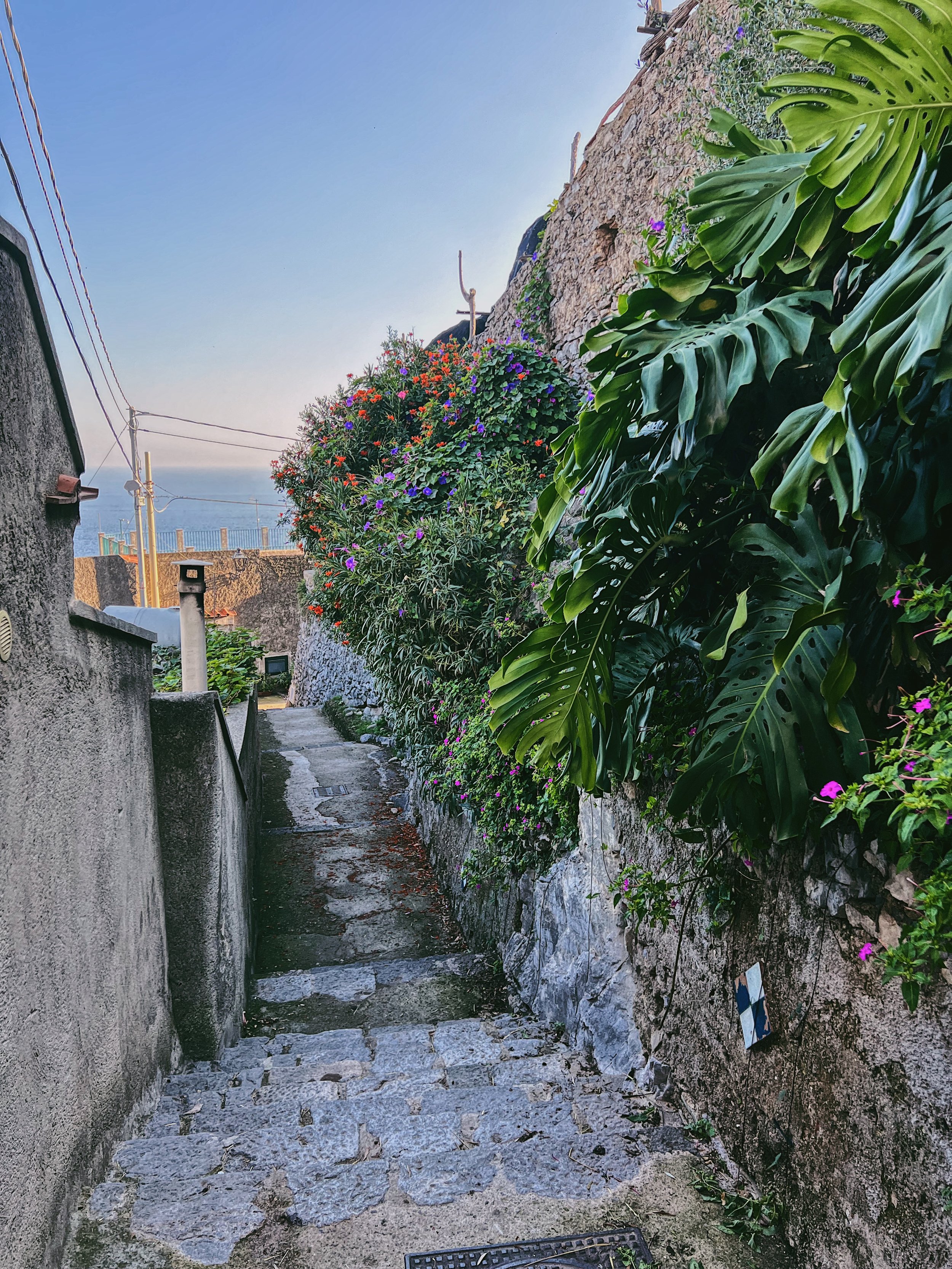
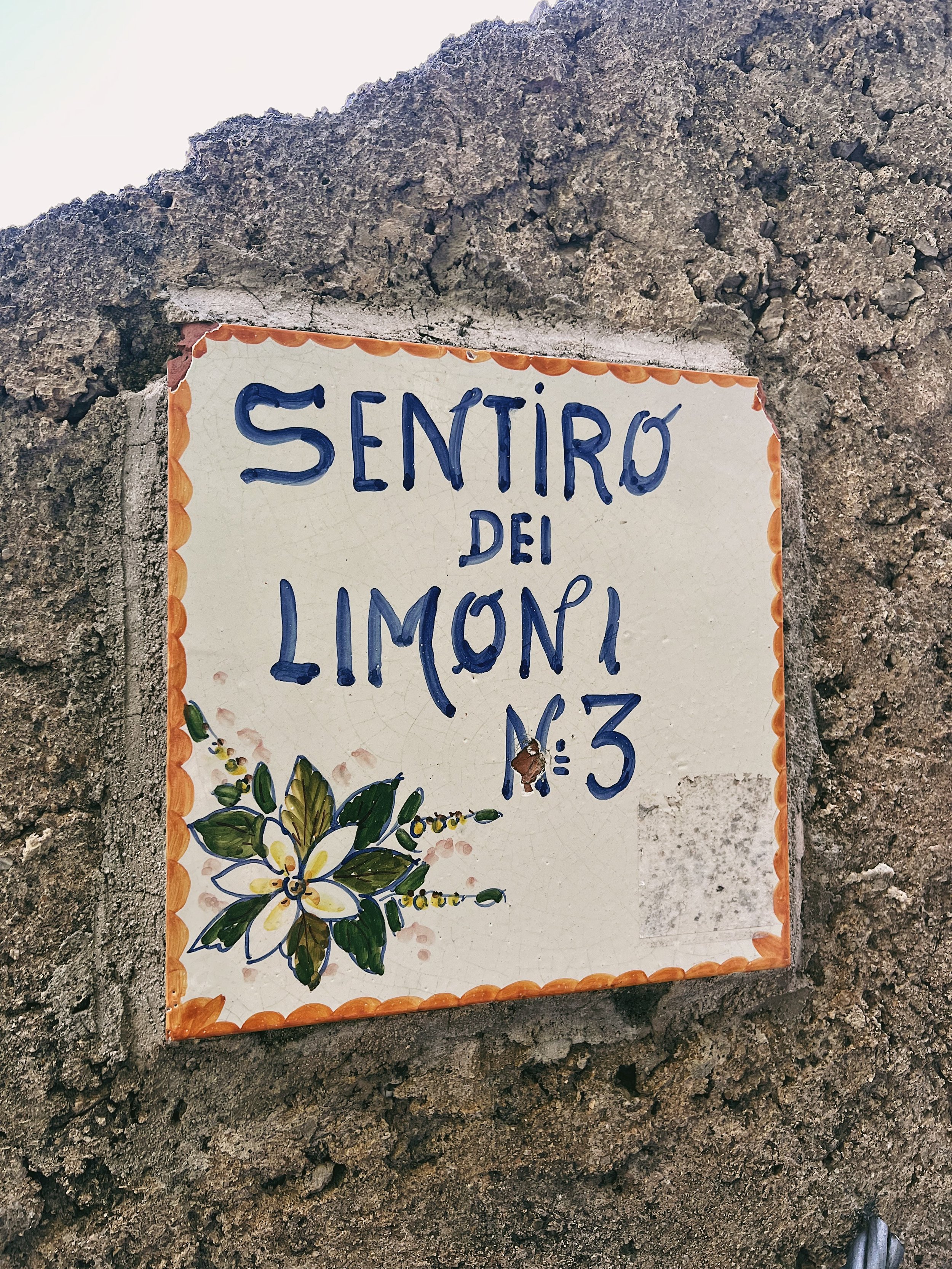
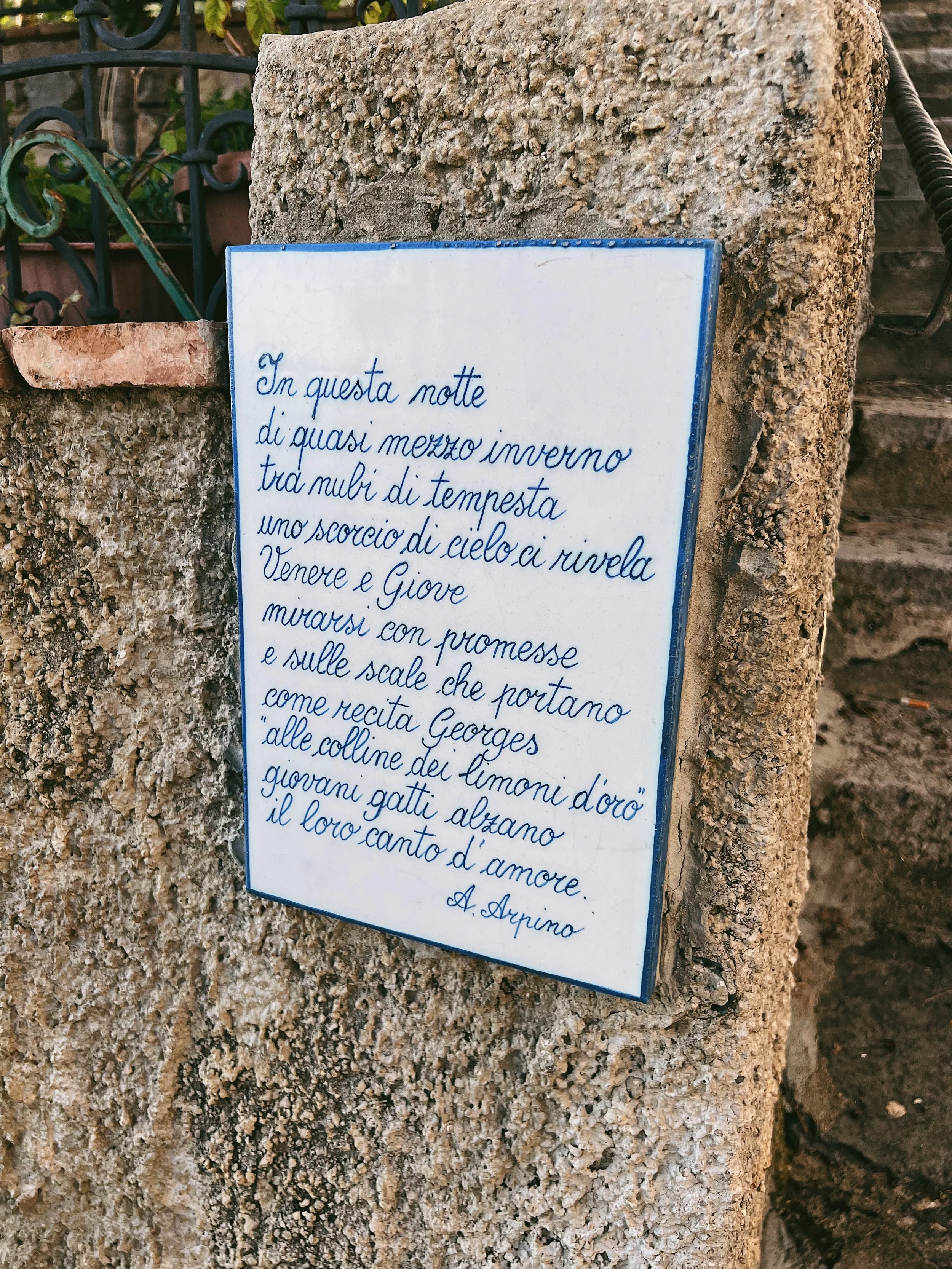
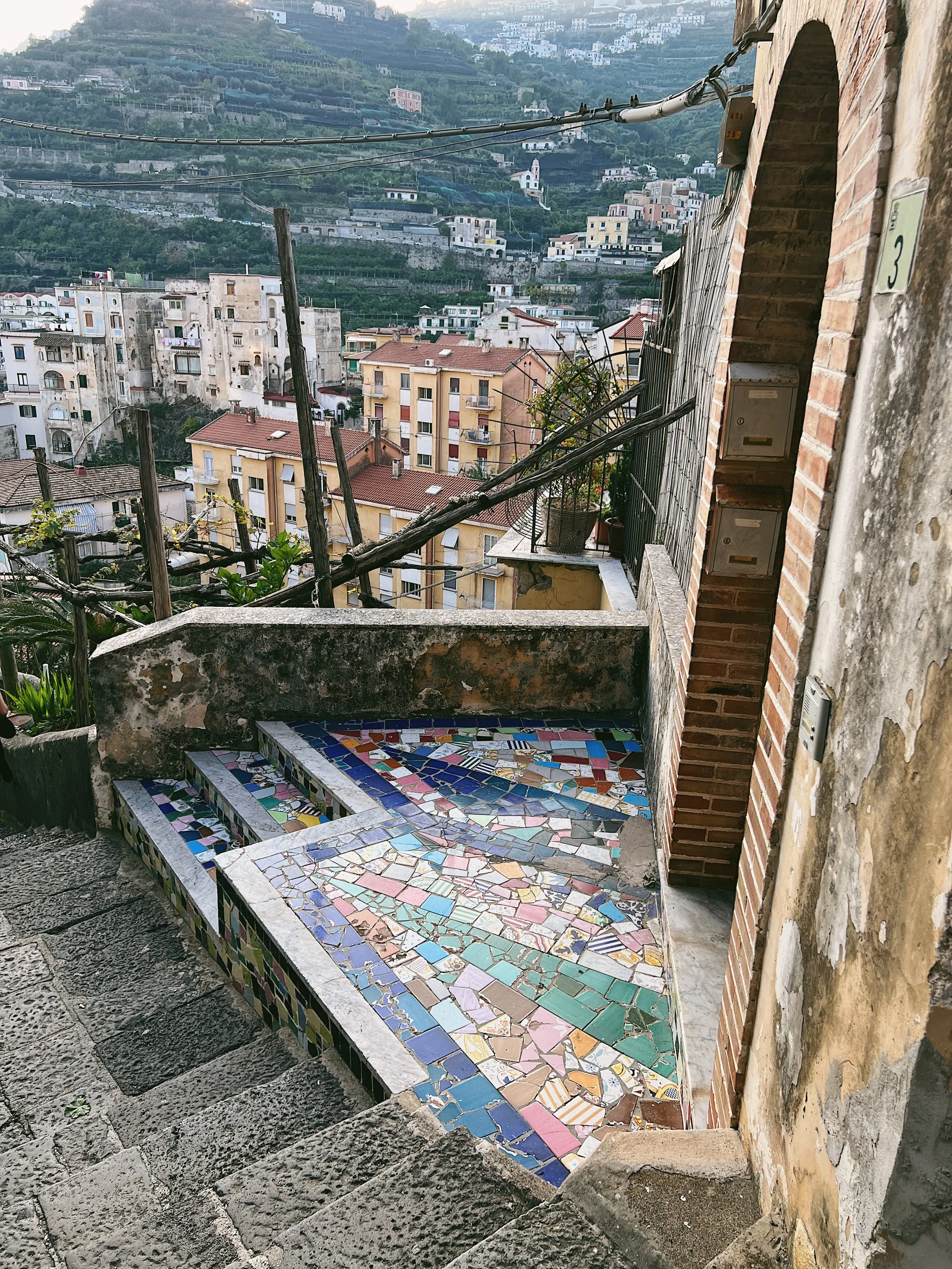
The route is well marked by a variety of painted tiles, handwritten signs and traditional markers. Many of the signs have poems or short sayings on them. There’s only one really distinct path, so it would be quite hard to get lost.
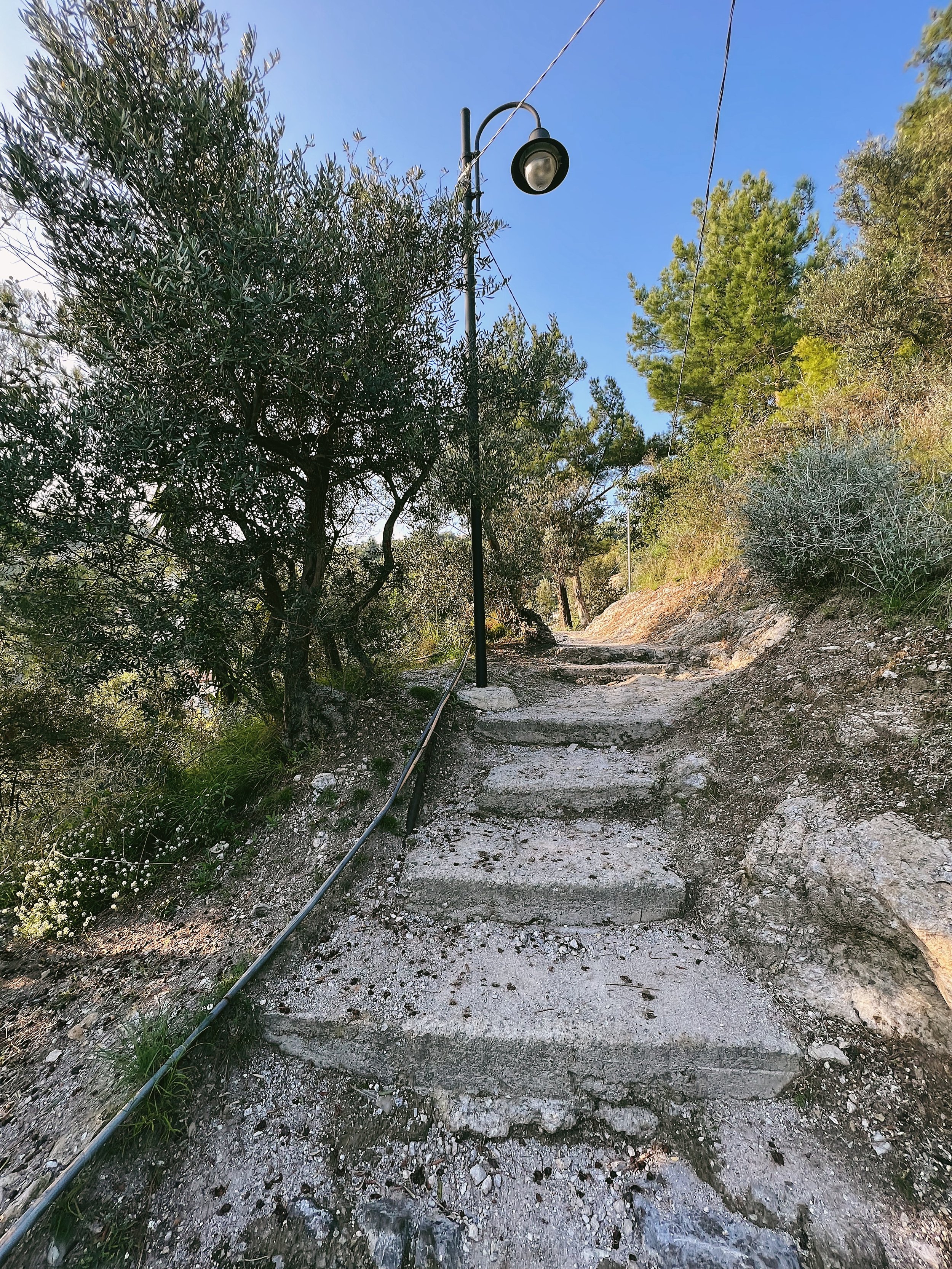
The path is stable underfoot for almost all of the duration of the hike, with a mix of tarmac, concrete and paving. There are a LOT of stairs - several hundred - but the first section has lots of spots where you can take a breather, or sit on a bench and enjoy the view. After the steep uphill, the path levels off and is mostly flat for the middle section before dropping down into Minori via a series of, you guessed it, more steps. To get back to Maiori the easiest way is along the road, hugging the outside bend (remembering to walk INTO the direction of traffic). This is perfectly fine as there is a traffic light controlling the busy corner, just keep a close hold on small children and dogs.
Route
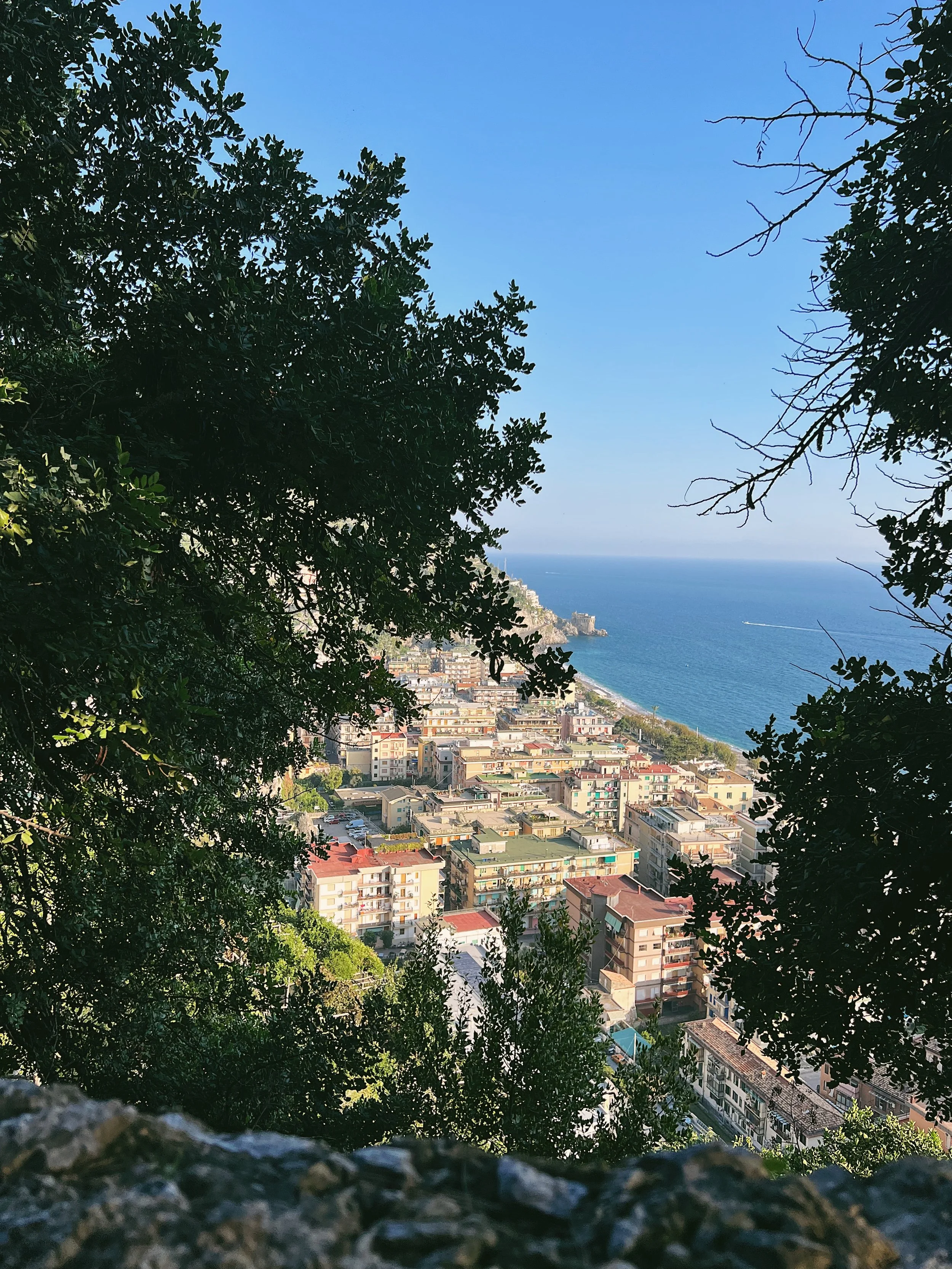
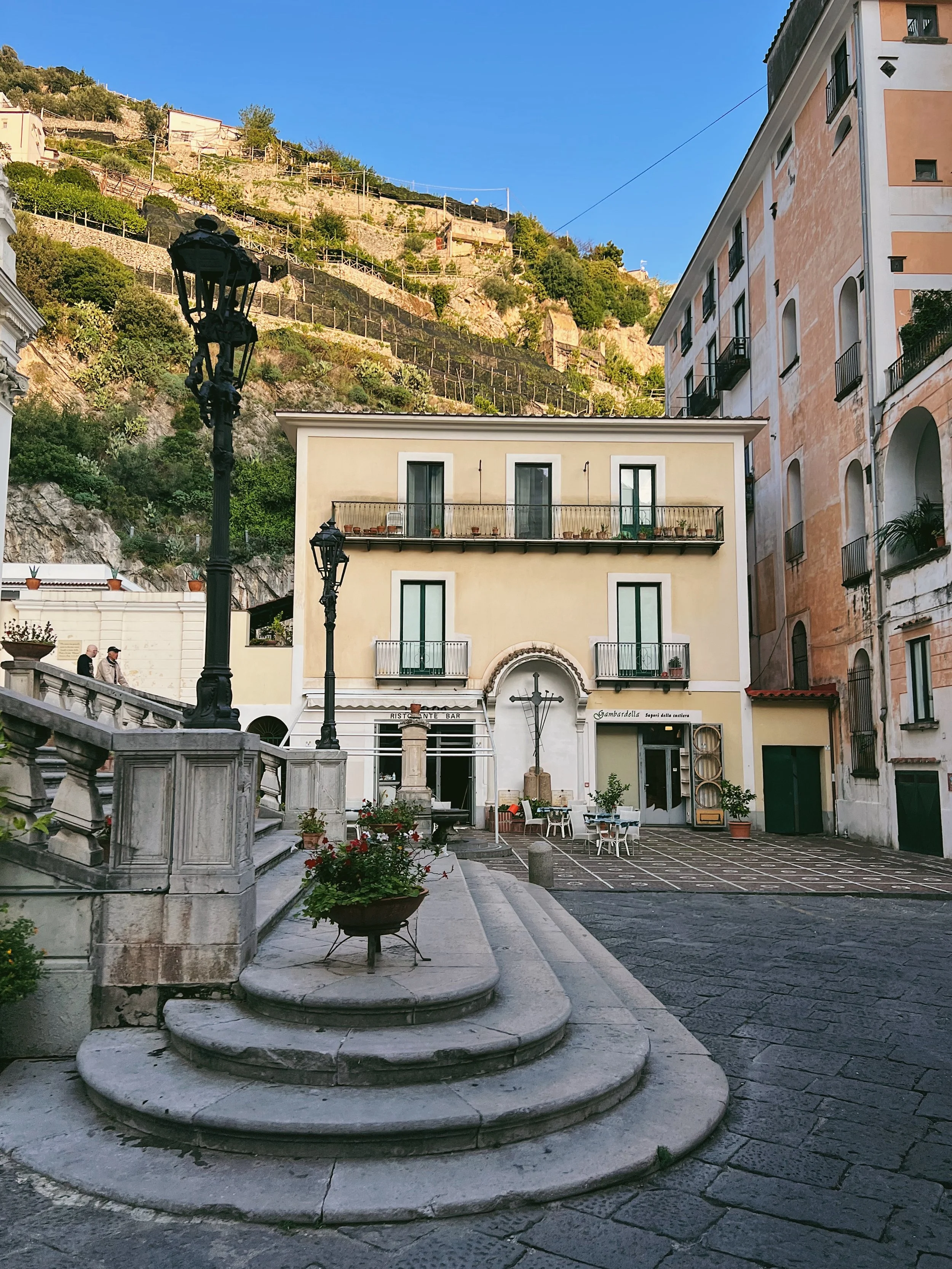
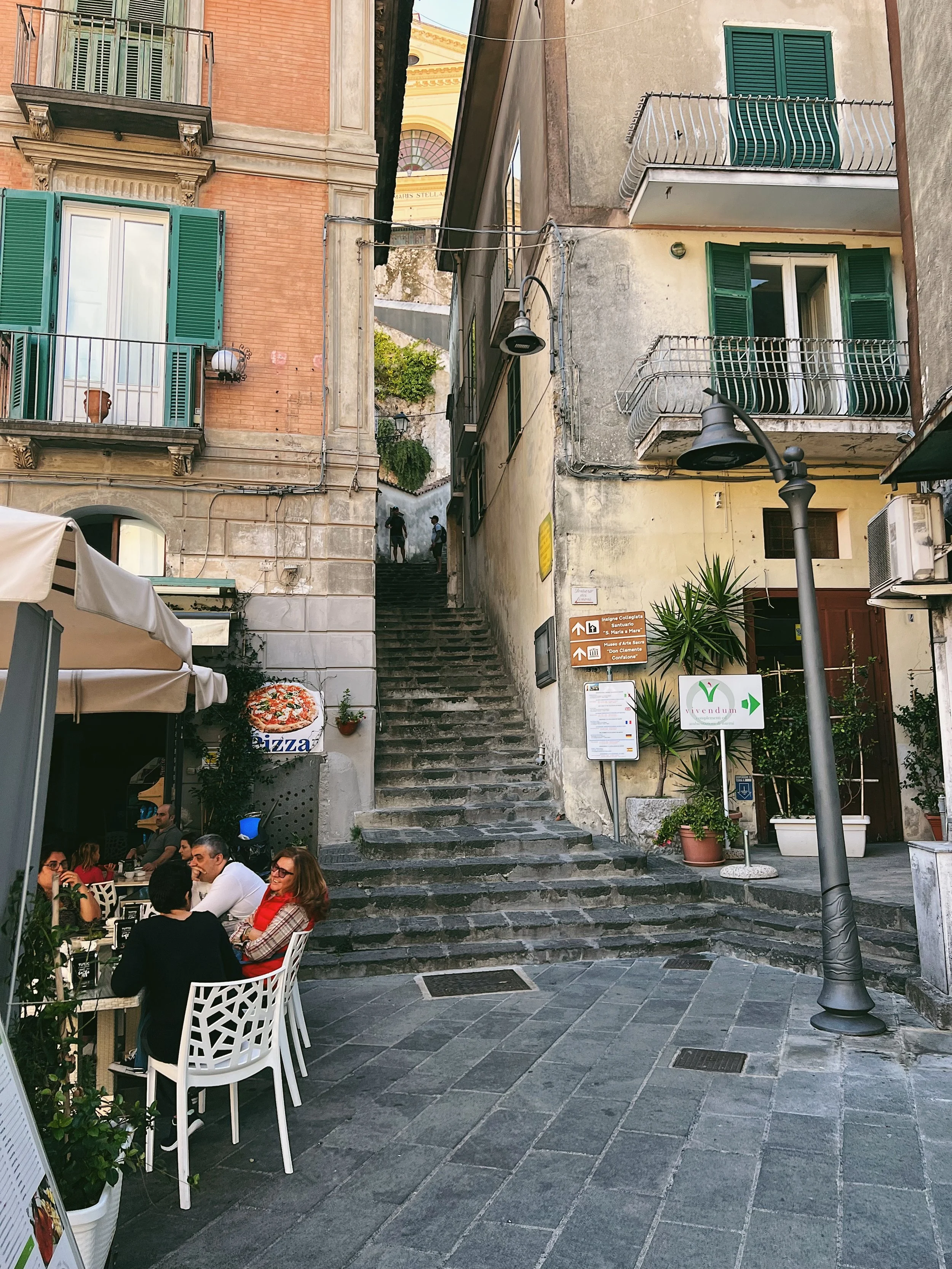
From the Lungomare in Maiori, head uphill on Corso Reginna away from the sea. After a few hundred metres, the road widens to a small piazza on the left, Piazza Raffaele d’Amato, where there are a couple of small shops and an osteria. Tucked in the far corner there is a set of steps leading uphill, Via Scala Santa which is signposted ‘Percorso dei Limoni’. The steps emerge in a shady paved courtyard alongside Santuario Santa Maria a Mare, which is famous for its two colourful majolica tiled domes. If it’s open the church, and its adjoining museum, is well worth a look. For the best view of the domes, keep heading uphill via the steps to Via Vena, a little belvedere with a few benches that looks out over the twin domes of the church, the rooftops of Maiori and the sea beyond.
After a pause here, continue heading uphill with the sea to your left and small houses to your right on the side of the path. Midway up the next set of steps there is a drinking fountain; this is the last opportunity to fill up water bottles until you reach Minori, so if you’re running low, top up here. The steps climb higher and higher, hugging the contour of the cliff with the village of Maiori below. Eventually the path dips behind a stand of trees and then a high wall, which supports the first section of lemon terraces. The lemon trees grow over the path here, and sometimes the fruit hangs over the path (and drops onto the steps below). The PGI Amalfi Coast lemons are unique to the coastline and, at different times of the year, offer the fresh green scent of the leaves, the delicate perfume of the ‘zagare’ blossom or the sweet citrus of the ripe fruit. The contrast between the bright yellow fruit, the lush green leaves and the vivid blue of the sky and sea is quintessentially ‘Amalfi’.
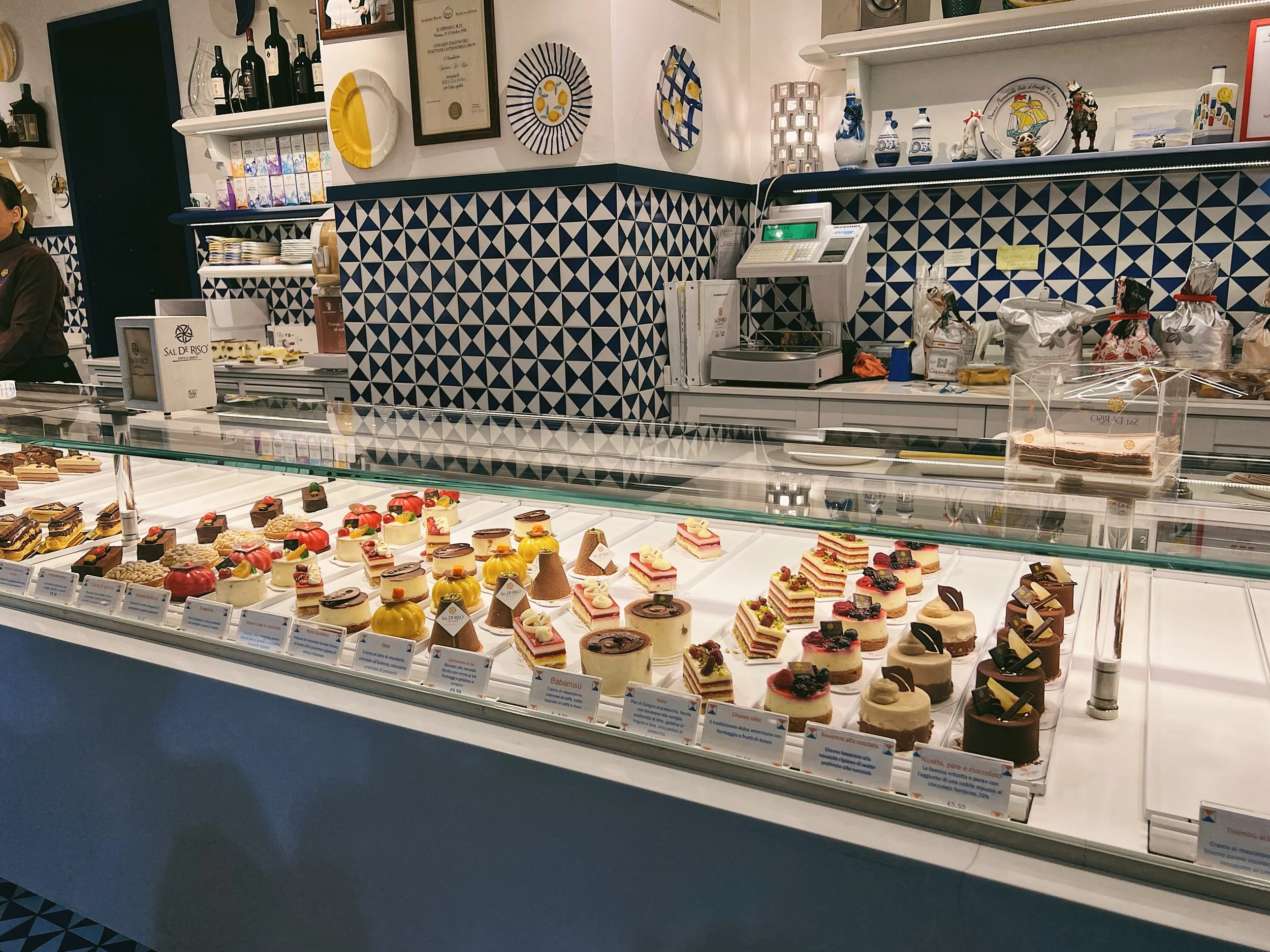
Eventually the stairs flatten to a narrow path with the odd step or couple of steps every 20 metres or so. At the highest point, the track becomes a slightly rougher dirt track and then slopes downhill. There is a house on the left selling lemons and homemade lemonade at the far eastern edge of Minori, before the path becomes a little more ‘urban’ again as it snakes through houses. There are now steps heading down - look out for the colourful donkey tiles to your left; these are my favourite! - and then passes the tiny Chapel of San Michele Arcangelo on the edge of the cliff. As you round the corner, Minori can be seen below you and the path then turns slightly inland to begin its winding descent down into the village. The path emerges in the middle of the village with the rather ugly concrete building housing the library on the left. Turn left and head towards the sea, passing under an arch and emerging next to the rather fancy elevations of the Basilica of Saint Trofimena. Follow the road around to the lungomare; there is a ‘De Riso’ cafe on the left, with the more famous blue-tiled Pasticceria Sal de Riso option about 50 metres along the seafront on the right-hand side. I would recommend walking a little further for the latter.
To return to Maiori, head back along the main road, on the right-hand side, until you return to where you parked the car. Alternatively, you could retrace your steps back along the Sentiero dei Limoni.
Food and drink
Unlike most of the hikes in Campania, this one is different in that it has many, many choices for a pre-, during or post-hike refreshment. The villages of Maiori and Minori have a wide selection of Amalfitana restaurants, bars and lidos, the latter stretched along the seafront offering drinks, snacks and sun loungers during the main summer season. Outside of the main season you’ll be able to get almost anything you need in one of the cafes in the village itself which serve the locals.
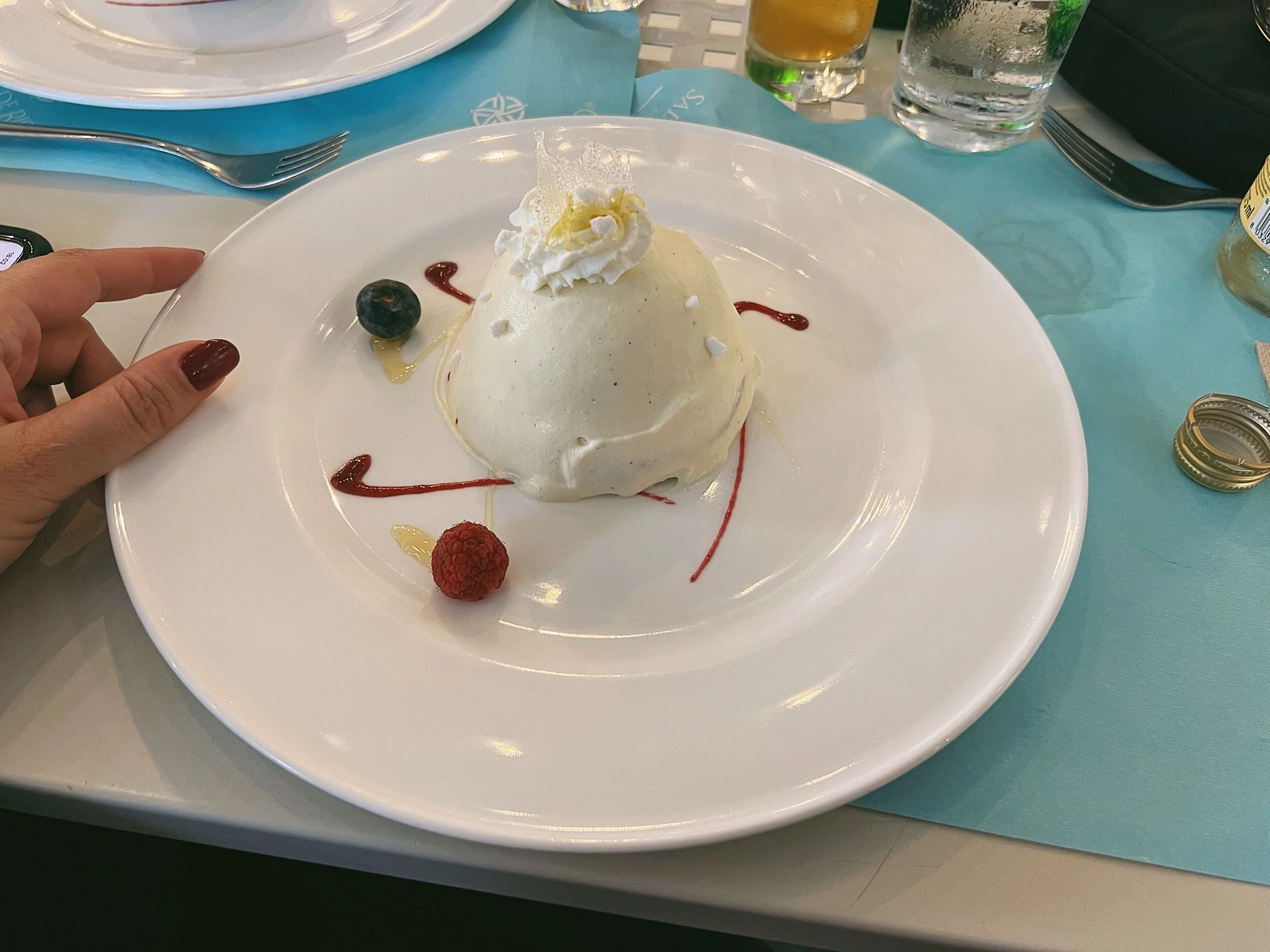
The highlight is the world-famous cafe, Pasticceria Sal de Riso, situated on the lungomare in Minori. The pastry shop has everything from the ubiquitous pizza and fritti to sumptuous cakes and pastries, ice creams and sweets, using locally derived ingredients such as PGI Amalfi Coast lemons, hazelnuts from Giffoni and sweet Annurca apples. The standout option is the lemon ‘Delizia’, a sponge base topped with a custard and finished with a thick cream. I am quite partial to the tiramisu ;-)